
Leaf Blower
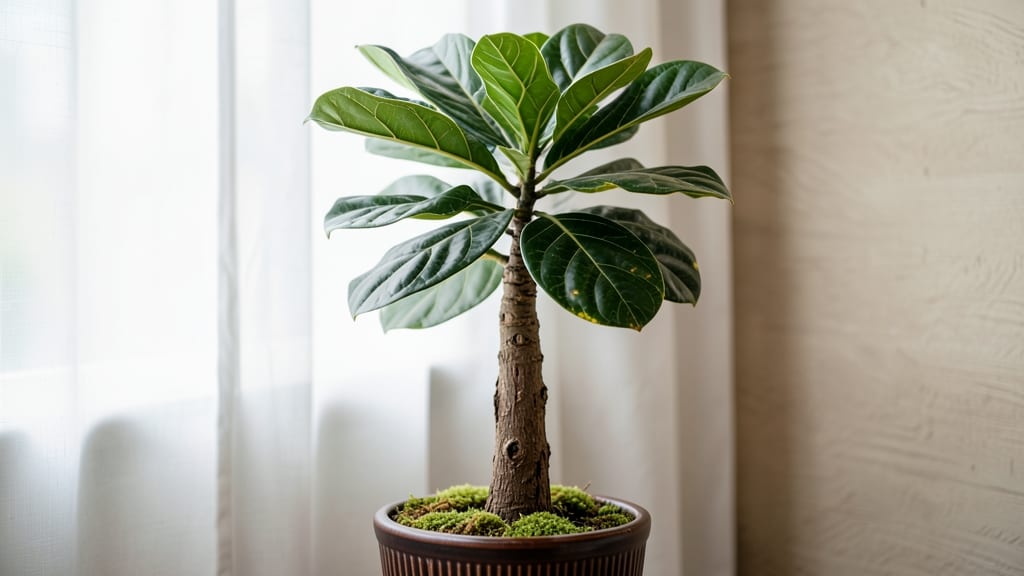
A fiddle leaf fig grows to 6–10 feet tall under ideal conditions, but its height depends on care, light, and patience—so let’s break down what to expect in your home.
If you’ve ever wondered how big your fiddle leaf fig could grow—or whether it’ll soon outgrow your home—you’re not alone. This stunning 🌿 can reach dramatic heights, but its growth depends on care, space, and patience.
In the first year, expect 1–2 feet of growth, while mature plants can tower over 6 feet or more. The key? Bright, indirect light, proper watering, and the right pot size.
Below, I’ll cover the exact height timeline by growth stage, how to control its size, and common mistakes that stunt growth—so you can plan for your plant’s future.


Fiddle leaf fig height by growth stage: what to expect year by year
Your fiddle leaf fig (Ficus lyrata) starts as a compact houseplant but can grow into a statement-making tree with proper care. Understanding its growth stages helps you plan for its future size and adjust care accordingly.
Let’s break down exactly how tall your fiddle leaf fig will grow each year, from seedling to mature specimen.
The height progression varies based on light exposure, pot size, and pruning habits. Indoor plants typically grow slower than outdoor specimens due to limited light and space. Here’s what to expect at each stage, with real-world examples to set your expectations.
Indoor vs. outdoor growth can differ by 30-50% in height. Outdoor fiddle leaf figs in ideal climates (USDA zones 10-12) may reach 10+ feet in 5 years, while indoor plants in bright apartments might only hit 6 feet in the same time. Light intensity is the biggest factor—outdoor plants receive 3x more sunlight than most indoor setups.
| Growth Stage | Height Range | Leaf Size | Key Growth Factors |
|---|---|---|---|
| 0-1 Year (Seedling) | 6-18 inches | 2-4 inches | Slow growth; focus on root establishment |
| 1-3 Years (Juvenile) | 3-6 feet | 4-8 inches | Rapid vertical growth; needs bright light |
| 3-5 Years (Mature) | 6-8 feet | 8-12 inches | Slower growth; leaf size stabilizes |
| 5+ Years (Outdoor) | 10+ feet | 10-14 inches | Full sun accelerates growth; pruning required |
In the first year, your fiddle leaf fig will focus on root development rather than height. You’ll see 6-18 inches of growth if given bright indirect light and proper watering.
The leaves start small (2-4 inches) but develop the iconic violin-shaped pattern. This stage is critical—underwatering or overwatering can stunt growth permanently.
Between years 1-3, your plant enters its fastest growth phase. With ideal care, it can shoot up 3-6 feet, with leaves growing to 4-8 inches.
This is when many owners realize their fiddle leaf fig is outgrowing its space! East or west-facing windows provide the best light for indoor plants during this stage. If you notice small leaves or slow growth, it’s likely a light deficiency.
By years 3-5, growth slows as the plant matures. Heights of 6-8 feet are common indoors, while outdoor specimens may exceed 10 feet. Leaf size stabilizes at 8-12 inches, and the plant develops a thicker trunk.
This is the perfect time to train its shape through pruning or support stakes if needed. Repotting every 2-3 years ensures it has enough root space for continued growth.
Outdoor fiddle leaf figs in warm climates (like Florida or California) can grow aggressively, reaching 10+ feet in 5 years. The leaves become larger and glossier, and the plant develops a thicker canopy.
However, outdoor plants face pest risks (like spider mites) and need protection from frost. If you’re growing yours outside, prune in late winter to control height and shape.
One common misconception is that bigger pots = faster growth. While root-bound plants grow slower, oversized pots can actually stunt growth by encouraging root expansion instead of vertical development.
Aim for a pot that’s 2-3 inches larger in diameter than the current root ball. Well-draining soil with perlite or orchid bark helps maintain healthy growth rates.
To encourage bushier growth and control height, consider selective pruning during the spring growing season. Cutting back 1/3 of the stem just above a leaf node will stimulate new lateral branches.
This technique works best on plants that have reached 3+ feet in height. Always use sterilized pruners to prevent disease spread.
Remember, patience is key with fiddle leaf figs. While they can grow rapidly under ideal conditions, rushing care (like over-fertilizing) can cause more harm than good. Monitor your plant’s growth rate and adjust light, water, and nutrients accordingly.
With the right approach, your fiddle leaf fig will thrive and become a showstopping centerpiece in your home or garden. 🌿
How to control fiddle leaf fig height: pruning and growth hacks
If your fiddle leaf fig is reaching for the ceiling faster than you’d like, don’t panic—pruning is your secret weapon. With the right techniques, you can control its height while encouraging a fuller, bushier shape.
The key is timing, clean cuts, and knowing which pruning method works best for your plant’s current stage.
Most gardeners make the mistake of waiting until their fiddle leaf fig is too tall to prune effectively. The ideal time is during the spring growing season, when your plant is actively producing new leaves. This ensures it recovers quickly and puts energy into regrowth rather than stress recovery.
- 🌱 1-2 ft: Pinch back top growth to encourage branching in young plants (first year).
- 🌿 3-4 ft: Use selective pruning to remove leggy stems while keeping the plant’s natural shape.
- 🌳 5-6 ft+: Apply topping (cutting the main stem) to reset height and stimulate lateral growth.
- ✂️ Tools needed: Sharp pruning shears, rubbing alcohol (to sterilize cuts), and rooting hormone (for propagation).
- 🌱 Propagation tip: Use 4-6 inch cuttings from pruned stems to grow new fiddle leaf figs!
For topping, cut just above a leaf node (where leaves grow) to encourage new branches. Use sterilized shears to prevent disease, and wipe the blade with rubbing alcohol between cuts.
This method works best on mature plants that have outgrown their space—think of it as a growth reset button.
If your fiddle leaf fig is too leggy but not overly tall, try pinching the tips of new growth. This encourages the plant to focus on producing side branches instead of stretching upward. Do this in early spring when you see fresh, vibrant growth emerging from the stem.
Don’t forget to propagate your cuttings! After pruning, place stem cuttings in water or moist soil with rooting hormone. In about 2-4 weeks, you’ll have new fiddle leaf figs ready to pot up. This is a great way to expand your collection or share with fellow plant lovers.
Remember, consistent care is key. After pruning, keep your fiddle leaf fig in bright indirect light and maintain a steady watering schedule (water when the top inch of soil is dry).
With the right pruning techniques, you can keep your plant at your desired height while enjoying its stunning foliage for years to come. 🪴