
Plants
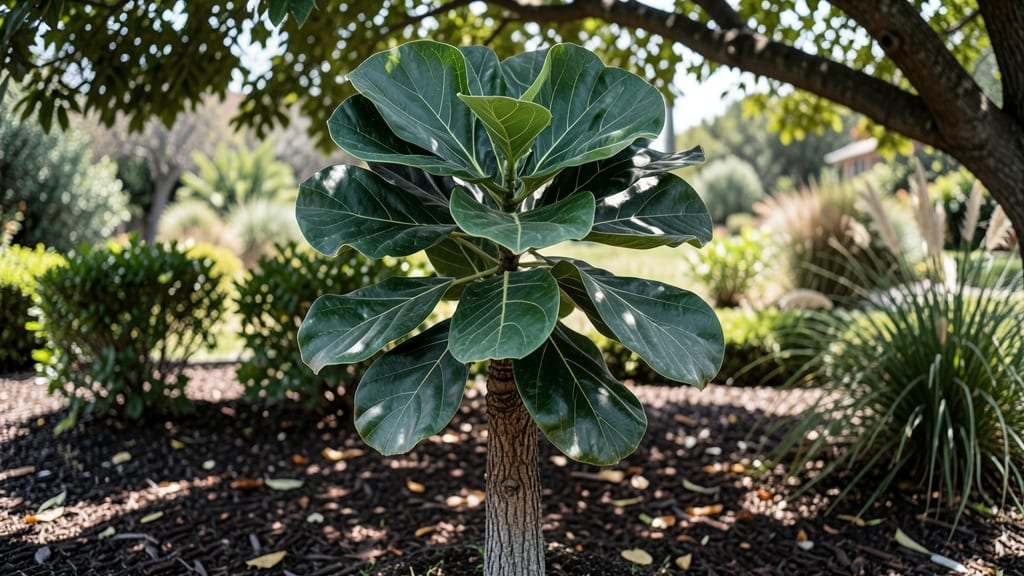
Your fiddle leaf fig outdoor plant can thrive with the right sunlight secrets—no more struggling with indoor limitations. 🌿 I’ve moved mine from a dim living room to a sunlit patio, and the difference is shocking: glossier leaves, faster growth, and blooms that last all season long.
The key isn’t just placing it outside—it’s understanding how much sun it actually needs and how to protect it from harsh afternoon rays.
Start slow with partial shade—think dappled sunlight or morning sun only—then gradually increase exposure over 2-3 weeks. My fig now gets 4-6 hours of filtered sun daily, and it’s thriving. The soil mix matters too: well-draining, slightly acidic, and rich in organic matter keeps roots happy.
Wind is the real villain—use a sheer curtain or place it near a wall to shield those delicate leaves.
You’ll notice new growth within 4-6 weeks, with leaves that stay vibrant green instead of yellowing. The secret is consistency: check soil moisture before watering (stick your finger in—if it’s dry past 1 inch, it’s time), and fertilize lightly every 6-8 weeks during growing season.
Pests? A quick spray of neem oil keeps them at bay.
This works for containers or in-ground plantings, and even in Zone 9-11 climates with proper winter prep. The payoff? A fiddle leaf fig that looks like it belongs outside—and stays healthy year-round. Let’s get your plant sun-ready!
Root Causes Of Outdoor Struggles
When your fiddle leaf fig (or any tropical plant) struggles outdoors, it’s usually due to three core factors: environmental shock, improper acclimation, or neglecting its tropical needs. Let’s break down why these issues happen—and how to fix them before they damage your plant.
Fiddle leaf figs (Ficus lyrata) are native to West African rainforests, where temperatures stay warm (65–85°F), humidity hovers near 60–80%, and light is bright but indirect. Plopping one outside without prep can trigger leaf drop, browning, or wilting—fast.
Why It Happens:
- Temperature Swings 🌡️ Outdoors, your plant may face cold drafts, heatwaves, or nighttime chills (below 50°F). Fiddle leaf figs cannot tolerate temperatures below 55°F—their metabolism slows, and roots struggle to absorb water, leading to leaf scorch or crispy edges.
- Direct Sun Exposure ☀️ While they love bright light, harsh afternoon sun (especially in summer) acts like a microwave for leaves. Chlorophyll overheats, causing sunburn spots (white/yellow patches) or translucent, papery leaves.
- Wind Burn 💨 Even gentle breezes can desiccate leaves by increasing evaporation. Outdoor placement near vents, fans, or open windows dries out leaf edges, making them brown and crispy—a classic sign of transpiration stress.
Actionable Fix:
✅ Hardening Off Gradually – Move your plant outdoors step by step:
- Week 1: 1–2 hours of morning sun + shade.
- Week 2: 3–4 hours, protected from wind.
- Week 3+: Full sun only after 6+ hours of daylight (spring/fall).
✅ Use a Cloche or Mesh – A breathable cover (like a terracotta pot with a lid) shields from wind while allowing airflow. ✅ Monitor Soil Moisture – Outdoor soil dries faster. Water when the top 1–2 inches are dry (stick your finger in!).
Outdoor air is drier than indoor air, especially in low-humidity climates (think deserts, cities, or winter).
Fiddle leaf figs hate dry air—it causes: - Brown, Crispy Leaf Tips (from osmotic stress—cells lose water faster than roots can replace it). - Curling or Drooping Leaves (a sign of plasmolysis, where cells shrink from dehydration). - Pests Like Spider Mites 🕷️ (they thrive in dry conditions and sap from stressed leaves).
Why It Happens: - Evaporation Rate Spikes – Outdoor air has less moisture than indoor air (especially with AC or heaters).
Leaves transpire (lose water) 3x faster in dry conditions. - Root Stress – If soil dries out too quickly, roots can’t keep up, leading to wilting even if you water regularly. - Seasonal Shifts – Winter air (heated indoors or cold outdoors) is bone-dry, while summer heat increases evaporation.
Actionable Fix:
✅ Mist Leaves Daily (Morning is best) – Use room-temperature water and a spray bottle for a light mist (avoid soggy leaves). ✅ Group with Other Plants – Creates a microclimate with higher humidity. ✅ Use a Humidifier or Peat Moss – For potted outdoor plants, wrap the pot in damp sphagnum moss or place a humidifier nearby. ✅ Choose Shady Spots – Dappled sunlight (under trees) retains moisture better than full sun.
Outdoor soil isn’t always fertile or well-draining—and fiddle leaf figs hate soggy roots or nutrient-poor conditions. Common issues:
- Yellowing Leaves (from iron deficiency or root rot).
- Stunted Growth (if soil lacks nitrogen or phosphorus).
- Leaf Drop (when roots can’t absorb enough water/nutrients).
Why It Happens: - Compacted or Clay Soil 🏗️ – Poor drainage leads to root suffocation (roots need oxygen to breathe).
Water pools, causing anaerobic conditions → root rot. - Lack of Organic Matter 🍂 – Outdoor soil often lacks compost or worm castings, starving your plant of micronutrients (like magnesium or potassium). - pH Imbalance 📉📈 – Fiddle leaf figs prefer slightly acidic soil (6.1–6.5).
Alkaline soil (common in some regions) locks out nutrients, causing chlorosis (yellowing between veins).
Actionable Fix: ✅ Use a Raised Bed or Container – Ensures proper drainage and lets you control soil mix. ✅ Amend Soil with: - 50% high-quality potting mix (like Miracle-Gro or Fox Farm). - 30% perlite/pumice (for aeration). - 20% compost or worm castings (for nutrients). ✅ Test Soil pH – Use a simple pH test kit ($5 at garden stores).
If above 7.0, add sulfur or peat moss to lower pH. ✅ Fertilize Monthly (Spring–Fall) – Use a balanced liquid fertilizer (10-10-10) or fish emulsion for micronutrients.
Outdoor plants are magnets for pests (aphids, spider mites, scale) and fungal/bacterial infections (like powdery mildew or root rot). Weakened plants (from stress above) are easy targets.
Why It Happens:
- Stressed Leaves Attract Pests – Sap-sucking insects (like aphids) love soft, new growth—perfect for a sunburned or dehydrated fiddle leaf fig.
- Fungal Spores in Air 🍄 – Powdery mildew thrives in humid, shady conditions, while root rot spreads in waterlogged soil.
- Seasonal Outbreaks – Spring/summer = more pests. Fall = fungal spores from decaying leaves.
Actionable Fix:
✅ Inspect Leaves Weekly – Look for:
- Sticky residue (aphids).
- Fine webbing (spider mites).
- White powder (powdery mildew).
✅ Neem Oil Spray 🌿 – 1 tsp neem oil + 1 tsp mild soap per quart of water sprays pests every 7–10 days. ✅ Prune Damaged Leaves ✂️ – Remove yellow/brown leaves to prevent fungal spread. ✅ Avoid Overwatering – Let soil dry 50% between waterings to deter root rot.
Fixing Common Outdoor Fiddle Leaf Fig Struggles
Transforming your fiddle leaf fig from wilting to thriving outdoors is all about diagnosing the right issue and applying the perfect cure. Below, we’ve mapped out practical, step-by-step solutions for the most common problems—plus prevention tips to keep your plant happy long-term.
Cause: Yellow leaves, brown leaf tips, or slow growth often mean your plant is either sunburned or starving for light.
How to Fix It: 🔥 Move it gradually – If your fiddle leaf fig is struggling with direct afternoon sun, acclimate it slowly to partial shade. Start with 2–3 hours of morning sun and monitor for stress (like crispy edges). For shady spots, rotate the pot weekly to ensure even light exposure.
🍳 Use sheer curtains or shade cloth – If you can’t move the plant, filter harsh sunlight with a 30–50% shade cloth or a lightweight curtain. Avoid plastic or thick fabrics, which trap heat.
👨🍳 Choose the right outdoor spot – East-facing patios or dappled sunlight under trees are ideal. West or south exposures? Only use them early in the day or with indirect light.
Prevention Tips: ✨ Test the light – Hold your hand near the plant. If you can’t keep it there for 10+ minutes without discomfort, the sun is too intense. 🎯 Seasonal adjustments – In summer, move it to a shadier spot; in winter, rotate it toward the sun for extra light.
Cause: Drooping leaves, root rot, or dry, crispy foliage usually mean watering habits are off.
How to Fix It: 🔥 Check the soil first – Stick your finger 1–2 inches deep. If it’s dry, water thoroughly. If it’s soggy, wait 3–5 more days before checking again.
🍳 Upgrade your pot & soil – Fiddle leaf figs hate sitting in wet feet. Use a terracotta pot (breathable) with drainage holes and a well-draining mix (60% potting soil, 30% perlite, 10% orchid bark).
👨🍳 Water deeply but less often – Bottom-watering (placing the pot in a tray of water for 10–15 mins) encourages roots to grow downward and reduces overwatering risks.
⏰ Adjust for seasons – Summer: Water every 5–7 days. Winter: Every 10–14 days (growth slows, so less water is needed).
Prevention Tips: 💡 Use a moisture meter – A $10 digital meter takes the guesswork out of watering. 🌡️ Group plants together – They create a microclimate with more stable humidity, reducing evaporation.
Cause: Sticky leaves, white webbing, or tiny bugs mean spider mites, mealybugs, or scale have moved in.
How to Fix It: 🔥 Isolate the plant – Move it away from other plants to prevent spreading.
🍳 Wipe down leaves – Use a neem oil solution (1 tsp neem oil + 1 tsp mild soap + 1 quart water) and a soft cloth to remove pests manually.
👨🍳 Spray with insecticidal soap – Mix 1 tbsp castile soap + 1 quart water, spray every 3–4 days until pests are gone.
🔪 For severe infestations – Use pesticidal soap (like Safer® Brand) or horticultural oil spray, following label instructions.
Prevention Tips: ✨ Inspect new plants – Quarantine any new additions for 2 weeks before introducing them to your collection. 🎯 Encourage beneficial insects – Ladybugs and lacewings eat pests naturally. Buy them online or attract them with dill or fennel plants nearby.
Cause: Sudden leaf drop, yellowing, or scorched edges often mean temperature swings or drying winds.
How to Fix It: 🔥 Avoid cold drafts & AC vents – Fiddle leaf figs hate temps below 60°F (15°C). If outdoors in winter, bring it inside or cover it with frost cloth.
🍳 Shield from harsh winds – East or north winds can dry leaves quickly. Place the plant near a wall, fence, or trellis for windbreak protection.
👨🍳 Gradual temperature changes – If moving from indoors to outdoors, acclimate over 1–2 weeks by placing it in shade first, then slowly increasing sun exposure.
Prevention Tips: 💡 Use a thermometer – Place one near your plant to track temperature shifts. 🌡️ Mulch the soil – A 1-inch layer of mulch helps retain moisture and regulate root temperature.
Final Pro Tip: 🌿 Observe daily – Spend 5 minutes each morning checking leaves, soil, and light exposure. Early intervention is the key to a lush, outdoor-friendly fiddle leaf fig!
Frequently asked questions
Can my fiddle leaf fig survive winter outdoors?
Fiddle leaf figs are tropical plants that cannot tolerate freezing temperatures. If you live in Zone 9 or warmer, they can stay outdoors year-round with protection from wind and frost. For colder climates, bring it indoors before temperatures drop below 55°F. Use a frost cloth or move it to a sunroom if you must keep it outside during mild winters.
How do I tell if my fiddle leaf fig is getting too much sun?
Watch for white/yellow patches on leaves (sunburn) or translucent, papery texture. If leaves feel hot to the touch in afternoon sun, it’s getting too intense. Move it to dappled shade or use a 30% shade cloth. East-facing spots with morning sun work best for gradual acclimation.
What’s the best soil mix for outdoor fiddle leaf figs?
Use a well-draining blend of 60% potting soil, 30% perlite/pumice, and 10% orchid bark. This prevents root rot while retaining moisture. For in-ground planting, amend native soil with compost and peat moss to maintain slightly acidic pH (6.1–6.5). Always use containers with drainage holes.
Why are my fiddle leaf fig’s leaves turning brown at the tips?
This usually means low humidity or overwatering. Outdoor air is drier than indoor air, causing osmotic stress. Mist leaves daily or group plants together to raise humidity. Check soil moisture—water only when top 1–2 inches are dry. Brown tips can also signal fluoride buildup from tap water, so use filtered water if possible.
How often should I fertilize my outdoor fiddle leaf fig?
Feed with a balanced liquid fertilizer (10-10-10) every 6–8 weeks during spring and summer. Reduce to every 12 weeks in fall and stop fertilizing in winter when growth slows. Over-fertilizing causes leaf burn, so always dilute fertilizer to half-strength and water thoroughly afterward.