
Pests
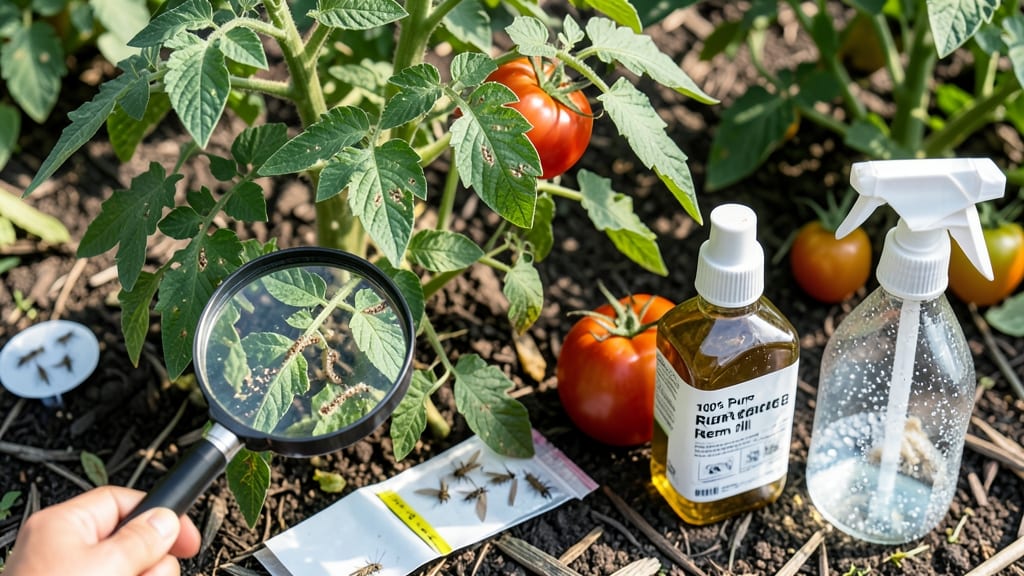
Leafminers turn your basil and tomato leaves into zigzagging green highways. 🌱 I’ve battled these tiny pests for years, and neem oil isn’t just another spray—it’s the 48-hour game-changer that stops them in their tracks. The key? Timing, concentration, and knowing which plants need extra protection.
Most gardeners wait too long, watching leaves curl and yellow before acting. But leafminers start small—tiny white maggots tunneling through foliage—and neem oil works best when you catch them early.
A 1% neem oil solution (mix 1 tablespoon per quart of water) disrupts their life cycle faster than soap sprays or horticultural oils. Just spray undersides of leaves where they hide, and repeat every 5-7 days until new growth appears.
By day three, you’ll see fewer new mines appearing, and by day five, the existing ones will start to dry out. The plants won’t look perfect overnight, but the damage stops dead in its tracks.
For severe infestations, add a light horticultural oil for extra smothering power—just don’t mix it with neem on the same day. This works for tomatoes, beans, peppers, and herbs, but always test a small leaf first. The secret? Consistency.
Leafminers return if you skip treatments, so mark your calendar and keep spraying until you’ve seen two full leaf cycles without new tunnels.
The Hidden Triggers Behind Leafminers
Leafminers may seem like a mysterious nuisance, but their presence is often tied to a mix of environmental factors, plant health, and even human habits. Understanding these causes is the first step to preventing—and eliminating—them. Let’s break down the key reasons why these tiny pests invade your garden.
Leafminers thrive when plants are stressed or compromised. A healthy plant’s natural defenses—like tougher leaves, strong bark, and chemical deterrents—can repel or deter pests. But when plants are weakened, they become easy targets.
- Nutrient Deficiencies: Plants lacking essential nutrients (like nitrogen, phosphorus, or potassium) grow slowly and produce softer, more vulnerable leaves. Leafminers detect these weak spots and lay eggs on them. - Overwatering or Underwatering: Both extremes stress plants.
Overwatering leads to root rot and poor oxygen uptake, while underwatering causes drought stress. In both cases, the plant’s immune response weakens. - Poor Soil Health: Compacted, nutrient-poor, or overly acidic soil limits a plant’s ability to absorb water and nutrients.
This stress makes it easier for leafminers to infest.
Pro Tip: 💡 Conduct a soil test to check pH and nutrient levels. Amend soil with compost or organic matter to boost plant resilience.
Leafminers are highly sensitive to temperature and humidity. When conditions align just right, their populations explode.
- Warm Temperatures: Leafminers prefer mild to warm climates (between 60–85°F). In these conditions, their larvae develop rapidly, completing multiple generations in a single season. - High Humidity: Moist environments help larvae survive and thrive.
Overhead watering (especially late in the day) can create the perfect breeding ground by keeping leaves damp. - Shaded or Crowded Plants: Leafminers often target plants in shaded areas or dense foliage, where airflow is poor.
Stagnant air traps moisture and makes it easier for eggs to hatch and larvae to feed undetected.
Pro Tip: 🌡️ Monitor your garden’s microclimates. Prune plants for better airflow and avoid overhead watering in the evening to reduce humidity.
Leafminers don’t appear out of nowhere—they’re often the result of previous infestations or overlooked natural cycles.
- Larval Overwintering: Many leafminer species survive winter as pupae in soil or plant debris. If these pupae aren’t removed, they emerge in spring as adults, ready to lay eggs. - Lack of Natural Predators: Birds, parasitic wasps, and beneficial nematodes naturally control leafminer populations.
If these predators are absent (due to pesticide use or habitat loss), leafminers multiply unchecked. - Cross-Contamination: Infested plants can spread leafminers via wind, water, or even garden tools. Moving infected leaves or soil from one area to another can introduce new colonies.
Pro Tip: ✨ Introduce beneficial insects like lacewings or ladybugs to your garden. They’re natural leafminer predators and can help keep populations in check.
Some plants are more attractive to leafminers than others, and certain gardening habits can inadvertently invite them.
- Susceptible Host Plants: Leafminers favor certain plants, including: - Vegetables: Basil, beans, beets, brassicas (cabbage, broccoli), carrots, celery, cucumbers, eggplant, lettuce, parsley, peppers, and tomatoes. - Herbs: Dill, fennel, and parsley. - Ornamentals: Roses, viburnum, and lilac. - Poor Sanitation: Leaving fallen leaves, mulch, or plant debris in the garden provides shelter for leafminer pupae.
These pests can emerge from old plant material months later. - Over-Fertilization with Nitrogen: While nitrogen promotes leafy growth, excessive amounts can make plants more attractive to leafminers by creating tender, nutrient-rich foliage.
Pro Tip: 🎯 Choose resistant plant varieties when possible (e.g., some tomato cultivars are less appealing to leafminers). Always clean up garden debris in fall to remove overwintering pupae.
Quick Fixes for Leafminer Infestations
Leafminers may sound like a stubborn foe, but with the right approach, you can banish them fast and protect your plants. Below are practical, science-backed solutions tailored to the root causes—whether it’s early detection, organic control, or last-resort measures.
Each method is designed to be easy to implement, even for busy gardeners.
If you catch leafminers early, you can nip the problem in the bud without heavy-duty chemicals.
🔍 Spot and Squash: Manual Removal
- How it works: Leafminers are tiny (1/8-inch long), but their serpentine tunnels in leaves are easy to see.
Simply pick off infested leaves and drop them into soapy water to kill the larvae. - When to do it: Best in early spring or summer when infestations are small. - Pro tip: 💡 Wear gloves—some plants (like citrus) can irritate skin, and leafminers may bite if squished! - Prevention: Regularly inspect new growth and undersides of leaves—leafminers love young, tender foliage.
💦 Water Blast Attack - How it works: Leafminers are weak swimmers.
A strong stream of water (from a hose or spray nozzle) can dislodge larvae and eggs before they hatch. - When to do it: Morning or evening (avoid midday heat, which can stress plants). - Pro tip: 🌡️ Use lukewarm water—cold water can shock plants, while warm water helps kill eggs on contact.
If the infestation is spreading, neem oil, insecticidal soap, and beneficial predators are your best friends.
🌿 Neem Oil Spray: The 48-Hour Wonder
- How it works: Neem oil disrupts leafminer feeding and reproduction by coating their bodies and blocking hormones.
It’s non-toxic to pets and humans when used correctly. - Recipe: - Mix 1 tbsp neem oil + 1 tsp mild liquid soap (as an emulsifier) + 1 quart water. - Spray thoroughly on both sides of leaves, especially where tunnels appear. - Reapply every 5–7 days until no new damage is seen. - When to apply: Early morning or late evening (avoids burning plants in direct sun). - Pro tip: ✨ Shake well before each use—neem oil separates from water!
🐞 Introduce Natural Predators
- How it works: **Parasitic wasps (like Diglyphus isaea or Chrysocharis parksi) lay eggs inside leafminer larvae, killing them from within. Ladybugs and lacewings also feast on them.
- Where to get them:
- Buy from
- Release them at dusk when they’re most active.
🧼 Insecticidal Soap: Fast Knockdown
- How it works: A mild soap solution (like Safer® Brand Insect Killing Soap) smothers leafminers by breaking down their waxy outer layer.
- Recipe:
- Mix
- Spray directly on infested areas (avoid spraying flowers to protect pollinators).
If organic methods fail, pyrethrin-based sprays (derived from chrysanthemums) can provide quick knockdown. However, they kill beneficial insects too, so use them only as a last option.
- How to use:
- Follow label instructions for
- Reapply every 7–10 days for severe infestations.
Once you’ve eliminated the current infestation, take these steps to prevent future attacks:
- 🌱 Keep plants healthy: Leafminers target stressed or nutrient-deficient plants. Fertilize regularly and water deeply (but avoid overwatering).
- 🍂 Clean up debris: Remove fallen leaves and pruned branches—they harbor leafminer eggs.
- 🌿 Use row covers: For newly planted seedlings, cover them with fine mesh netting to block adult flies.
- 🌿 Practice crop rotation: If you grow susceptible plants (like basil, beans, or citrus) year after year, rotate their location to break the leafminer life cycle.
- 🌿 Plant resistant varieties: Some herbs (like thyme or oregano) and vegetables (like collard greens) are less appealing to leafminers.
Final Thought: With early action + organic controls, you can eliminate leafminers in under a week—no harsh chemicals needed! 🚀 Start with neem oil + manual removal, then bring in the predator wasps** for long-term protection. Your plants (and your sanity) will thank you!
Frequently asked questions
Can I use neem oil on edible plants like basil or tomatoes?
Yes, neem oil is safe for edible plants when used correctly! Just wait 24 hours after spraying before harvesting leaves or fruit. The oil leaves no harmful residue, but always follow the 1 tbsp per quart water ratio with a mild soap emulsifier. For basil, focus on undersides of leaves where leafminers hide.
How do I know if my plants have leafminers or just normal leaf damage?
Leafminers create distinctive serpentine tunnels between leaf veins that look like tiny green highways. Check undersides of leaves for tiny white maggots or tiny black dots (their frass). Unlike regular damage, these tunnels stay crispy and don't fall out when you touch them.
Will leafminers kill my plants if I don't treat them?
While they won't kill mature plants, severe infestations can stunt growth and reduce yields by 50% or more in vegetables like beans and peppers. Young seedlings are most vulnerable—leafminers can completely defoliate them. The key is early intervention before tunnels spread to more than 20% of leaves.
Can I reuse neem oil spray after it sits overnight?
No, you should always make fresh neem oil spray each time. The oil separates from water and loses effectiveness after 24 hours. Plus, any soap residue can harm plants if reused. Mix fresh batches every 5-7 days for best results against leafminers.
What's the best time of day to apply neem oil?
Apply neem oil early morning or late evening when temperatures are below 85°F. This prevents leaf burn from UV exposure. Avoid spraying when bees are active (early morning is safest). The oil needs 6-8 hours of dry time to work effectively.