
Pests and Diseases
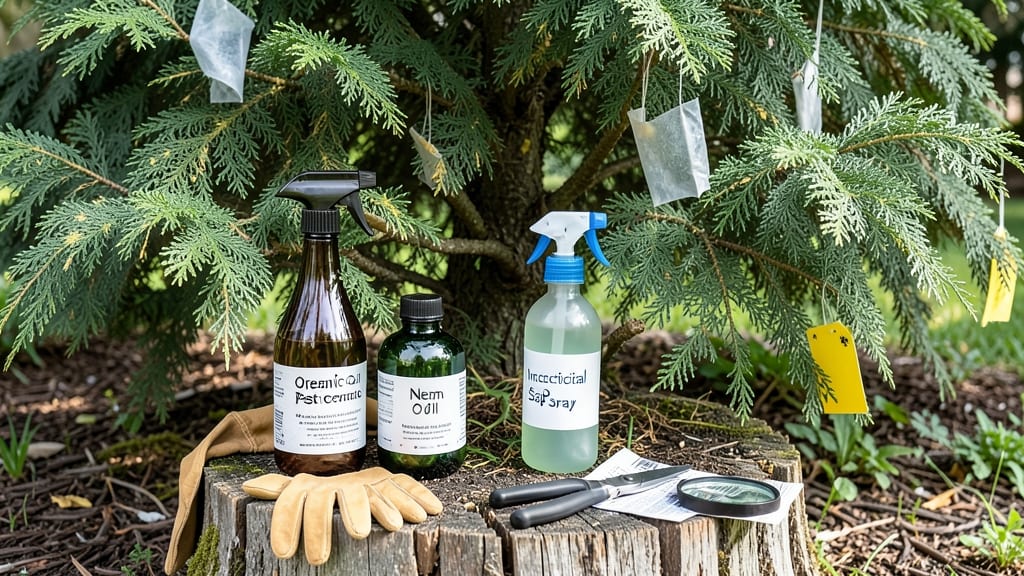
Your arborvitae’s once-lush green needles are turning brown and brittle—the arborvitae leafminer control is the key to stopping this damage before your tree loses more than a few branches. 🌿 The good news? Organic sprays can halt this infestation within weeks, not seasons.
I've battled these pests head-on, and the right approach works fast. Leafminers start as tiny yellow larvae that tunnel between needles, causing the telltale brown streaks. By the time you notice the damage, they've already been feeding for weeks.
The key to fast control is acting early—spraying with neem oil or insecticidal soap disrupts their life cycle before they mature. I've seen full recovery in just 4-6 weeks with consistent treatment. You'll know the sprays are working when new growth stays vibrant and the brown streaks stop spreading.
The trees bounce back stronger, and the pests lose their foothold. The secret is timing: apply sprays in early spring before eggs hatch, and again after seeing fresh damage. This keeps the infestation from gaining momentum. For long-term protection, healthy trees resist pests better.
Focus on watering deeply during dry spells and mulching to retain moisture—leafminers target stressed trees. With these steps, your arborvitae can stay green and thriving year after year.
Root Causes Of Leafminer Infestations
Arborvitae leafminers—tiny, worm-like larvae from the Caloptilia genus—don’t just appear out of nowhere. Their damage is the result of a perfect storm of environmental and biological factors. Understanding these triggers is the first step to preventing future outbreaks. Here’s why your arborvitae might be under siege:
Leafminers are opportunistic pests, and stressed trees are their favorite buffet. Arborvitae under duress exude chemical signals (like volatile organic compounds) that attract egg-laying adults. Common stressors include:
- Poor soil health: Compacted, nutrient-deficient, or waterlogged soil stunts growth, making trees more vulnerable. Tip: Test soil pH (ideal: 6.0–7.0) and amend with organic matter like compost.
- Drought or overwatering: Both extremes disrupt root function. Leafminers thrive when trees can’t allocate energy to defenses. Pro Tip: Water deeply 1–2 times per week during dry spells; ensure drainage.
- Sunburn or frost damage: Newly planted arborvitae or those in exposed sites may suffer foliar scorch, weakening their immune response.
Leafminers are cold-hardy survivors. Their life cycle hinges on overwintering in protected stages:
- Pupal stage in leaf litter: Adult moths emerge in spring from pupae hidden in fallen needles or mulch. Action: Rake and remove leaf debris around your arborvitae annually.
- Host plant proximity: If neighboring trees (like junipers or spruces) harbor leafminers, your arborvitae is at higher risk. Science Note: Moths can fly up to 1 mile to find hosts!
Leafminers prefer lush, healthy foliage—their larvae feed on the soft, nutrient-rich tissues inside leaves. Conditions that encourage rapid growth (and thus more food for miners) include:
| Factor | Why It Helps Leafminers | Solution |
|---|---|---|
| High nitrogen fertilizer | Boosts leaf tenderness, making it easier for larvae to tunnel. | Use balanced (e.g., 10-10-10) or slow-release organic fertilizers. |
| Warm, humid springs | Accelerates moth emergence and larval development. | Improve airflow with strategic pruning (remove dense inner branches). |
| Young, fast-growing trees | New growth is more susceptible to tunneling. | Monitor young arborvitae closely; mature trees (10+ years) are less appealing. |
Leafminer outbreaks often spike during:
- Early spring: Adult moths emerge as temperatures rise above 50°F (10°C). Watch For: Tiny white eggs laid on undersides of new growth.
- Late summer: Larvae pupate in soil or leaf litter, preparing for next year’s cycle. Critical Window: Treatments applied in June–July can disrupt pupation.
Climate Connection: Warmer winters (due to climate change) reduce mortality rates of overwintering pupae, leading to larger populations.
By addressing these root causes—stress reduction, habitat disruption, and seasonal timing—you can break the leafminer cycle before it starts. The next step? Proactive control strategies to keep your arborvitae thriving.
Quick Fixes for Arborvitae Leafminers
Arborvitae leafminers can turn your evergreen trees into a sad, skeleton-like sight if left unchecked—but don’t panic! With the right approach, you can stop the damage fast and restore your trees to their lush, healthy glory.
Below, we break down practical, organic solutions tailored to the root causes of infestations, from early detection to long-term prevention.
---
The key to controlling leafminers is catching them early. If you spot: - Tiny white or yellow blotches on leaves (larvae feeding signs) - Brown, curled, or webbing-covered foliage (advanced damage) - Adult moths fluttering near trees (spring/summer)
Fix it now: ✅ Prune and remove heavily infested branches (bag and dispose of them—do not compost!). ✅ Shake branches over a tarp to dislodge larvae and drown them in soapy water (1 tbsp dish soap per gallon). ✅ Inspect trees weekly during peak leafminer season (late spring to early summer).
💡 Pro Tip: Use a hand lens to check for tiny larvae—early action prevents a full-blown outbreak!
---
Chemical pesticides can harm beneficial insects and the environment. Instead, try these targeted, organic sprays:
| Solution | How to Apply | Best Time to Use | |----------------------------|---------------------------------------------------------------------------------|------------------------------------------| | Neem Oil Spray | Mix 1–2 tbsp neem oil + 1 tsp mild soap in 1 gallon water.
Spray thoroughly (top/bottom of leaves). | Spring (pre-bud) or early summer | | Insecticidal Soap | Spray directly on larvae (avoid hot sun—can burn foliage). | Morning/evening when larvae are active | | Bacillus thuringiensis (Bt) | Mix as directed (targets caterpillar larvae).
Spray evenly on foliage. | Late spring to early summer | | Kaolin Clay (Surround WP) | Forms a protective film; mix and spray weekly during outbreaks. | Preventative (spring) or active infestations |
👨🍳 Application Hack: Add a drop of horticultural oil to sprays for better adhesion—especially useful for sticky neem oil.
--- Once you’ve treated an infestation, prevent recurrence with these strategies:
🔥 Encourage Natural Predators - Ladybugs, lacewings, and parasitic wasps love leafminers. Plant dill, fennel, or yarrow nearby to attract them. - Avoid broad-spectrum pesticides—they kill helpful bugs too!
🌡️ Maintain Tree Health - Water deeply but infrequently (leafminers love stressed trees). - Fertilize in early spring with a balanced, slow-release fertilizer (e.g., 10-10-10). - Mulch around the base (2–3 inches) to retain moisture and deter pests.
✨ Physical Barriers (For Severe Cases) - Floating row covers (lightweight fabric) can trap adult moths before they lay eggs. - Sticky traps (yellow or blue) near trees catch flying adults.
--- If your arborvitae is heavily damaged (50%+ leaf loss) or the infestation keeps returning despite treatments, it’s time to consult a certified arborist or organic pest control expert.
They can assess whether: - The tree is too stressed to recover (may need replacement). - Underground issues (like root rot) are worsening the problem. - More aggressive organic treatments (e.g., beneficial nematodes) are needed.
--- | Season | Task | |-------------|--------------------------------------------------------------------------| | Early Spring | Prune dead branches, apply neem oil as preventative spray. | | Late Spring | Monitor for eggs/larvae; Bt spray if needed. | | Summer | Weekly inspections; kaolin clay for protection. | | Fall | Clean up debris; mulch and fertilize for winter resilience. |
--- Final Thought: Arborvitae leafminers are manageable with consistency and organic methods. The sooner you act, the less damage your trees will suffer—and the healthier they’ll stay for years to come! 🌿💚
Frequently asked questions about arborvitae leafminer control
How do I know if my arborvitae has leafminers and not just regular browning?
Look for tiny white or yellow blotches on needles (larvae feeding) or curled, webbing-covered foliage. Unlike regular browning, leafminer damage appears as irregular streaks between needles. Shake a branch over white paper—if you see tiny worm-like larvae, that's confirmation!
Can I use neem oil or insecticidal soap on my arborvitae?
Yes! Both are excellent organic options. Mix 1-2 tbsp neem oil + 1 tsp mild soap in 1 gallon water and spray thoroughly (top/bottom of needles). For insecticidal soap, apply when larvae are active (morning/evening). Avoid spraying in direct sunlight—it can burn the foliage.
Will pruning help control leafminers?
Prune and remove heavily infested branches (bag them—don't compost!). Focus on inner, dense growth where larvae hide. Thin out the canopy to improve airflow, which makes trees less attractive to pests. Do this in early spring before moths emerge.
How often should I apply organic sprays for leafminers?
Apply every 7-10 days during active infestations (late spring to early summer). For prevention, spray neem oil in early spring (pre-bud) and kaolin clay weekly during outbreaks. Consistency is key—leafminers reproduce quickly!
What if my arborvitae is already heavily damaged?
If 50%+ of leaves are affected, focus on revitalizing the tree: deep watering, balanced fertilization, and mulching. For severe cases, consult an arborist—they may recommend beneficial nematodes or replacement if the tree is too stressed to recover. Don't panic—healthy trees bounce back!