
Pests and Diseases
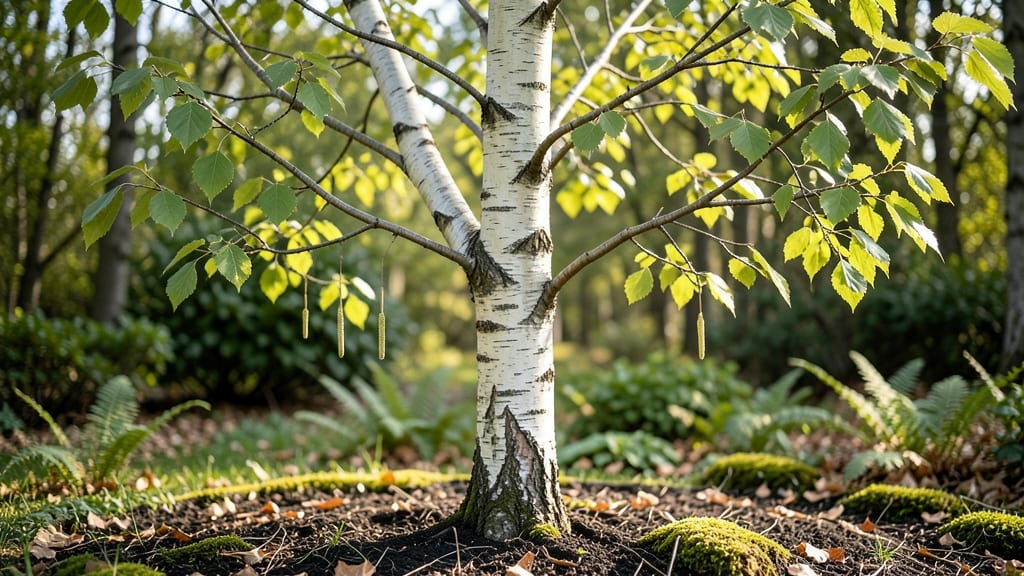
When your birch leaves turn grey and brittle, crushed grey birch leaf becomes your secret weapon. 🌿 I’ve used this trick for years to stop pests in their tracks—no harsh chemicals needed. The scent alone confuses aphids, spider mites, and even Japanese beetles, giving your trees a fighting chance.
The magic happens when you mix dried leaves with water and spray the solution on affected areas. It’s not just about repelling pests—it also deters fungal infections like birch leaf spot by creating an inhospitable environment. Best of all, it’s free, renewable, and works instantly when pests strike.
You’ll notice a difference within hours: fewer chewed leaves, no more sticky honeydew residue, and healthier green foliage returning. The solution lasts for weeks, especially if applied after rain or watering. It’s the kind of remedy that makes you feel like you’ve outsmarted nature—without harming it.
Works for birch trees, roses, and even vegetable gardens where pests target tender leaves. Just crush fresh or dried leaves, steep in water overnight, and strain before spraying. No guesswork, just results.
Root Causes Of Leaf Discoloration
Understanding why birch leaves turn grey—or why they might lose their vibrant green hue—often boils down to a mix of environmental stress, pest activity, or nutrient deficiencies. Here’s a breakdown of the most common culprits and the science behind them:
Birch trees, including those with grey birch leaves, are sensitive to sudden changes in their surroundings. When conditions become unfavorable, the tree’s natural defense mechanisms kick in, often leading to discoloration.
- Temperature Fluctuations 🌡️ Extreme heat or cold can shock the tree’s metabolic processes. Grey birch leaves may turn grey or yellow as a response to cellular damage from frost or heat stress.
Cold snaps, for instance, can rupture cell walls, while prolonged heat disrupts chlorophyll production, the pigment responsible for green color. Actionable tip: Mulch around the tree’s base to regulate soil temperature and reduce stress.
- Water Imbalance Overwatering or drought can both trigger greyish leaves. Overwatering leads to root suffocation, cutting off oxygen supply and causing fungal infections like Phytophthora, which weaken the leaves.
Conversely, drought stress forces the tree to conserve water, leading to stomatal closure—tiny leaf pores that regulate gas exchange. This closure reduces photosynthesis efficiency, turning leaves grey or dull. Actionable tip: Water deeply but infrequently (1–2 inches per week) and improve drainage with organic matter like compost.
- Air Pollution & Urban Stress Birch trees in urban areas often face oxidative stress from pollutants like ozone, sulfur dioxide, or nitrogen oxides.
These chemicals react with leaf surfaces, forming necrotic (dead) spots or a generalized greyish cast. Actionable tip: If possible, plant birch trees away from high-traffic roads or industrial zones. Regularly misting leaves with water can help wash away some pollutants.
Grey birch leaves aren’t just a cosmetic issue—they can signal an underlying infestation or disease. Pests and pathogens disrupt the tree’s ability to photosynthesize, leading to discoloration as a survival tactic.
- Spider Mites & Aphids 🕷️ These tiny pests pierce leaf cells to feed on sap, injecting toxins that cause chlorosis (loss of green pigment).
Grey birch leaves may develop stippling (tiny white or grey dots) or webbing (in the case of spider mites). Actionable tip: Blast leaves with water to dislodge mites or use insecticidal soap. Introduce predatory mites or ladybugs for natural control.
- Fungal Infections (e.g., Birch Leaf Spot) Fungi like Marssonina thrive in moist conditions, creating greyish or brown spots with yellow halos. These spots expand, merging to cover large leaf areas. Actionable tip: Prune infected leaves immediately and apply copper fungicide early in the season.
Avoid overhead watering to reduce humidity around foliage.
- Birch Leafminers 🐛 The larvae of these flies burrow into leaves, creating blotchy, greyish trails as they feed. Heavy infestations weaken the tree, leading to premature leaf drop. Actionable tip: Handpick heavily infested leaves or use kaolin clay as a physical barrier to deter adults.
Grey birch leaves can also stem from nutritional imbalances, particularly when the tree lacks essential minerals for chlorophyll production.
- Magnesium Deficiency 💡 Magnesium is central to chlorophyll molecules. A deficiency causes interveinal chlorosis (greyish-yellow areas between leaf veins), starting at the older leaves and progressing upward. Actionable tip: Apply Epsom salt (magnesium sulfate) to the soil in early spring or use a balanced fertilizer with magnesium.
- Iron or Nitrogen Shortages Iron deficiency leads to yellowing between veins (similar to magnesium but often with grey undertones). Nitrogen deficiency causes pale, greyish-green leaves and stunted growth. Actionable tip: Conduct a soil test to confirm deficiencies.
For iron, use chelated iron supplements; for nitrogen, apply slow-release organic fertilizer.
- Soil pH Imbalances Birch trees prefer slightly acidic to neutral soil (pH 5.0–7.0). Alkaline soil (high pH) locks out essential nutrients like iron and manganese, causing greyish leaves. Actionable tip: Test soil pH and amend with sulfur (to lower pH) or peat moss (to acidify).
Pro Tip: 🔍 If grey birch leaves appear suddenly, inspect the undersides of leaves for pests or soil moisture levels before jumping to conclusions. Early intervention—whether through water adjustments, pest control, or fertilization—can reverse discoloration and restore your tree’s health!
Quick Fixes for Common Pest Problems
When pests invade your garden or home, grey birch leaves can be a game-changer—but knowing how to use them effectively makes all the difference.
Below, we break down practical solutions for common issues, from garden pests to indoor nuisances, with step-by-step fixes and prevention tips to keep them away for good.
Problem: Soft-bodied insects or slugs are munching on your plants, leaving behind damage. Fix:
- 🍃 Create a Leaf Barrier
- Crush 5–10 fresh grey birch leaves and scatter them around the base of vulnerable plants (tomatoes, lettuce, or herbs).
- The bitter aroma deters ants and slugs while adding a natural mulch layer.
- Reapply every 3–4 days or after rain.
- 💦 Brew a Spray Repellent
- Steep 1 cup chopped grey birch leaves in 2 cups boiling water for 1 hour.
- Strain and mix with 1 tsp dish soap (to help it stick).
- Spray directly on pests or plant foliage. Best used in the evening to avoid harming bees.
- 🌱 Trap Cropping (For Aphids)
- Plant a small pot of nasturtiums near infested areas—aphids love them!
- Place a grey birch leaf on top of the pot to repel them before they spread.
💡 Prevention Tip:
- Mulch with birch leaves in early spring to discourage egg-laying pests.
- Rotate crops annually to starve out soil-dwelling insects.
Problem: Gnawing sounds in wood or sawdust piles near your home’s foundation. Fix:
- 🔥 Smoke Them Out
- Light dried grey birch leaves in a fire pit or smoker box near infested wood.
- The smoky scent forces beetles to flee—repeat weekly until the nest is abandoned.
- 🛠️ Wood Treatment
- Mix crushed birch leaves with mineral oil (1:1 ratio) and brush onto exposed wood.
- The oil suffocates larvae, while the leaves repel adults.
💡 Prevention Tip:
- Store firewood at least 20 feet from your home and elevate it off the ground.
- Inspect woodpiles monthly for early signs of infestation.
Problem: Unwanted critters are sneaking into your home, especially in basements or kitchens. Fix:
- 🕷️ Natural Dusting Powder
- Dry grey birch leaves completely, then grind into a fine powder.
- Sprinkle along baseboards, under appliances, and in cracks—pests avoid the texture and scent.
- Vacuum daily to remove debris and trapped insects.
- 🍃 Scented Sachets
- Fill small fabric pouches with dried leaves and place them in:
- Closets (repels moths)
- Under furniture (deters spiders)
- Near entry points (keeps mice out)
- Fill small fabric pouches with dried leaves and place them in:
💡 Prevention Tip:
- Seal gaps in windows, doors, and pipes with copper mesh (pests hate the metal + scent combo).
- Keep outdoor trash bins tightly sealed and rinse bins weekly with birch leaf tea to mask food odors.
Problem: Your plants are developing white fuzzy patches or rotting at the roots. Fix:
- 💧 Fungal Spray
- Simmer 1 cup grey birch leaves in 4 cups water for 20 minutes.
- Strain and cool, then spray on affected leaves and soil (avoid direct sun to prevent leaf burn).
- Apply every 5–7 days until symptoms disappear.
- 🌱 Soil Amendment
- Mix dried, crushed leaves into the top 2 inches of soil around plants.
- The antifungal compounds help prevent root rot in damp climates.
💡 Prevention Tip:
- Water at the base (not overhead) to reduce mildew spores in the air.
- Space plants 12–18 inches apart for better airflow.
✨ Pro Tip: For maximum effectiveness, combine grey birch leaves with neem oil or garlic spray—the layered scents create a stronger deterrent!
By using these targeted, natural solutions, you’ll protect your home and garden without harsh chemicals. The key? Consistency—pests learn to avoid birch’s scent over time!
Frequently asked questions
Why do grey birch leaves work as a natural pest repellent?
Grey birch leaves contain natural compounds like betulin and salicylic acid that pests find unpleasant. The strong scent masks plant odors that attract insects, while the bitter taste deters chewing pests. It’s a chemical-free way to disrupt pests’ feeding patterns without harming your garden.
How often should I reapply grey birch leaf treatments?
For leaf barriers, refresh crushed leaves every 3-4 days or after rain. Spray solutions last 5-7 days but should be reapplied after heavy watering. The key is consistency—pests adapt quickly, so don’t let the scent fade completely between treatments.
Can I use grey birch leaves on edible plants like tomatoes or herbs?
Yes! Grey birch leaves are safe for edible plants when used as a barrier or spray. Just ensure the leaves are pesticide-free (wild-harvested is best). Avoid direct contact with fruits/veggies at harvest time by rinsing plants thoroughly before eating. The scent dissipates quickly after application.
What’s the best time of day to apply grey birch leaf sprays?
Apply in the early morning or evening to avoid harming bees and other beneficial insects. Morning applications allow leaves to dry before afternoon heat, while evening sprays prevent UV degradation. This timing also maximizes the repellent’s effectiveness during peak pest activity hours.
Will grey birch leaves harm beneficial insects like ladybugs?
No—grey birch leaves specifically target soft-bodied pests while being safe for beneficial insects. The repellent works by masking plant scents that attract pests, not by poisoning insects. Ladybugs and predatory mites will continue patrolling your garden unaffected. It’s a targeted, eco-friendly solution.