
Pests and Diseases
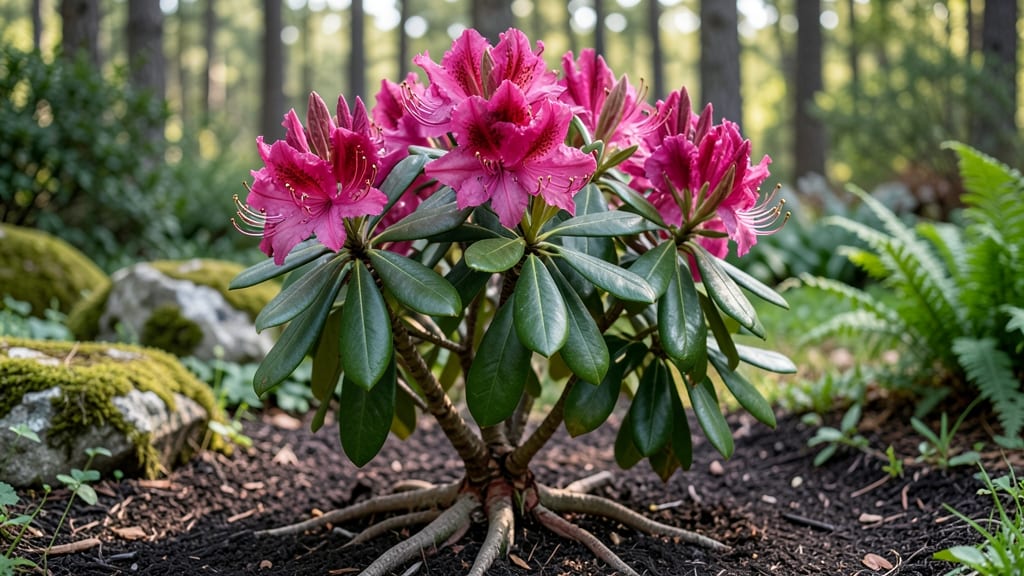
The crushed leaf of Catawba rhododendron is the secret weapon I reach for when pests like lace bugs and spider mites invade my garden. 🌿 The natural oils in these leaves act as a potent, organic repellent that works without harsh chemicals—just what I need for my delicate perennials. I discovered this trick after my roses were nearly overwhelmed by mites last summer. A simple spray of crushed leaves and water kept the pests at bay while nourishing the soil. The key is using fresh, healthy leaves—diseased foliage can spread problems instead of solving them. You’ll notice fewer pests within a few days, and the plants will bounce back with stronger growth. The leaves also improve soil structure and add nutrients, making them a two-for-one solution for garden health. Perfect for organic gardeners, those with sensitive plants, or anyone tired of chemical sprays. Here’s how to use them effectively in your garden routine.
📚 In This Guide
- What you need
- Instructions
- Tips and common mistakes
- Wrapping up and next steps
What you need
- ● Fresh or dried Catawba rhododendron leaves – Collect at least 1 cup (about 10-15 medium-sized leaves) for a standard batch. Fresh leaves work best, but dried leaves (stored in an airtight container) can also be used.
- ● Water – 2 cups (16 oz) for boiling or steeping.
- ● A large pot or heat-safe container – For boiling leaves (if using fresh).
- ● A fine-mesh strainer or cheesecloth – To strain the liquid after brewing.
- ● Spray bottle (8-16 oz) – For easy application in the garden.
- ○ Gloves (optional but recommended) – Catawba rhododendron leaves contain grayanotoxins, which can irritate skin.
- ● Essential oils (e.g., neem or peppermint) – 5-10 drops to enhance pest-repelling properties.
- ● Castile soap (1 tsp) – Adds mild insecticidal properties and helps the solution stick to foliage.
- ● Hair spray bottle (for larger gardens) – Holds more liquid for broader coverage.
- ● Label and marker – To mark your spray bottle (e.g., "Natural Pest Repellent – Keep Away from Pets").
How to use Catawba rhododendron leaves as a natural pest repellent
Here’s my go-to method for turning those fallen leaves into a powerful, chemical-free garden protector.
🌿 Step 1: Collect and Prepare the Leaves
Gather fresh or dried Catawba rhododendron leaves—about 2 cups per gallon of water—from your garden or a trusted source. Avoid leaves that look diseased or yellowed. I like to collect them in late summer or early fall when they’re at their peak potency. Crumble them by hand or chop them finely with scissors for faster infusion.
Place the leaves in a large bowl or bucket. Add 1 gallon of warm water (not boiling—120-130°F—to preserve their natural oils). Stir gently to submerge all the leaves. Let the mixture steep for 24 hours in a shaded spot. The water will turn a pale yellow-brown, signaling the active compounds are leaching out.
💧 Step 2: Strain and Dilute the Solution
After steeping, strain the mixture through a fine mesh sieve or cheesecloth into a clean container. The strained liquid is your base repellent. I usually dilute it further—1 part strained liquid to 3 parts water—to make it gentle enough for plants while still effective. This gives you about 4 gallons of finished spray from your original 2 cups of leaves.
For extra strength, you can add 1 tablespoon of neem oil per gallon of diluted solution. This boosts the repellent’s effectiveness against soft-bodied pests like aphids and spider mites. Stir well before using, and store the solution in a labeled spray bottle or jug in a cool, dark place for up to 2 weeks.
✂️ Step 3: Apply to Plants and Garden Beds
Fill a spray bottle with your diluted solution and apply it to the top and bottom of leaves, focusing on areas where pests hide. Spray early in the morning or late afternoon to avoid burning plants in direct sunlight. Reapply every 7-10 days or after heavy rain, as the solution washes away over time. You’ll notice pests like aphids, caterpillars, and even slugs retreating within 24-48 hours of application.
For garden beds, pour the remaining diluted solution directly onto the soil around plants. This creates a protective barrier that deters crawling pests like cutworms and earwigs. Water the soil lightly afterward to help the solution penetrate. The earthy scent of the rhododendron leaves lingers, acting as a natural deterrent for weeks.
☀️ Step 4: Maintain and Rotate Applications
To keep pests at bay, rotate your repellent applications with other natural methods like companion planting or introducing beneficial insects. For example, I alternate rhododendron spray with a garlic-chili spray every 2 weeks to prevent pests from building resistance. Always monitor your plants for signs of stress—if leaves yellow or wilt, dilute the solution further next time.
In late fall, collect any remaining leaves from your garden and compost them. This not only keeps your garden tidy but also enriches the soil with the same natural pest-deterring compounds. Over time, you’ll notice fewer pests and healthier plants—no chemicals required!
Tips & tricks for perfect Catawba rhododendron pest repellent
Real talk: The magic of this natural repellent isn't just in following the steps—it's in the little details that make all the difference. Here's how to get the most out of your Catawba rhododendron pest control without any headaches.
Timing Secret: That 24-hour steep in Step 1 is non-negotiable for maximum potency, but don't let it go longer than 48 hours. After 48 hours, the active compounds start breaking down, and you'll lose effectiveness. I set a timer on my phone so I never forget—this stuff works best when fresh! The pale yellow-brown color is your visual cue that it's ready to strain.
Temperature Precision: The 120-130°F water temperature in Step 1 is crucial for preserving those natural oils that repel pests. Too hot (above 140°F) and you'll cook out the beneficial compounds. I use a kitchen thermometer to check my warm water—it's worth the investment for this one step. If you don't have one, test with your finger: it should feel warm but not scalding.
Dilution Strategy: The 1:3 dilution ratio in Step 2 is perfect for most garden plants, but delicate flowers or seedlings might need an even gentler touch. I start with the full dilution and watch for any signs of stress after application. If leaves look wilted, I'd dilute it further to 1:4 next time. The key is finding that balance between effectiveness and plant safety.
Application Insight: When spraying in Step 3, focus on the undersides of leaves where many pests hide—aphids love those spots! I use a spray bottle with a fine mist setting to ensure even coverage. For larger garden areas, consider using a pump sprayer filled with your diluted solution. The early morning application time is ideal because it gives the solution time to dry before the heat of the day, which helps prevent any potential leaf burn.
Pro Tips for Catawba Rhododendron Leaf
- Real talk: The magic of this natural repellent isn't just in following the steps—it's in the little details that make all the difference.
- Timing Secret: That 24-hour steep in Step 1 is non-negotiable for maximum potency, but don't let it go longer than 48 hours.
- Temperature Precision: The 120-130°F water temperature in Step 1 is crucial for preserving those natural oils that repel pests.
Frequently asked questions
Got questions about using Catawba rhododendron leaves as a natural pest repellent? You’re not alone! Here are some of the most common queries—and answers—to help you get the most out of this garden powerhouse.
How do I prepare Catawba rhododendron leaves for pest control?
Simply crush fresh or dried leaves and steep them in water (1:1 ratio) for 24 hours. Strain the liquid and spray it on plants—no cooking required! For a stronger repellent, add a few drops of dish soap as a natural emulsifier. Pro tip: Store the mixture in a spray bottle for easy application.
When is the best time of year to harvest leaves?
Harvest leaves in late summer to early fall when they’re fully mature but before frost. Avoid using leaves that show signs of disease or pest damage. Dried leaves can be stored in airtight containers for up to a year, making them ready for winter pest prevention.
Which pests does this repellent work best against?
Catawba rhododendron leaves are especially effective against soft-bodied insects like aphids, mites, and whiteflies. While it may deter some beetles and caterpillars, results vary. For tougher pests, combine it with other natural remedies like neem oil or companion planting.
Can I use this on edible plants like vegetables or herbs?
Yes! The repellent is safe for most edible plants, including vegetables, herbs, and fruits. However, always test a small area first to ensure no sensitivity. Avoid spraying directly before harvest to allow residue time to break down. Bonus: It won’t harm beneficial insects like ladybugs or bees!
What if the repellent stops working after a few uses?
Pest resistance can develop over time, so rotate remedies every 2–3 weeks. Replenish your leaf supply seasonally and consider adding a garlic or chili pepper infusion to boost effectiveness. If pests persist, inspect plants for hidden issues like fungal infections or soil-borne problems.
Wrapping up and next steps
The Catawba rhododendron leaf is a game-changer for gardeners seeking a natural, chemical-free way to keep pests at bay. 🌿 Whether you’re dealing with aphids, slugs, or even deer, this powerhouse plant offers an eco-friendly solution that’s easy to use and sustainable.
With just a few leaves, you can transform your garden into a pest-resistant haven—without breaking the bank or harming the environment.
Ready to give it a try? Start by harvesting a few leaves from your local rhododendron bush (or a trusted source) and follow the simple steps outlined above. Your garden—and the planet—will thank you! 🌱✨