
Leaf Blower
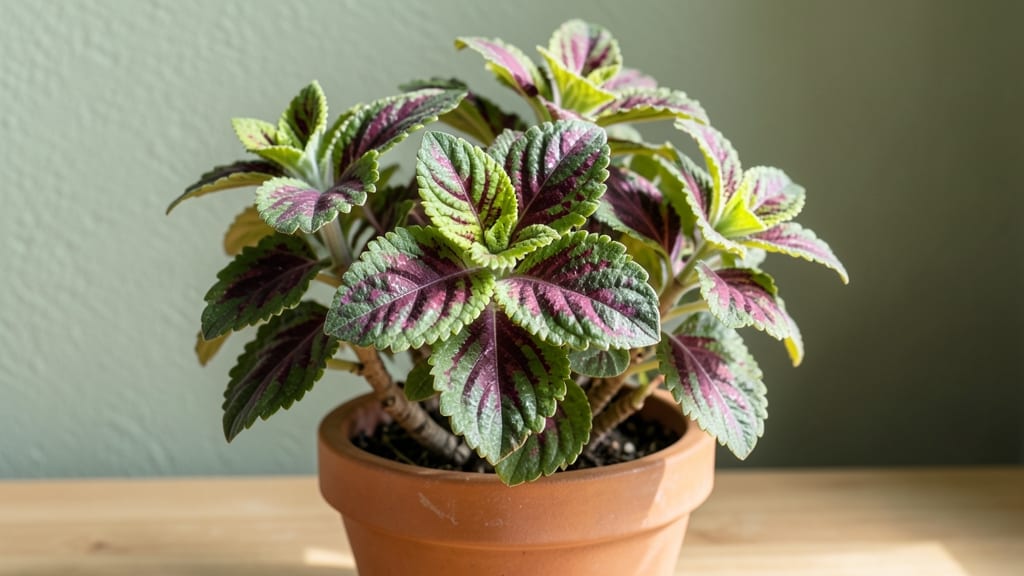
Those mysterious purple spots on the green leaf with purple spots aren’t just ugly—they’re your plants’ silent SOS. 🌿 I’ve diagnosed this drama on everything from tomatoes to hydrangeas, and the solutions are simpler than you’d think, whether it’s a fungal party, nutrient drama, or just a rough week for your plants.
The first step is identifying the culprit: Are spots raised and crusty (fungus), scattered like freckles (nutrient stress), or clustered near veins (viral)? Most cases turn out to be anthracnose or leaf spot, but potassium or phosphorus deficiencies can mimic the same panic. Grab a magnifying glass—this isn’t guesswork.
Once you know the enemy, the fix is straightforward: prune infected leaves, adjust fertilizer (try a balanced 10-10-10), and water at the base—not overhead—to keep foliage dry. For stubborn fungus, a baking soda spray (1 tsp per quart of water) works like a charm without harsh chemicals.
Here’s the good news: Even severely spotted leaves can bounce back with the right care. I’ve nursed back plants that looked like they’d given up—just give them 2-3 weeks of TLC, and you’ll see fresh growth pushing through. Let’s turn that drama into a comeback story.
Understanding Leaf Discoloration Causes
When your leaf blower’s foliage turns a green leaf with purple spots, it’s not just an aesthetic issue—it’s a cry for help from your plants. 🌿💜 Understanding the root causes can save your garden from further damage.
Below, we break down the most common reasons behind this unsightly (but fixable!) problem.
Purple spots often appear when plants experience sudden temperature drops, especially if they’re not cold-hardy. Here’s why:
- Photosynthesis disruption: Cold temperatures slow down chlorophyll production, causing green pigments to fade and revealing underlying anthocyanins (the purple compounds).
- Cell damage: Freezing or near-freezing nights can rupture cell walls, leading to localized discoloration.
- Sunlight exposure: If cold is paired with bright light, the stress compounds—leading to those telltale purple patches.
💡 Pro Tip: Mulch around plants in fall to insulate roots, and avoid planting cold-sensitive varieties (like tropicals) in frost-prone zones.
Water stress—whether from drought or overwatering—triggers purple spotting by disrupting nutrient uptake.
- Drought stress: When roots can’t absorb enough water, plants produce anthocyanins as a protective response, turning leaves purple.
- Overwatering: Poor drainage causes root suffocation, starving leaves of oxygen and nutrients, leading to uneven pigmentation.
- Mineral imbalance: Excessive water leaches out nitrogen and phosphorus, essential for green growth.
✨ Fix It: Check soil moisture 1–2 inches deep before watering. Use a moisture meter or the "squeeze test"—if soil clumps when pressed, it’s moist enough.
Purple spots often signal a lack of key nutrients, especially in fast-growing plants. The most common culprits:
| Nutrient | Role in Plant Health | Signs of Deficiency |
|---|---|---|
| Phosphorus (P) | Energy transfer, root growth | Dark purple stems/leaves, stunted growth |
| Potassium (K) | Water regulation, disease resistance | Yellow edges with purple centers, weak stems |
| Nitrogen (N) | Chlorophyll production | Overall yellowing (chlorosis) with purple undertones |
🔥 Action Step: Conduct a soil test (kits cost ~$20) and amend with compost or a balanced fertilizer (10-10-10 ratio). For severe cases, use a phosphorus-specific supplement like bone meal.
Pathogens like Alternaria or Pythium can cause purple-brown spots, often accompanied by wilting or leaf drop.
- Fungal spots: Look for fuzzy growth or concentric rings on leaves—classic signs of Alternaria leaf spot.
- Bacterial blight: Purple-black lesions with watery edges may ooze when touched (a sure sign of Xanthomonas).
- Environmental triggers: High humidity + poor airflow = fungal paradise.
👨🍳 Prevention: Space plants for airflow, water at soil level (not overhead), and apply copper fungicide preventatively in wet seasons.
Even "safe" herbicides or over-zealous leaf blower use can scorch foliage, leaving purple-black patches.
- Drift damage: Wind-blown herbicide (like glyphosate) can kill leaf cells, causing irregular discoloration.
- Salt burn: Over-fertilizing or hard water buildup creates toxic salt concentrations in soil.
- Blower trauma: High-speed air can physically damage delicate leaves, mimicking stress symptoms.
🔪 Solution: If herbicide is suspected, flush soil with water and avoid treating until new growth appears. For blower damage, reduce speed and maintain a 12-inch distance from foliage.
Fixing Uneven Foliage Drama
Now that you understand why your leaf blower’s foliage is showing off with those pesky green leaves with purple spots, it’s time to roll up your sleeves and get back to lush, even greenery. The good news? Most of these issues have simple, practical fixes—no advanced horticulture degree required.
Below, we’ve mapped out cause-specific solutions to restore your plants’ pride (and your garden’s aesthetic). Don’t forget the prevention tips at the end to keep future drama at bay!
Symptoms: Purple splotches, soggy soil, or leaves that feel mushy to the touch.
If your plants are drowning in love (water), it’s time to let them breathe. Overwatering suffocates roots and invites fungal infections, which can manifest as those unsightly purple patches.
How to Fix It: 🔥 Step 1: Stop the Water Torture
- Pause watering immediately and let the top 1–2 inches of soil dry out before watering again. Stick your finger in the soil—if it’s damp past your first knuckle, wait.
🍳 Step 2: Improve Soil Drainage
- Mix in perlite, coarse sand, or compost to aerate heavy or compacted soil. For potted plants, ensure drainage holes are clear (no pebbles blocking them!).
👨🍳 Step 3: Repot if Necessary
- If the roots are circling or the soil is perpetually waterlogged, repot into a container with well-draining potting mix (like a cactus/succulent blend for drought-prone plants).
🥘 Step 4: Adjust Your Watering Schedule
- Water deeply but infrequently—aim for 1 inch of water per week (including rainfall). Early morning is best to reduce fungal risks.
💡 Pro Tip:
- Test your soil’s moisture with a moisture meter or the old-fashioned finger test. Overwatering is the #1 killer of houseplants—trust the process!
Symptoms: Purple edges, crispy leaf tips, or leaves that look sunburned (yes, plants can get sunburn too!).
If your leaf blower (or other sun-loving plants) is getting too much direct sunlight, especially in scorching afternoons, those purple spots are a cry for help.
How to Fix It: 🔥 Step 1: Move It to a Brighter—but Cooler—Spot
- Gradually acclimate plants to partial shade (e.g., move them under a sheer curtain or to a spot with dappled sunlight). Sudden shade changes can shock plants, so ease into it over 1–2 weeks.
🍳 Step 2: Use Reflective Mulch or Shade Cloth
- For outdoor plants, try white gravel or reflective mulch to bounce back some light. For extreme heat, drape 30–50% shade cloth over delicate foliage.
👨🍳 Step 3: Hydrate Strategically
- Water deeply in the morning to help plants absorb moisture before the heat peaks. Avoid evening watering, which can encourage fungal growth.
🥘 Step 4: Mist Leaves (Gently!)
- Lightly misting leaves can create a microclimate of humidity, reducing heat stress. Skip this for succulents—they’ll revolt.
💡 Pro Tip:
- Rotate pots occasionally so all sides of the plant get even light exposure. This prevents lopsided growth and sun stress.
Symptoms: Purple spots that spread, fuzzy growth (mold), or leaves that feel slimy.
Fungi like Botrytis (gray mold) or anthracnose love damp, crowded conditions and turn leaves into a purple, splotchy mess. Don’t panic—fungicides and good hygiene can save the day.
How to Fix It: 🔥 Step 1: Isolate the Patient
- Move the affected plant away from others to prevent spores from hitchhiking. Fungi spread faster than gossip at a garden club meeting.
🍳 Step 2: Prune the Problem Areas
- Use sterilized scissors (wipe with rubbing alcohol) to snip off infected leaves—cut down to healthy tissue. Dispose of pruned parts in the trash (not compost).
👨🍳 Step 3: Apply Fungicide
- Spray with a copper-based fungicide or neem oil solution (1 tsp neem oil + 1 tsp mild soap per quart of water). Reapply every 7–10 days until the issue clears.
🥘 Step 4: Boost Airflow
- Thin out nearby plants to improve circulation. Fungi thrive in stagnant air—keep things breezy!
💡 Pro Tip:
- Prevent future outbreaks by watering at the base (not overhead) and avoiding wet foliage. If humidity is high, use a dehumidifier or fan near plants.
Symptoms: Purple veins, stunted growth, or leaves that look “washed out.”
Plants need nitrogen, phosphorus, and potassium to stay vibrant. If your leaf blower is showing signs of nutrient starvation, it’s time to hit the fertilizer aisle—but choose wisely!
How to Fix It: 🔥 Step 1: Test Your Soil
- Grab a DIY soil test kit (or send a sample to a local extension office) to check pH and nutrient levels. Purple spots often signal low phosphorus or potassium.
🍳 Step 2: Pick the Right Fertilizer
- For phosphorus deficiency (common in purple-spotted leaves), use a balanced fertilizer (like 10-10-10) or a bone meal (organic option).
- For potassium deficiency, try wood ash (sprinkle lightly) or a potassium-rich fertilizer (like 0-0-50).
👨🍳 Step 3: Feed in Stages
- Over-fertilizing can burn roots, so follow package instructions. For houseplants, dilute liquid fertilizer to half-strength and apply monthly in spring/summer.
🥘 Step 4: Amend the Soil
- Mix in compost or worm castings to slowly release nutrients. Avoid synthetic fertilizers if your plant prefers organic goodness.
💡 Pro Tip:
- Flush the soil every few months with water to prevent salt buildup from fertilizers. Let water run through the pot for 10–15 minutes.
Once you’ve revived your leaf blower, lock in its good looks with these habits: - Water wisely: Check soil moisture before watering—never on a schedule. - Monitor sunlight: Observe how your plant reacts to light.
If leaves scorch, it’s getting too much sun. - Inspect regularly: Catch purple spots early before they spread. A quick leaf-by-leaf check once a week saves time. - Clean tools: Sterilize pruners and pots to avoid transferring diseases. - Rotate plants: Give them even light exposure to prevent lopsided growth.
Final Thought: Your leaf blower’s purple-spotted past doesn’t have to be its future. With the right adjustments—drainage, shade, fungicides, or nutrients—you’ll have it looking lush and drama-free in no time. Now go forth and garden like a pro! 🌿✨
Frequently asked questions
Are purple spots on green leaves always a sign of disease?
Not necessarily! While fungal infections like anthracnose or bacterial blight often cause purple-brown spots, they can also appear from nutrient deficiencies (especially phosphorus or potassium) or environmental stress like temperature fluctuations. Always check for other symptoms: raised spots with fuzzy edges suggest fungus, while uniform purple splotches often indicate stress or deficiency.
How do I tell if my plant has a fungal infection versus nutrient deficiency?
Look closely: fungal spots are usually raised, crusty, or have fuzzy edges (like Alternaria leaf spot), while nutrient deficiencies create more uniform purple discoloration, often starting at leaf edges or between veins. Test your soil—if pH is off or nutrients are low, that’s likely the culprit. Fungal issues often appear after wet weather or poor airflow.
Can I save a plant with severe purple spotting?
Yes! If the spots are from fungus, prune infected leaves immediately and apply a copper fungicide or neem oil spray. For nutrient issues, amend soil with compost or a balanced fertilizer (10-10-10). Give the plant 2-3 weeks of consistent care—new growth should emerge if roots are healthy. If the entire plant is wilting or mushy, it may be too late, but early intervention works wonders!
Why do some plants develop purple spots in cold weather?
Cold stress triggers anthocyanin production—the same pigments that make red cabbage purple! When temperatures drop, chlorophyll slows down, revealing these protective compounds. Hardy plants (like kale or cabbage) thrive in cold, but tropical varieties (like hibiscus) will show purple spots as a distress signal. Mulch around plants to insulate roots and prevent future cold damage.
Is baking soda really effective for treating fungal spots?
A 1-teaspoon baking soda + 1-teaspoon mild soap per quart of water spray creates an alkaline environment fungi hate. Mix well, spray undersides of leaves (where spores hide), and reapply every 7-10 days until new growth appears. For severe cases, combine with a copper fungicide for better results. Always test on a small leaf first!