
Plants
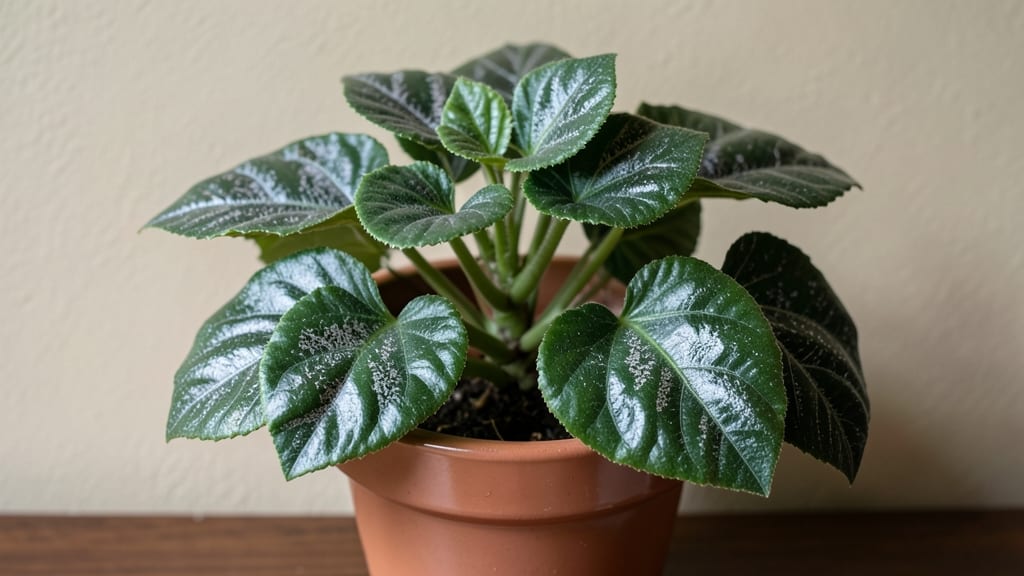
Growing a green leaf begonia means bringing velvety, deep-green foliage indoors that rivals any jungle plant. 🌿 I’ve struggled with droopy leaves and yellowing foliage until I cracked the code on light, water, and humidity—now my begonia thrives year-round with minimal fuss.
The secret lies in mimicking its natural tropical habitat: bright, indirect light, a consistently moist (not soggy) soil mix, and humidity levels above 50%. A 6-inch pot with drainage holes works perfectly for starters, and a simple peaty soil blend keeps roots happy without waterlogging.
You’ll notice new leaves unfurling in just 4-6 weeks, their glossy surfaces reflecting light like polished jade. The key is patience—these plants reward consistent care with bold, textured foliage that turns heads in any room.
Perfect for beginners, these begonias adapt well to indoor spaces and even tolerate occasional neglect better than most tropicals. Here’s how to keep yours lush and vibrant all season.
📚 In This Guide
- What you need
- Instructions
- Tips and common mistakes
- Wrapping up and next steps
What you need
- ● Green leaf begonia plant: A healthy, mature plant (or a cutting from a friend’s plant!). Look for vibrant, glossy leaves and sturdy stems.
- ● Well-draining potting mix: A blend of peat moss, perlite, and orchid bark (or a pre-mixed african violet mix). Avoid heavy garden soil!
- ● Pot with drainage holes: A 6–8 inch diameter container (terracotta or plastic) to prevent root rot. For propagation, small 2–3 inch pots or even water-only jars work!
- ● Watering can with a fine rose: Begonias hate soggy roots—gentle watering is key!
- ○ Humidity tray or pebble tray: Optional but highly recommended for maintaining 50–60% humidity.
- ● Sharp, sterilized scissors or pruning shears: For propagating cuttings (if starting from scratch).
- ● Spray bottle: For misting leaves and boosting humidity.
- ● Fertilizer (balanced liquid or slow-release): 20-20-20 or 10-10-10 diluted to half-strength. Use every 4–6 weeks in growing season.
- ○ Grow lights (optional): If your space lacks bright, indirect light, a LED grow bulb (10,000–12,000K) keeps leaves lush.
- ○ Rooting hormone (optional): Speeds up propagation for cuttings.
- ○ Mulch or moss (optional): Top-dress soil with sphagnum moss to retain moisture.
Step-by-step guide to growing vibrant green leaf begonias
Here’s how to coax those rich, velvety leaves into thriving indoor plants—no black thumb required.
🪴 Step 1: Select the Right Container and Soil Mix
Green leaf begonias despise soggy roots, so choose a 6-8 inch pot with drainage holes—terracotta works best because it breathes. The soil mix must replicate their native humid, well-draining environment: blend 2 parts peat moss, 1 part perlite, and 1 part orchid bark. This keeps roots aerated while holding enough moisture to prevent wilting.
Fill the pot to 1 inch below the rim, then tap gently to settle the mix. The surface should feel like a damp sponge—not bone-dry, but not dripping either. Begonias hate sitting in waterlogged soil, so if your pot lacks drainage, add a 2-inch layer of gravel at the bottom first. This ensures excess water drains away while keeping roots hydrated.
☀️ Step 2: Position for Bright, Indirect Light
Place your begonia 3-4 feet from an east- or west-facing window—direct midday sun scalds those delicate leaves. If your space only has south-facing light, filter it with a sheer curtain to diffuse intensity. You’ll know the light is right when leaves stay deep green and glossy without yellowing or browning at the edges.
Rotate the pot a quarter turn weekly to prevent lopsided growth. Begonias grow toward the light, so if you notice stems leaning, it’s time to adjust. A grow light on a 12-hour timer works in low-light spots, but keep it 6-12 inches above the plant—too close burns leaves, too far stretches stems.
💧 Step 3: Water with Precision (The Begonia Secret)
Water when the top inch of soil feels dry to the touch, but never let the pot sit in saucers of water. Begonias drink through their leaves too—mist foliage weekly with room-temperature water to mimic humidity. Use room-temperature water only; cold water shocks roots and causes leaf drop.
Water deeply until it drains from the bottom, then empty the saucer after 10 minutes. Overwatering is the #1 killer of green leaf begonias—yellow leaves or mushy stems mean you’re drowning them. If this happens, let the soil dry out completely before watering again. A moisture meter takes the guesswork out of it.
✂️ Step 4: Prune and Encourage Bushier Growth
Pinch back new growth tips when stems reach 3-4 inches to trigger bushier foliage. Use clean, sharp scissors to snip just above a leaf node—this redirects energy into lateral branches. Remove any yellow or brown leaves immediately; they sap energy and invite pests.
If your begonia outgrows its pot, repot in spring using the same soil mix. Gently tease apart roots if crowded, but don’t disturb them more than necessary—begonias resent root trauma. After repotting, hold off on watering for 3-4 days to let roots establish before resuming your routine.
🌿 Step 5: Fertilize Lightly for Lush Leaves
Feed every 4-6 weeks in spring and summer with a balanced, water-soluble fertilizer (10-10-10) diluted to half strength. Over-fertilizing burns roots and causes salt buildup—flush the soil with water every 3 months to prevent this. In fall and winter, let the plant rest; no fertilizer needed.
Watch for dark green, waxy leaves—that’s your sign the plant is happy. If leaves pale or grow small, it’s time to fertilize again. Begonias store nutrients in their leaves, so they show stress quickly. A foliar spray of seaweed extract monthly boosts natural defenses and keeps foliage vibrant.
Tips & tricks for thriving green leaf begonias
Here's what nobody tells you about keeping these velvety beauties lush and healthy for years—lessons I learned after watching my first plant wilt dramatically.
Soil Mix Precision: When blending your 2 parts peat moss, 1 part perlite, and 1 part orchid bark, sift the mix first to eliminate clumps. Packed soil prevents proper aeration, which leads to root rot—the silent killer of green leaf begonias. After filling your pot to 1 inch below the rim, press down gently but firmly to eliminate air pockets. This ensures even moisture distribution without compacting the mix too tightly.
Light Positioning Hack: If your east- or west-facing window doesn't provide enough light, supplement with a 12-hour grow light timer during winter months when daylight is shorter. Position the light 6-8 inches above the plant—closer than the 6-12 inch range mentioned for flexibility. Begonias grow toward light, so if you notice leaves stretching toward the window, it's time to adjust either the plant's position or the light source. This prevents those telltale "leggy" stems that ruin the compact, bushy look.
Watering Technique: The 10-minute drainage rule after watering is critical—set a timer! Many begonia deaths happen because people forget to empty the saucer. For extra insurance, place your pot on a bed of pebbles or a saucer with drainage holes to prevent water from pooling. And here's a pro move: water at the base rather than overhead to reduce fungal risks. The weekly misting is your secret weapon for recreating that tropical humidity these plants crave.
Pruning Strategy: When pinching back growth at 3-4 inches, aim to remove about 1/3 of the new tip to encourage branching. Use sterilized scissors to prevent bacterial infections—dip them in rubbing alcohol between cuts. The 3-4 day watering pause after repotting is non-negotiable; it gives roots time to knit together without drowning in fresh, overly moist soil. This is when most begonia owners make their biggest mistake—rushing to water too soon.
Pro Tips for Green Leaf Begonia
- Here's what nobody tells you about keeping these velvety beauties lush and healthy for years—lessons I learned after ...
- Soil Mix Precision: When blending your 2 parts peat moss, 1 part perlite, and 1 part orchid bark, sift the mix first ...
- Light Positioning Hack: If your east- or west-facing window doesn't provide enough light, supplement with a 12-hour g...
Frequently asked questions
How often should I water my green leaf begonia?
Water your begonia when the top 1-2 inches of soil feel dry. Typically, this means watering every 7-10 days, but adjust based on humidity and light. Overwatering is the #1 killer—use well-draining soil and a pot with drainage holes to prevent root rot. Pro tip: Stick your finger in the soil to check moisture levels!
What’s the best temperature range for green leaf begonias?
Keep your begonia cozy in 65–75°F (18–24°C) during the day and avoid dropping below 60°F (15°C) at night. These tropical plants hate cold drafts, so steer clear of windows near AC units or doors. If temps dip, move it to a warmer spot or use a small space heater (safely!).
How much light does a green leaf begonia need?
Bright, indirect light is ideal—think east or north-facing windows. Direct sun can scorch leaves, while too little light causes leggy growth. If leaves look pale or stretch, it’s time to adjust. A grow light (12–14 hours/day) works for low-light spots.
Why are my begonia leaves turning yellow or spotted?
Yellow leaves often signal overwatering or poor drainage, while brown spots or holes usually mean pests (like spider mites) or fungal issues. Check the soil, inspect leaves for bugs, and trim damaged areas with clean scissors. Prevent pests by wiping leaves with neem oil occasionally.
Can I propagate my green leaf begonia? If so, how?
The easiest way is leaf cuttings:
- Snip a healthy leaf and let the stem dry for 1–2 hours.
- Place the stem in moist perlite or sphagnum moss (not water).
- Cover with a plastic bag to retain humidity and keep in bright, indirect light.
- Roots should form in 4–6 weeks!
Wrapping up and next steps
Growing a green leaf begonia is a rewarding journey that brings vibrant life to your indoor space! With the right balance of light, water, and care, you’ll enjoy lush foliage that thrives year-round.
Whether you’re a beginner or a seasoned plant parent, these tips will help you nurture a healthy, flourishing begonia that’s sure to impress.
Ready to take the next step? Start with one plant, experiment with care routines, and soon you’ll be sharing your begonia success story—maybe even expanding your collection! 🌿✨