
Pests and Diseases
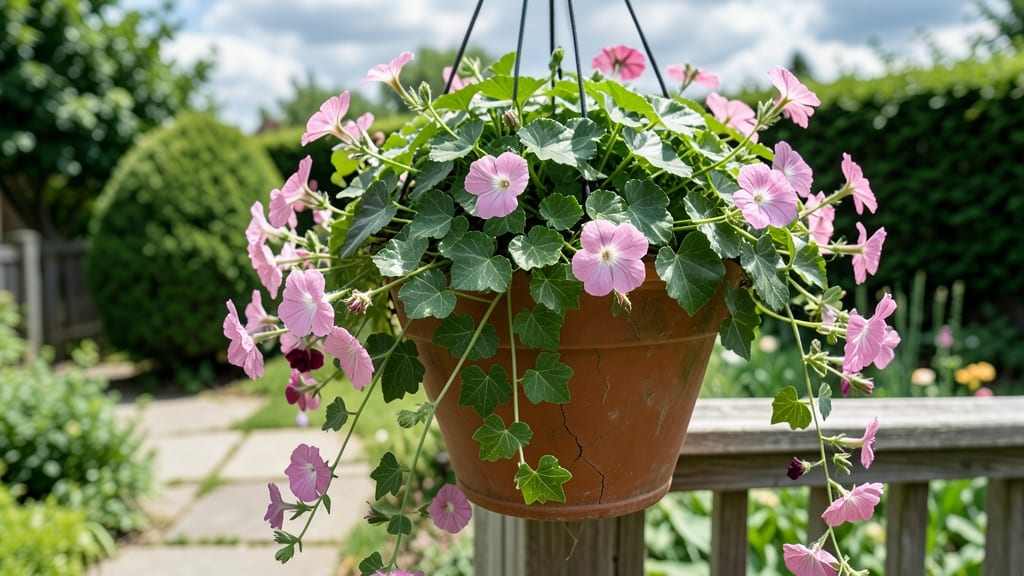
My geranium ivy leaf plants nearly died last summer—until I fixed three key mistakes that were starving their roots. 🌿 These trailing beauties thrive when you match their love of bright light, well-draining soil, and regular watering to their natural habits in South Africa's rocky cliffs.
The secret isn't complicated: keep them in morning sun and afternoon shade, use a 50/50 mix of potting soil and perlite, and water when the top inch feels dry. Overwatering is the #1 killer—these plants hate soggy roots, which is why they wilt so dramatically when stressed.
Within weeks, you'll see those glossy leaves bouncing back and vines cascading 12-24 inches in hanging baskets. The key is consistent care: prune leggy growth in spring, fertilize lightly every 4-6 weeks, and watch them transform from sad to showstopping.
Perfect for containers, trellises, or as a living curtain on fences. Here's how to keep yours lush all season long.
📚 In This Guide
- What you need
- Instructions
- Tips and common mistakes
- Wrapping up and next steps
What you need
- ● Geranium ivy leaf plant – A healthy or struggling vine (1-3 plants, depending on pot size).
- ● Well-draining potting mix – 2-3 gallons (for repotting) or enough to refresh the top 2-3 inches of soil in the current pot.
- ● Pruning shears or clean scissors – Sharp, sterilized tools to trim dead or diseased foliage.
- ● Neem oil or insecticidal soap – 1-2 tablespoons (for pest control, like spider mites or aphids).
- ○ Fungicide (optional but helpful) – Copper-based or systemic fungicide (e.g., Myclobutanil) for fungal issues like powdery mildew.
- ● Balanced liquid fertilizer – 10-10-10 or 20-20-20 (diluted to half-strength).
- ● Spray bottle with water – For misting or targeted hydration.
- ○ Gloves (optional) – To protect hands from sap or pesticides.
- ● Small hand trowel – For gently loosening soil or repotting.
- ● Container with drainage holes – If repotting (6-8 inches in diameter for 1-2 plants).
- ● Sunlight access – Bright, indirect light (or a grow light for indoor setups).
- ● Watering can or cup – For deep watering (avoid soggy soil!).
Step-by-Step guide to reviving wilting geranium ivy leaf vines
Here’s how I bring these tough plants back to life—no fancy tools or complicated steps.
🌿 Step 1: Check for Root and Soil Issues
Start by gently removing the plant from its pot or container. Look closely at the roots—healthy roots should be white or light tan, not mushy or black. If you see dark, foul-smelling roots, that’s a sign of overwatering or rot. I’ve found that geranium ivy leaf often wilts when its roots can’t breathe, so give them a good once-over.
Next, examine the soil. If it smells sour or feels compacted, it’s time for a refresh. Geraniums hate soggy soil, so if the top 2 inches feel damp, hold off on watering. Instead, let it dry out completely before giving it another drink. This plant is tougher than it looks—it’ll bounce back faster if you let it recover from soggy conditions.
💧 Step 2: Prune Damaged Foliage and Adjust Watering
Snip off any yellowed, brown, or crispy leaves with clean, sharp scissors. You’re not just tidying up—you’re helping the plant redirect energy to new growth. I always cut back to a healthy leaf or stem to encourage fresh shoots. Don’t worry if it looks bare at first; geranium ivy leaf grows back quickly once it’s happy.
Water only when the top 1-2 inches of soil feel dry to the touch. Overwatering is the #1 killer of these vines, so I use the "finger test" every time. Stick your finger in the soil—if it’s still moist, wait another day. Once you’ve adjusted the watering, place the plant in bright, indirect light. Direct sun can stress a recovering plant, so a spot near a window with sheer curtains works best.
☀️ Step 3: Boost Light and Fertilize Gently
Geranium ivy leaf thrives in bright, indirect light—think east or west-facing windows. If your plant is still looking weak after a week, it might need more light. Rotate the pot a quarter turn every few days so it grows evenly. You’ll notice new growth within 2-3 weeks if the light is right.
Once the plant shows signs of recovery—like fresh green leaves or new buds—feed it with a balanced liquid fertilizer (like 10-10-10) diluted to half strength. I do this every 4-6 weeks during the growing season. Too much fertilizer can burn the roots, so start light and monitor closely. Avoid fertilizing in winter when growth slows down.
✂️ Step 4: Encourage Bushier Growth with Pruning
When the plant starts putting out new growth, pinch back the tips of the longest stems just above a leaf node. This tricks the plant into branching out instead of growing tall and leggy. I do this every 4-6 weeks during the growing season to keep my geranium ivy leaf full and lush. It’s like giving it a little haircut—it might seem harsh, but the results are worth it.
If the plant starts trailing too much, you can also trim back the longest vines to encourage a bushier shape. Just make sure to leave at least 3-4 sets of leaves on each stem so the plant has energy to recover. With the right care, your geranium ivy leaf will be thriving in no time—promise!
Tips & tricks for reviving geranium ivy leaf vines
These simple tricks will help you bring your wilting geranium ivy leaf back to life without the guesswork.
Root and Soil Inspection: When checking roots in Step 1, don't just look—give them a gentle squeeze. Healthy roots should feel firm and spring back slightly. If they crumble easily or smell foul, that's your sign to trim away the damaged portions with clean scissors. I've seen plants that looked hopeless come back completely when I removed just the rotten bits—it's like giving them a fresh start.
Pruning Technique: In Step 2, when you're snipping off damaged leaves, make your cuts at a 45-degree angle just above a leaf node. This helps water flow better and encourages new growth from that spot. I always sterilize my scissors with rubbing alcohol between cuts to prevent spreading any potential plant diseases—better safe than sorry!
Light Optimization: For Step 3, if your plant still looks weak after a week in bright, indirect light, try moving it closer to the window—but not directly in the sun. East-facing windows are ideal because they provide gentle morning light without the harsh afternoon rays. I've had plants perk up dramatically just by rotating them a quarter turn daily to ensure even growth.
Fertilizer Timing: When you're ready to fertilize in Step 3, remember that less is more. I start with just a quarter-strength solution of my 10-10-10 fertilizer and monitor the plant's reaction. If you see new leaves developing within 2-3 weeks, you're on the right track. Too much fertilizer too soon can actually set your plant back further than it was!
Pro Tips for Geranium Ivy Leaf
- These simple tricks will help you bring your wilting geranium ivy leaf back to life without the guesswork.
- Root and Soil Inspection: When checking roots in Step 1, don't just look—give them a gentle squeeze.
- Pruning Technique: In Step 2, when you're snipping off damaged leaves, make your cuts at a 45-degree angle just above a leaf node.
Frequently asked questions
Got questions about keeping your geranium ivy leaf (Pelargonium peltatum) thriving?
Here are answers to the most common concerns—from pests to pruning—so you can troubleshoot like a pro!
How do I tell if my geranium ivy leaf is overwatered or underwatered?
Check the soil first! If it’s soggy and the leaves feel mushy or yellow, you’re overwatering. Geranium ivy leaf prefers to dry out slightly between waterings. If the soil is bone-dry and leaves curl or droop, it’s thirsty. Stick your finger in—top 1-2 inches dry means water time!
What pests commonly attack geranium ivy leaf, and how do I get rid of them?
Watch for aphids (tiny green clusters), spider mites (webbing on undersides), and whiteflies (fluffy white bugs). Blast them off with water, then treat with neem oil or insecticidal soap. For severe infestations, isolate the plant and repeat every 5-7 days.
When and how should I prune my geranium ivy leaf for bushier growth?
Prune in early spring or after flowering to encourage new growth. Cut back leggy stems by ⅓ using clean, sharp scissors. Pinch back tips of new growth to promote branching. Avoid heavy pruning in fall—it can stress the plant before winter.
Can geranium ivy leaf survive indoors, and what light does it need?
Yes! Place it near a south- or west-facing window for 6+ hours of sunlight daily. If leaves fade or stems stretch, it’s not getting enough light. Rotate the plant weekly for even growth. Supplement with a grow light if natural light is limited.
How do I overwinter geranium ivy leaf in cold climates?
Bring potted plants indoors before temps drop below 50°F (10°C). Reduce watering and place in bright, cool light (60-65°F). Resume regular care in spring. For outdoor plants, mulch heavily and cover with frost cloth if needed.
Wrapping up and next steps
Geranium ivy leaf vines may seem tricky, but with the right care—like proper pruning, pest control, and a little TLC—they’ll bounce back stronger than ever! 🌿 Whether you’re dealing with leggy growth, brown tips, or pesky pests, these 3 simple steps will help you revive your plants and keep them thriving.
Ready to give your greenery a second chance?
Now that you’re armed with the know-how, take action today! Grab your shears, check those leaves, and watch your geranium ivy leaf vines flourish. Happy gardening! 🌱✨