
Trees
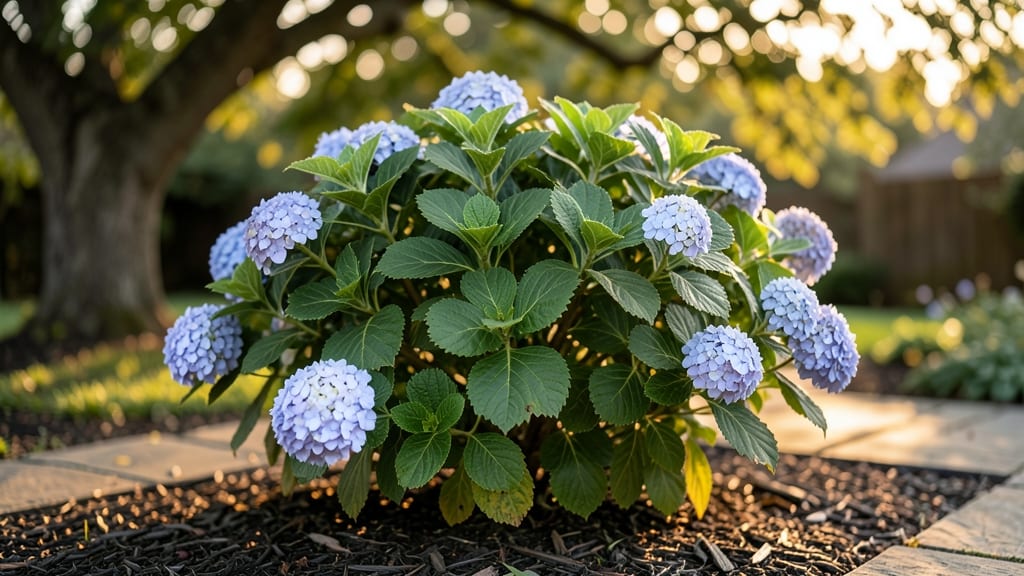
Your shade garden just got an upgrade with dwarf oak leaf hydrangea—the showstopper shrub that thrives where others struggle. 🌿 I’ve grown these for years, and their lobed leaves and seasonal color shifts (from bronze to deep green to fiery red) make them the star of any low-light spot.
Unlike their taller cousins, these compact beauties stay under 4 feet tall, perfect for small gardens or foundation plantings.
They’re not picky about soil—just moist, well-draining earth with a slightly acidic pH (6.0–7.0) works. Plant in spring or fall when roots establish easily, spacing them 3–5 feet apart for airflow. Containers are great too—just use a 15–20 gallon pot with drainage holes.
The key? Morning sun and afternoon shade—they’ll reward you with fragrant white blooms in late spring and stunning fall foliage.
Water deeply once a week (more in summer heat), and feed with balanced organic fertilizer in spring. Prune right after blooming to shape and remove dead wood—never cut back old stems, as next year’s blooms form on last year’s growth.
Pests are rare, but watch for aphids or powdery mildew (neem oil fixes both). With minimal fuss, you’ll have a year-round focal point that outshines anything in your neighborhood.
Bonus: These hydrangeas handle light frost and even brief snow cover, so winter care is easy—just mulch around the base. For best results, plant two or three together to create a natural, layered look.
Once established, they’re nearly maintenance-free and drought-tolerant once roots spread. Ready to transform your shady corner into a lush retreat?
📚 In This Guide
- What you need
- Instructions
- Tips and common mistakes
- Wrapping up and next steps
What you need
- ● Dwarf oak leaf hydrangea plant: 1 healthy nursery-grown specimen (check for Hydrangea quercifolia ‘Snow Queen’ or similar cultivars).
- ● Well-draining potting mix: 5-10 gallons (for container gardening) or native soil amended with compost (for in-ground planting).
- ● Organic mulch: 2-3 inches of shredded bark or pine needles to retain moisture.
- ● Garden trowel or shovel: For planting and amending soil.
- ● Watering can or hose with a gentle spray nozzle: Hydrangeas love consistent moisture!
- ● Balanced fertilizer (10-10-10 or similar): 1-2 tablespoons per plant (spring and summer).
- ● Pruning shears: Sharp, clean pair for shaping and maintenance.
- ○ Container (optional for potted plants): 15-20 gallon pot with drainage holes (if not planting in-ground).
- ● Slow-release fertilizer tablets for convenience.
- ● Moss or decorative stones for a polished container look.
- ● Plant supports (small stakes) if needed for young plants.
- ● pH testing kit to monitor soil acidity (hydrangeas thrive in slightly acidic soil, pH 5.5-6.2).
Step-by-step guide to planting and caring for dwarf oak leaf hydrangea
This shade-loving beauty thrives with the right approach—here’s how to establish it for years of lush foliage.
🪴 Step 1: Choose the Perfect Planting Site
Dwarf oak leaf hydrangeas (Hydrangea quercifolia) demand partial to full shade—think morning sun with afternoon shade in hotter climates. I always scout the area first: the ideal spot gets 3-6 hours of dappled light daily, protecting delicate leaves from scorching. Avoid deep shade, where foliage grows sparse and flowers fail to develop.
Test your site by observing how sunlight moves across it throughout the day. If leaves of existing plants in the area show brown patches by midday, that’s a warning sign. Amend heavy clay soil with 2-3 inches of organic compost before planting—hydrangeas hate soggy roots but love moisture-retentive, well-draining soil. Dig a hole twice as wide as the root ball but only as deep.
🌱 Step 2: Plant with Care for Long-Term Health
Remove the hydrangea from its container and loosen any circled roots at the bottom—these strangle growth if left untouched. Place the plant in the hole so the top of the root ball sits level with the surrounding soil (never buried deeper). Backfill with native soil mixed with 1 part compost, tamping gently to eliminate air pockets.
Water deeply right after planting to settle the soil and encourage root contact. I like to create a 2-inch deep basin around the base to direct future waterings straight to the roots. Mulch with 2-3 inches of shredded bark or pine needles, keeping it 6 inches away from the stem to prevent rot. This mimics the acidic leaf litter hydrangeas thrive in naturally.
☀️ Step 3: Water and Feed for Vibrant Foliage
Keep the soil consistently moist but never waterlogged—dwarf oak leaf hydrangeas wilt dramatically when thirsty but recover quickly once rehydrated. Water 1-2 times weekly (more in extreme heat), aiming for 1 inch of water per week. You’ll know you’ve got it right when the top 1-2 inches of soil feel damp but not soggy.
Feed in early spring with a balanced, acidic fertilizer (10-10-10 or similar) at half-strength. I avoid high-nitrogen fertilizers—they promote leafy growth at the expense of those stunning white summer blooms. For extra acidity, sprinkle cottonseed meal around the base annually. Hydrangeas reward patience with deep green leaves and cone-shaped flowers by midsummer.
✂️ Step 4: Prune for Shape and Next Year’s Blooms
Prune immediately after flowering (late summer to early fall) to shape the plant and encourage next year’s blooms. Remove dead or crossing branches first, then cut back any leggy growth by ⅓ to maintain a compact form. Never prune in late winter—these hydrangeas bloom on old wood, and aggressive cuts risk losing next season’s flowers.
Watch for yellowing leaves, which often signal overwatering or poor drainage. If you notice brown leaf edges, it’s usually a sign of low humidity—mist leaves occasionally in dry climates or group plants together to create a microclimate. I also check for aphids on new growth; a strong spray of water usually knocks them off without chemicals.
⏰ Step 5: Winterize for Year-Round Success
Mulch heavily in late fall with 4-6 inches of shredded leaves or straw, pulling it back slightly in early spring to prevent rot. Dwarf oak leaf hydrangeas are hardy to USDA Zone 6, but young plants benefit from a light burlap wrap around the crown in harsh winters. Water sparingly during dormancy—just enough to keep roots from drying out completely.
Resist the urge to prune in winter. Instead, observe the plant’s natural shape—hydrangeas often grow in arching layers, and their exfoliating bark adds winter interest. By spring, you’ll see tight buds forming along last year’s stems, a sure sign your plant is ready to burst into bloom again.
Tips & tricks for perfect dwarf oak leaf hydrangea planting
Here's what nobody tells you about getting these shade stars to thrive from day one.
Light Observation Trick: Use a simple white plate to test your planting spot. Place it where you're considering and check every few hours—if it casts a shadow for 3-6 hours but isn't scorched by midday sun, you've found the sweet spot. This mimics the natural dappled light these hydrangeas crave. I've seen too many people guess wrong and end up with sparse foliage because they assumed "shade" meant no light at all.
Root Ball Rescue: When you remove the hydrangea from its container, you'll often find roots circling the bottom. These "pot-bound" roots can strangle new growth if left intact. Use your fingers to gently tease them apart—this might take a few minutes, but it's worth it. I've seen plants struggle for years because someone skipped this step and buried the root ball too deep, which causes rot. Remember: the top should sit level with the surrounding soil, not buried.
Mulching Mastery: That 2-3 inches of shredded bark or pine needles isn't just decoration—it's a survival tactic. The mulch should be kept 6 inches away from the stem to prevent rot, but don't skimp on the coverage. This mimics the acidic leaf litter their natural habitat provides. In hot climates, I double the mulch thickness during summer to retain moisture and protect roots from temperature swings.
Pruning Precision: The ⅓ reduction of leggy growth after flowering isn't arbitrary—it's about encouraging a bushier form while preserving next year's blooms. Always cut just above a leaf bud or branch junction. I mark my cuts with a white pencil before making them to ensure clean cuts. And remember: never prune in late winter when buds are forming—this is old wood that carries next season's flowers.
Pro Tips for Dwarf Oak Leaf Hydrangea
- Here's what nobody tells you about getting these shade stars to thrive from day one.
- Light Observation Trick: Use a simple white plate to test your planting spot.
- Root Ball Rescue: When you remove the hydrangea from its container, you'll often find roots circling the bottom.
Frequently asked questions
Got questions about your dwarf oak leaf hydrangea? You’re not alone!
Here are answers to the most common queries to help you keep this shade-loving star thriving with minimal fuss.
How fast does a dwarf oak leaf hydrangea grow?
Expect slow but steady growth—about 6–12 inches per year. Mature size typically ranges between 3–5 feet tall and wide, making it perfect for small spaces or containers. Patience pays off as its lush foliage fills in beautifully over time!
Does it need full sun or shade?
This hydrangea loves shade to partial sun (morning sun is ideal). Too much direct afternoon sun can scorch its delicate leaves. Aim for dappled light or filtered shade (like under tall trees) for the best results.
When and how should I prune it?
Prune in late winter or early spring (before new growth starts). Remove dead or crossing branches and lightly shape to encourage bushiness. Avoid heavy pruning—this hydrangea blooms on old wood, so prune sparingly to preserve next year’s flowers!
How often should I water it?
Keep soil consistently moist but not soggy, especially the first year. Water deeply 1–2 times per week (more in extreme heat). Mulch around the base to retain moisture and protect roots—this hydrangea hates drought stress!
Why aren’t my leaves turning the classic burgundy?
Burgundy foliage develops with cool fall temps and proper sunlight. If leaves stay green, check for:
- Too much sun (burns color potential)
- Over-fertilizing (promotes leafy growth over color)
- Lack of well-draining soil (stresses the plant)
Wrapping up and next steps
The dwarf oak leaf hydrangea is a dream for small gardens and shady spots—packing big personality into a tiny footprint! With its lush foliage, compact size, and low-maintenance charm, it’s the perfect way to add texture and color without the bulk.
Whether you’re a seasoned gardener or just starting, this beauty makes shade gardening effortless and rewarding.
Ready to transform your space? Plant one today and watch your garden thrive with effortless elegance! 🌿✨