
Pests and Diseases
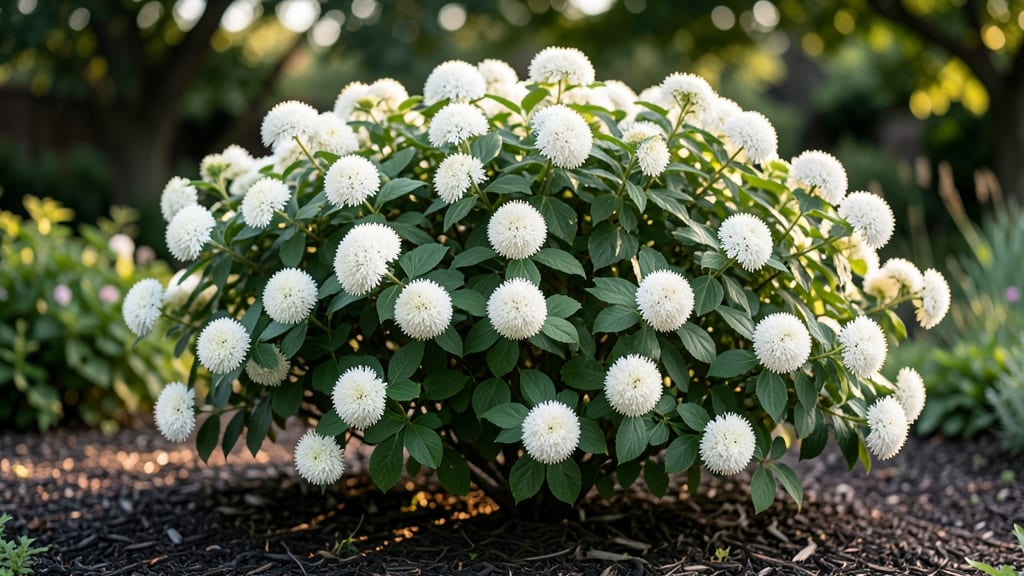
Doublefile viburnum's leaf is the secret weapon of low-maintenance privacy hedges. 🌿 I planted mine three years ago, and its glossy, layered foliage now blocks nosy neighbors while requiring almost no care—no pesticides, no fuss, just stunning year-round structure.
The leaves start deep green in spring, then shift to bronze-red in fall, creating a natural seasonal show. Their elliptical shape and overlapping arrangement create that signature "doublefile" look, perfect for narrow spaces where traditional hedges fail. Unlike many shrubs, it handles drought, shade, and urban pollution like a champ.
You'll love how it stays compact (8–12 feet tall) while filling space quickly—ideal for tight yards or urban lots. The fragrant white flowers in spring are just the cherry on top, but the real star is that pest-proof foliage that never wilts or yellows.
Works in zones 5–8, thrives in partial shade, and needs minimal pruning—just shape it lightly after flowering. Here's how to grow it without the guesswork!
📚 In This Guide
- What you need
- Instructions
- Tips and common mistakes
- Wrapping up and next steps
What you need
- ● Doublefile Viburnum plants: 3–5 mature plants (spaced 3–5 ft apart for dense hedges). Choose Viburnum plicatum 'Tomentosum' or similar cultivars for best results.
- ● High-quality soil: 1–2 cubic yards of well-draining, slightly acidic soil (pH 5.0–6.5). Mix in compost for nutrients.
- ● Organic mulch: 2–3 inches of wood chips or shredded bark to retain moisture and suppress weeds.
- ● Pest-resistant fertilizer: Slow-release, balanced (10-10-10) or organic options like fish emulsion (follow label rates).
- ● Pruning shears: Sharp, bypass-pruners (for shaping and pest control).
- ● Gloves & long sleeves: Protect against thorns and sap irritation.
- ● Tape measure: Ensure proper spacing (3–5 ft between plants).
- ● Garden hose or watering can: Deep-water plants 1–2 times weekly (more in drought).
- ○ Neem oil or insecticidal soap: Optional for preemptive pest control (e.g., aphids, spider mites).
- ○ Stakes & twine: Optional for young plants in windy areas.
- ○ Soil pH test kit: Optional to verify acidity before planting.
How to plant and maintain doublefile viburnum for lush privacy
This fast-growing, pest-resistant shrub delivers year-round greenery with minimal fuss—here's how to establish it properly.
🌱 Step 1: Choose the Perfect Planting Location
Doublefile viburnum thrives in partial shade to full sun, making it ideal for northern exposures where other shrubs struggle. I always look for spots with 4-6 hours of morning sun and afternoon shade—this prevents leaf scorch while maintaining dense growth. Avoid areas where snow piles in winter, as heavy accumulation can damage tender branches.
Test your site's moisture by digging a 6-inch hole—if water pools after 30 minutes, you'll need to amend the soil with 2 inches of compost to improve drainage. The shrub tolerates a range of soil types, but it performs best in slightly acidic to neutral pH (6.0-7.0). A simple soil test kit confirms this before planting.
🪴 Step 2: Plant with Proper Spacing and Soil Prep
Dig a hole twice as wide as the root ball but only as deep—the top of the root ball should sit 1 inch above ground level to prevent crown rot. Gently loosen the roots if they're circling and place the plant at a 45-degree angle for stronger anchoring. I always water the root ball thoroughly before planting to reduce transplant shock.
Backfill with native soil mixed with 1 part compost to the original hole's depth, tamping lightly every 2 inches to eliminate air pockets. Space plants 4-6 feet apart for full coverage—closer spacing leads to crowded, leggy growth. Water deeply immediately after planting to settle the soil and remove the saucer from the pot to prevent waterlogging.
☀️ Step 3: Establish Watering and Mulching Routines
Water twice weekly for the first 2 months, providing 1-2 gallons per plant each time until the soil feels 3 inches deep and moist. After establishment, viburnum becomes drought-tolerant, but young plants need consistent moisture to develop strong roots. I check soil moisture by inserting a finger—if it feels dry at 1 inch, it's time to water.
Apply 2-3 inches of mulch (wood chips or shredded bark) around the base, keeping it 3 inches away from the trunk to prevent rot. This conserves moisture, suppresses weeds, and regulates soil temperature. Replenish mulch annually in early spring—this is the moment that matters most for long-term health.
✂️ Step 4: Prune Strategically for Density and Shape
Prune in late winter or early spring before new growth begins, removing one-third of the oldest stems at the base to encourage vigorous regrowth. I always use clean, sharp pruners to make cuts at a 45-degree angle just above a bud. Avoid heavy pruning in fall—this can stimulate tender growth that won't survive winter.
For shaping, trim back overly long branches by one-third to maintain a compact form. Doublefile viburnum responds well to pruning, so you can shape it into a hedge or allow it to grow naturally. Watch for suckers at the base—remove these promptly to direct energy into the main plant structure.
🌿 Step 5: Monitor for Pests and Diseases
Doublefile viburnum is naturally pest-resistant, but I still inspect leaves monthly for signs of scale, spider mites, or aphids. A strong spray of water usually dislodges soft-bodied pests, and neem oil applied in early spring prevents infestations. Avoid chemical treatments—they can harm beneficial insects and disrupt the plant's natural defenses.
Watch for leaf spot or powdery mildew in humid conditions, which appear as yellow-brown spots or white powdery patches. Improve airflow by thinning dense areas and water at the base rather than overhead. If problems persist, remove affected leaves and apply copper fungicide as a last resort.
Tips & tricks for perfect doublefile viburnum growth
These pro insights will help you cultivate a thriving, pest-resistant privacy screen that outshines other shrubs.
Location Insight: The 4-6 hours of morning sun recommendation isn't just about sunlight—it's about timing. Morning sun provides gentle warmth that prevents leaf scorch while afternoon shade protects tender foliage. I've seen plants in full afternoon sun develop crispy edges by midday, so if you're working with limited shade options, prioritize morning light exposure above all else.
Soil Prep Secret: That 6-inch hole test reveals more than just drainage—it shows how quickly your soil absorbs water. If water disappears within 30 minutes, your soil is likely sandy and needs the full 2 inches of compost to retain moisture. For clay-heavy soils where water pools, mix in perlite instead of compost to improve aeration while maintaining the slightly acidic to neutral pH range.
Watering Wisdom: The twice-weekly watering schedule assumes average spring/fall conditions. In summer heat, increase to three times weekly while monitoring that 3-inch soil moisture depth. I've learned this the hard way—underwatering causes leaf drop, while overwatering leads to root rot. The finger test at 1-inch depth becomes your best friend during extreme weather.
Pruning Precision: When removing one-third of the oldest stems in late winter, focus on stems thicker than your thumb—these are the ones stealing energy from new growth. I always prune on dry days when buds are still dormant, using sterilized pruners to prevent disease transmission between cuts. The 45-degree angle above a bud ensures water runs off rather than pooling at the cut.
Pro Tips for Doublefile Viburnum Leaf
- These pro insights will help you cultivate a thriving, pest-resistant privacy screen that outshines other shrubs.
- Location Insight: The 4-6 hours of morning sun recommendation isn't just about sunlight—it's about timing.
- Soil Prep Secret: That 6-inch hole test reveals more than just drainage—it shows how quickly your soil absorbs water.
Frequently asked questions
Got questions about doublefile viburnum leaf? You’re not alone! This resilient shrub is a favorite for privacy screens, but gardeners often wonder about care, pests, and more. Here are answers to the most common queries to help you grow a thriving hedge.
What’s the best time to prune doublefile viburnum for privacy?
Prune your doublefile viburnum in late winter or early spring (before new growth starts) to shape it for year-round privacy. Avoid heavy pruning in fall—it can stimulate tender new growth that may frost damage. For quick results, light trims after flowering (summer) also work, but prioritize spring for long-term structure.
Are doublefile viburnum leaves prone to pests or diseases?
One of its biggest perks! This shrub is highly pest-resistant, but watch for scale insects or leaf spot in humid climates. Improve airflow by spacing plants 3–4 feet apart, and remove infected leaves promptly. Aphids are rare but can be treated with a strong spray of water or insecticidal soap if spotted.
Can doublefile viburnum survive harsh winters?
This hardy shrub thrives in USDA Zones 5–9 and tolerates cold snaps down to -20°F. For extra protection in Zone 5, add a 2–3 inch layer of mulch around the base in late fall. Young plants may benefit from burlap wraps in extreme winds, but mature shrubs are tough as nails.
How fast does doublefile viburnum grow for a quick privacy screen?
Expect 12–24 inches of growth per year, making it a moderate-to-fast grower. To speed up a screen, plant shrubs 3–4 feet apart in a staggered row. For faster coverage, layer with boxwoods or holly in the front row—both fill gaps well while you wait for the viburnum to fill in.
What’s a good alternative if doublefile viburnum isn’t available?
If you’re craving a pest-resistant, evergreen privacy shrub, try:
- Emerald Green Arborvitae (fast-growing, deer-resistant)
- Dwarf Fountain Boxwood (compact, dense foliage)
- Inkberry Holly (native, glossy leaves, wildlife-friendly)
Wrapping up and next steps
Doublefile viburnum leaf isn’t just a pest-resistant powerhouse—it’s your ticket to effortless, year-round privacy with minimal fuss. Whether you’re battling aphids, deer, or just the occasional squirrel, this hardy perennial delivers beauty and resilience. 🌿✨
Ready to transform your space? Start by gathering your supplies, then dive into planting and maintenance—your future shade and serenity await! Take the first step today!