
Leaf Blower
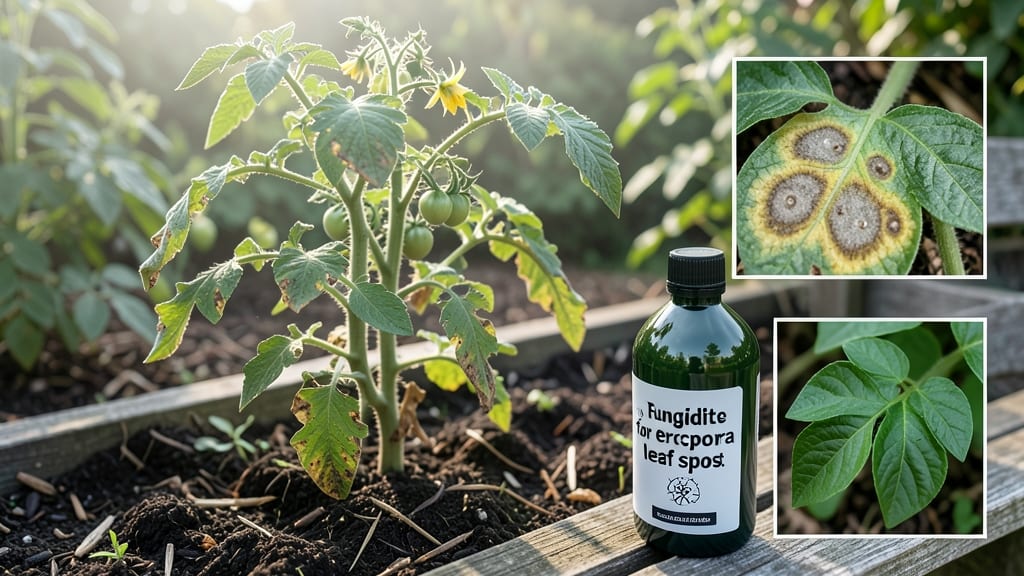
**The best fungicide for leaf spot caused by Cercospora stops this destructive disease before it turns your garden into a battleground of brown spots. 🌿 I’ve seen this fungus spread like wildfire—turning vibrant foliage into a skeleton in weeks—until I learned the right treatments to apply at the first sign of trouble.
This isn’t just about spraying chemicals; it’s about timing, prevention, and choosing the right products. Copper-based sprays, neem oil, and even homemade baking soda mixes can work if you catch it early. The key is acting fast—before the spots turn yellow and drop leaves entirely.
You’ll learn which plants are most vulnerable (tomatoes, beans, and turfgrass top the list), how to identify the disease before it spreads, and exactly when to spray for maximum protection. No more helplessly watching your garden decline.
By the end, you’ll have a foolproof plan** to keep your plants healthy all season—no more panic when you spot the first brown mark. Let’s get started!
Understanding Fungal Invasion
Cercospora leaf spot isn’t just a random bad luck scenario—it’s the result of a perfect storm of environmental and biological factors working against your plants. If you’ve ever watched healthy leaves transform into a patchwork of brown, tan, or gray spots with yellow halos, you’re dealing with the Cercospora fungus.
This stubborn pathogen thrives in specific conditions, and understanding why it strikes is the first step to stopping it in its tracks. Let’s break down the key culprits behind its spread.
The Cercospora fungus is a warm-weather opportunist. It loves temperatures between 77–86°F (25–30°C), paired with high humidity or frequent rainfall. Here’s why:
- Spores germinate fast: When humidity stays above 90% for prolonged periods, fungal spores land on leaves and germinate within 4–6 hours. Think of it like a sponge soaking up water—your plants become the perfect breeding ground.
- Slow leaf drying: If leaves stay wet overnight (from dew, sprinklers, or rain), the fungus has a 24–48 hour window to infect before conditions become unfavorable. Pro tip: Morning watering encourages evening dampness—always water early in the day to let foliage dry.
- Stagnant air: Poor airflow (common in dense plantings or greenhouses) traps moisture, creating a microclimate that accelerates spore growth. Solution: Prune for airflow and use fans in greenhouses.
A healthy plant is like a fortress with high walls—Cercospora struggles to break through. But when plants are stressed or compromised, their defenses crumble. Common triggers include:
- Nutrient deficiencies:
- Low nitrogen (N): Weakens leaf tissue, making it easier for spores to penetrate.
- Calcium or potassium (K) shortages: Reduce cell wall strength, leaving gaps for fungal invasion.
- Physical damage: Wounds from hail, insects (like aphids or spider mites), or even rough handling create entry points for spores.
- Overwatering or drought stress: Both extremes disrupt a plant’s ability to fight off pathogens. Pro tip: Aim for consistent soil moisture—neither soggy nor bone-dry.
- Poor air circulation: Crowded plants or thick canopies trap moisture and block sunlight, creating ideal fungal hotspots.
Cercospora spores can linger in dead plant debris for months, waiting for the right moment to strike. Here’s how overgrown or neglected areas become breeding grounds:
- Debris buildup: Leaves, stems, or old mulch harbor spores over winter. Solution: Clear out plant waste before spring and compost it away from garden beds.
- Monoculture plantings: Growing the same susceptible crops year after year (like tomatoes, cucumbers, or beans) lets the fungus build up in the soil. Fix: Rotate crops annually and avoid planting vulnerable species in the same spot.
- Thatch or thick mulch: A layer of organic matter traps moisture against the soil, creating a fungal-friendly zone. Adjust: Use 2–3 inch mulch layers and keep them dry.
Fungal spores are lightweight travelers. Once airborne, they hitch rides on wind, water, or even garden tools, spreading to new hosts faster than you can say “leaf spot.”
- Wind dispersal: Spores can travel miles in gusts, landing on healthy plants. Prevent spread: Avoid working in infected areas when windy, and sanitize tools with a 10% bleach solution between uses.
- Splashing water: Overhead irrigation or rain splashes spores from soil or infected leaves onto upper foliage. Switch to: Drip irrigation or soaker hoses to keep leaves dry.
- Contaminated tools or hands: Pruners, gloves, or even shoes can carry spores from plant to plant. Always: Clean tools with rubbing alcohol or bleach after each use.
Now that you know the why behind Cercospora leaf spot, the next step is action. The good news? With the right fungicides, cultural fixes, and vigilance, you can starve out this fungus before it ruins your harvest.
Stay tuned for our deep dive into preventive strategies and fast-acting treatments!
How to Fix Fungal Leaf Damage
Cercospora leaf spot doesn’t have to ruin your garden—with the right steps, you can stop the spread, heal your plants, and prevent future outbreaks. Below, we break down practical fixes based on the root cause, from quick fixes to long-term prevention. Let’s get your greenery back in shape!
---
Cause: Fungal spores spread through water, wind, and tools. Fix: - Snip and toss yellow or spotted leaves before spores spread. Use pruners dipped in 70% isopropyl alcohol to avoid cross-contamination. - Dispose of debris in a sealed trash bag—do not compost infected plant material. - Pro tip: 💡 Check the undersides of leaves first—spots often start there!
---
Cause: Overhead watering or wet foliage creates the perfect fungal buffet. Fix: - Water at the base (not leaves) in the early morning so foliage dries by night. - Use drip irrigation or soaker hoses to keep leaves dry. - Avoid late-watering—wet leaves overnight = fungal party time. - Pro tip: 🌡️ If humidity is high (60%+), space plants wider for airflow.
---
Cause: Cercospora thrives when left unchecked—early treatment is key. Fix: - Copper-based fungicides (like copper hydroxide) are organic and effective for prevention. - Systemic fungicides (e.g., chlorothalonil or propiconazole) stop fungal growth inside the plant. - Spray preventatively every 7–14 days during humid seasons (or after rain). - Pro tip: ✨ Mix baking soda spray (1 tsp baking soda + 1 tbsp oil + 1 gallon water) as a low-cost preventative for mild cases.
---
Cause: Weak plants are easier targets for fungi. Fix: - Fertilize properly—too much nitrogen = soft, fungus-loving leaves. Use a balanced 10-10-10 or low-nitrogen organic fertilizer. - Mulch with compost (2–3 inches) to improve soil health and reduce spore splash. - Rotate crops if growing susceptible plants (like cucumbers or beans) in the same spot yearly. - Pro tip: 💪 Neem oil spray (2 tbsp neem oil + 1 tsp soap per gallon of water) strengthens plant defenses and deters fungi.
---
Cause: Fungal spores linger in soil and tools. Fix: - Sterilize tools with rubbing alcohol or a 10% bleach solution between uses. - Rotate fungicides if using chemicals to avoid resistance. - Plant resistant varieties (e.g., cucumber ‘Poona Kheera’ or bean ‘Contender’). - Pro tip: 🎯 Plant marigolds or garlic nearby—they naturally repel fungi and pests!
--- Final Note: Consistency is key! Check plants weekly, act fast at the first sign of spots, and combine prevention + treatment for the best results. Your garden will be spot-free and thriving in no time! 🌱💚
Frequently asked questions about Cercospora leaf spot fungicides
What are the best organic fungicides for treating cercospora leaf spot?
Copper-based sprays like copper hydroxide or copper sulfate are the most effective organic options. Apply them preventatively every 7–14 days during humid weather or after rain. For a budget-friendly alternative, try a baking soda spray (1 tsp baking soda + 1 tbsp oil per gallon of water). Always test on a small area first.
Can I use the same fungicide repeatedly without causing resistance?
No, rotating fungicides is crucial to prevent resistance. Alternate between copper-based sprays, neem oil, and potassium bicarbonate solutions. If using chemical fungicides like chlorothalonil, follow label instructions for application intervals. Always combine treatments with cultural practices like proper spacing and watering.
How soon should I treat cercospora leaf spot after seeing symptoms?
Act immediately at the first sign of spots—don’t wait! Early treatment gives you the best chance of stopping spread. Spray fungicides within 24 hours of noticing symptoms, and repeat every 7–14 days during humid conditions. Remove all infected leaves and sterilize pruners to prevent further contamination.
Will fungicides work if my plants are already heavily infected?
Fungicides are most effective as a preventive measure, but they can still help reduce further spread on heavily infected plants. For severe cases, combine fungicides with pruning out all infected foliage and improving airflow. Consider replacing severely damaged plants if they’re not critical crops. Focus on preventing spread to healthy plants.
Can I use fungicides on all plants, or are some unsafe?
Most fungicides are safe for edible plants when used according to label instructions, but always check specific product guidelines. Avoid using copper-based sprays on acid-loving plants like blueberries or azaleas. For vegetables, organic options like neem oil or potassium bicarbonate are generally safer. When in doubt, start with a small test area.