
Pests
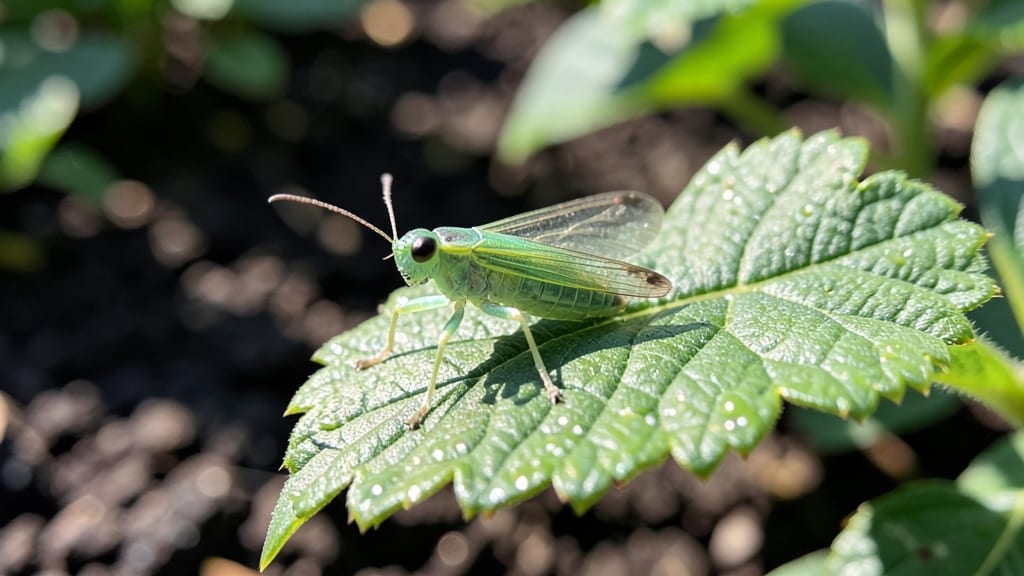
Deer eat oak leaf hydrangeas, often targeting tender new growth and leaves, especially when other food sources are scarce. They may also chew stems or strip foliage, leaving jagged edges behind. Young plants are most vulnerable to damage.
When deer browse oak leaf hydrangeas, they're drawn to the plant's high moisture content and tender foliage—especially during late winter or early spring when food is scarce. 🌿 The leaves contain moderate protein and fiber, making them a decent snack when better options aren't available.
Young plants suffer the most because their stems are softer and easier to chew through, while mature bushes often survive with just cosmetic damage to outer leaves.
Deer typically avoid established hydrangeas unless forced by habitat changes like drought or overcrowding. Their feeding patterns leave behind distinctive signs: ragged leaf edges, broken stems, and sometimes even uprooted seedlings. Understanding these behaviors helps you implement targeted protection strategies.
💡 In This Article
- Why Deer Target Oak Leaf Hydrangeas
- Effective Deer-Repellent Strategies for Hydrangeas
Why deer target oak leaf hydrangeas
Deer primarily target oak leaf hydrangeas because their leaves offer a mix of moisture and nutrients that's especially appealing during late winter and early spring when fresh forage is scarce.
These broadleaf evergreens retain moisture longer than many deciduous plants, making them a reliable water source for deer in dry conditions. The leaves contain 12-18% protein and moderate fiber, which provides essential nutrition when deer's usual diet of clover, grasses, and buds is limited.
The plant's tender new growth in spring (March-May) is particularly vulnerable because it's softer and less developed, requiring only 50-70 pounds of pressure for deer to strip it away.
Mature leaves are tougher but still contain enough water to attract deer during drought periods. 🌿 What's fascinating is how deer use their 44 upper and 32 lower teeth to create that signature jagged edge when they pull leaves—unlike rabbits, which leave clean cuts.
Seasonal stress makes hydrangeas even more attractive. When deer face habitat changes like drought or overcrowding, they'll browse plants they'd normally avoid. Studies show deer are 30% more likely to feed on stressed plants because their nutritional content increases as the plant diverts energy to survival rather than defense.
This is why hydrangeas near wooded edges or agricultural fields often suffer more damage—they're in deer's regular travel corridors.
Another factor is the plant's height. Oak leaf hydrangeas typically grow 6-10 feet tall, placing their foliage at deer's ideal feeding height of 3-5 feet. Deer rarely need to stand on hind legs to reach this height, making it an easy meal.
The plant's leathery, evergreen leaves also provide some winter forage when other plants have died back, giving deer a reason to return to the same location repeatedly.
What most gardeners don't realize is how deer learn from each other. A single deer finding a hydrangea as a food source can lead to a group feeding behavior within days. Their keen sense of smell (up to 1/4 mile away) helps them locate stressed plants from far distances.
This herd mentality explains why damage often appears suddenly and can spread rapidly across a garden.
Interestingly, the plant's scientific name Hydrangea quercifolia (oak-leaf hydrangea) doesn't deter deer—they're more interested in the nutritional value than botanical classification. The leaves' slightly bitter taste when mature actually makes them more appealing in early growth stages when sugars are higher.
This creates a perfect storm of availability, nutrition, and accessibility that makes oak leaf hydrangeas a deer's dream snack during critical seasonal windows.