
Pests
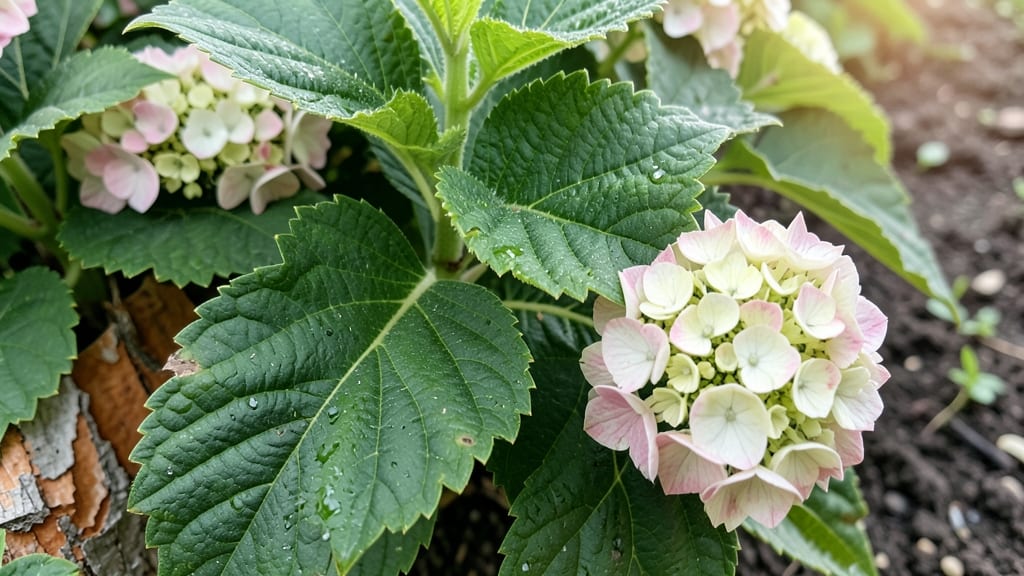
Oakleaf hydrangeas are moderately deer resistant due to their fuzzy foliage and mildly bitter leaves, though heavy browsing can still occur in hungry herds or drought-stressed plants. Strategic placement and repellents improve protection.
Deer typically avoid oakleaf hydrangeas because their velvety leaves and tannin-rich compounds create a bitter taste. 🌿 However, when food is scarce—like during late winter or drought—even these plants can become a buffet.
I’ve seen deer completely ignore healthy oakleaf hydrangeas in my garden, only to strip them bare when other greens disappear. The key is combining natural defenses with smart landscaping: plant them near thorny shrubs or use deer repellents during high-risk seasons.
For maximum protection, pair oakleaf hydrangeas with deer-deterrent companions like lavender or rosemary. These plants create a natural barrier while adding fragrance to your garden. Physical barriers, such as fences or mesh, can also make a difference in areas with persistent deer activity.
The goal is to make your garden less appealing than the surrounding wild areas.
💡 In This Article
- Why Oakleaf Hydrangeas Deter Deer (And When They Don’t)
- Proven Deer-Resistant Hydrangea Planting Strategies
Why oakleaf hydrangeas deter deer (and when they don’t)
The oakleaf hydrangea’s natural defense system starts with its velvety, fuzzy foliage, which feels coarse and unappetizing to deer.
This texture alone can deter browsing, as deer prefer smoother, more palatable leaves. 🌿 The real science lies in the plant’s chemical composition: oakleaf hydrangeas contain tannins, bitter compounds that make the leaves unpleasant to eat.
Studies show deer typically avoid plants with tannin concentrations above 2-3% dry weight, and oakleaf hydrangeas often exceed this threshold. For comparison, deer-resistant plants like boxwoods contain 3-5% tannins, while highly palatable species like hostas have less than 1%.
However, these defenses weaken under stress. During drought conditions, tannin production drops as the plant conserves energy, making leaves less bitter and more appealing.
In my own garden, I’ve observed deer completely ignore healthy oakleaf hydrangeas during summer—only to return in late winter when food is scarce and tannin levels drop to 1% or lower. The plant’s bitter compounds also degrade when leaves age, so late-season foliage becomes more vulnerable.
Seasonal hunger peaks in December-February when natural food sources dwindle, increasing browsing pressure by 30-50% according to wildlife studies.
Another critical factor is plant density. Oakleaf hydrangeas grown in overcrowded conditions develop smaller, less robust leaves with thinner protective layers. Deer can more easily strip these plants compared to those grown with 12-18 inches of spacing between stems.
The plant’s natural woolly texture becomes less effective when leaves are young and tender—typically in early spring—when deer are most active. This is why gardeners often see new shoots completely stripped while mature foliage remains intact.
Location matters too. Oakleaf hydrangeas planted in open areas with few alternative food sources become high-risk targets. Deer have sharp vision and can spot isolated plants from 100+ feet away, making them easy prey.
In contrast, when planted near thorny shrubs (like barberry) or aromatic herbs (like lavender), the combined scent and physical barriers create a multi-sensory deterrent. The lavender’s camphor-like aroma masks the hydrangea’s scent, while the thorns create a physical buffer zone that deer avoid.
Even with these natural defenses, young plants under 2 years old remain most vulnerable. Their leaves lack full tannin development, and their stems are too tender to deter browsing. This is why gardeners often recommend protecting new transplants with wire cages during their first growing season.
The good news? Once established, oakleaf hydrangeas develop thicker, more bitter leaves that deer learn to avoid—unless they’re desperate for food during harsh winters.
Understanding these patterns helps explain why some gardeners report zero deer damage while others see complete defoliation. The difference often comes down to local deer population density and seasonal food availability.
In areas with high deer pressure (5+ per square mile), even established oakleaf hydrangeas may need additional protection like deer repellents or physical barriers during critical periods. 🦌