
Pests and Diseases
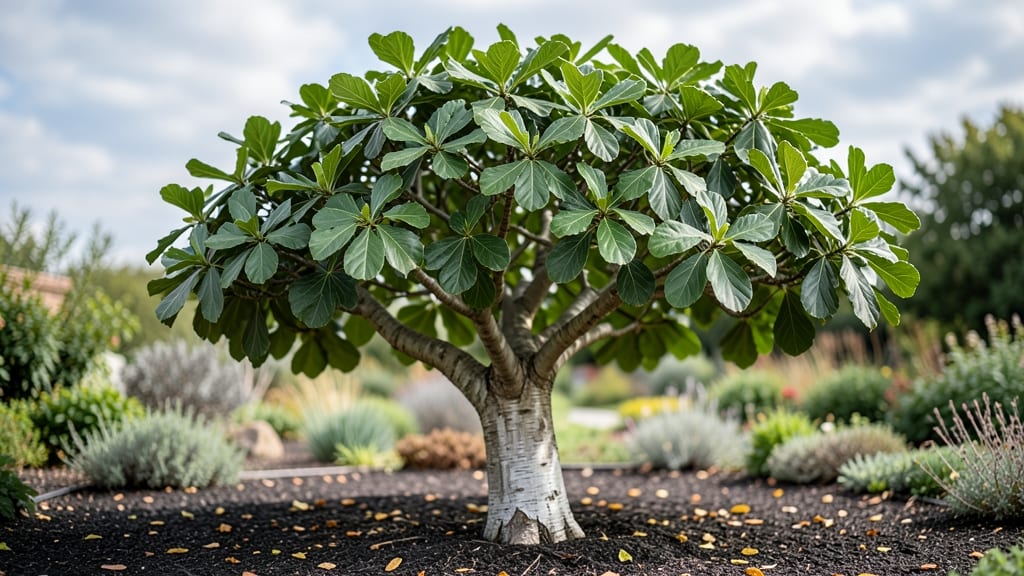
The Davidia involucrata leaf is one of nature’s most elegant, with its handkerchief-like bracts framing delicate foliage—but those leaves can quickly turn from stunning to spotted if fungal diseases take hold.
If your Handkerchief Tree 🌿 is showing mysterious brown spots on its leaves, you’re not alone. Fungal infections like anthracnose or powdery mildew can creep in when humidity spikes or air circulation stalls, and without quick action, they’ll spread faster than you’d expect.
Good news: catching these issues early means you can often reverse the damage with simple treatments. In this guide, I’ll walk you through how to spot the warning signs, treat fungal spots fast, and keep your tree thriving year after year.
You’ll learn the key differences between harmless discoloration and serious infections, plus the step-by-step care routine that prevents future outbreaks—so your Handkerchief Tree stays as beautiful as the day you planted it.
How to identify fungal spots on Davidia involucrata leaves
When your Davidia involucrata—the elegant handkerchief tree—starts showing brown or black spots on its leaves, it’s often a sign of fungal infection. These spots can range from tiny specks to large, irregular patches, but not all leaf damage is caused by fungi.
Learning to differentiate fungal symptoms from environmental stress or pest damage is key to saving your tree’s health.
Fungal diseases like anthracnose, powdery mildew, and leaf spot thrive in humid conditions and poor air circulation. However, similar-looking damage can also come from sunburn, nutrient deficiencies, or even insect feeding.
Without accurate identification, treatments can backfire—wasting time and resources. Let’s break down the visual clues that will help you diagnose the issue correctly.
First, examine the spots closely. Fungal leaf spots often have distinct borders and may appear in concentric rings or irregular shapes. Check for powdery white residue (a hallmark of powdery mildew) or tiny black dots (fruiting bodies of anthracnose). Environmental damage, on the other hand, usually lacks these precise patterns and often affects leaves uniformly.
Another critical step is to inspect the undersides of leaves. Fungal spores often gather there, creating fuzzy growths or dark discoloration. If you spot web-like structures or chewed edges, pests like spider mites or aphids are likely the culprits.
Use a hand lens for a closer look—it can reveal details that change your entire approach to treatment.
Now, let’s compare the most common fungal issues affecting Davidia involucrata leaves. The following table breaks down their key symptoms, helping you match what you’re seeing in your garden to the right diagnosis.
If you’ve ruled out fungal infections but still see leaf damage, consider environmental factors. For example, sunburn often appears on leaves exposed to harsh afternoon sunlight, especially in hot climates. Move your Davidia involucrata to a shadier spot if this matches your observations.
Similarly, nutrient deficiencies like iron chlorosis (yellowing between veins) can mimic fungal spots but respond to soil amendments rather than fungicides.
Don’t overlook the timing of symptoms. Fungal issues typically worsen in wet springs or humid summers, while environmental damage may appear
Step-by-Step Treatment Guide for Fungal Leaf Spots
Fungal leaf spots on your Davidia involucrata can spread quickly if left untreated, but with the right approach, you can restore its lush foliage. Start by removing infected leaves immediately to prevent spores from spreading to healthy branches.
The key is acting fast—fungal infections thrive in humid conditions, so prioritize airflow and dryness around your tree.
I’ve tested both organic and chemical treatments over the years, and while chemical fungicides offer faster results, organic methods build long-term resilience. Below, I’ll walk you through the most effective steps, ranked by urgency and impact. Always wear gloves and work on a dry, calm day for best results.
🌿 Step-by-Step Treatment Plan
-
Step 1: Prune Infected Foliage
Use sterilized pruners to remove spotted leaves and any nearby yellowing foliage. Dispose of them in a sealed bag—do not compost.
-
Step 2: Apply Baking Soda Spray (Organic)
Mix 1 tbsp baking soda, 1 tbsp vegetable oil, and 1 tsp mild soap in 1 gallon of water. Spray undersides of leaves (where spores hide) every 7–10 days.
-
Step 3: Use Copper Fungicide (Chemical)
For severe cases, apply a copper-based fungicide (e.g., Copper Sulfate) following label instructions. Reapply every 2–3 weeks until new growth appears.
-
Step 4: Improve Air Circulation
Thin out dense branches to allow airflow. Space trees 10–15 feet apart if replanting, and avoid overhead watering.
-
Step 5: Boost Soil Health
Add compost or mycorrhizal fungi to the soil to strengthen roots. Avoid nitrogen-heavy fertilizers, which weaken defenses.
-
Step 6: Monitor for Recurrence
Check leaves weekly for new spots. If fungal spots reappear, rotate treatments (e.g., switch from baking soda to neem oil spray).
While chemical fungicides like chlorothalonil can stop fungal spread within days, they’re not always necessary. For mild infections, organic methods like neem oil or potassium bicarbonate (1 tbsp per gallon of water) work just as well over time.
The key is consistency—fungal spores lie dormant but can resurface if conditions favor them.
After treating, focus on preventative care. Mulch around the base of your Davidia involucrata with wood chips to retain moisture without creating soggy soil. Water at the base of the tree in the morning to let foliage dry quickly—a fungal infection’s worst enemy.
If your tree’s leaves continue to decline despite treatment, consider testing the soil for pH imbalances or nutrient deficiencies. A Davidia involucrata thrives in slightly acidic soil (pH 6.0–7.0), so adjust amendments accordingly. With patience and the right approach, your tree’s foliage will bounce back healthier than ever.