
Companion Plants
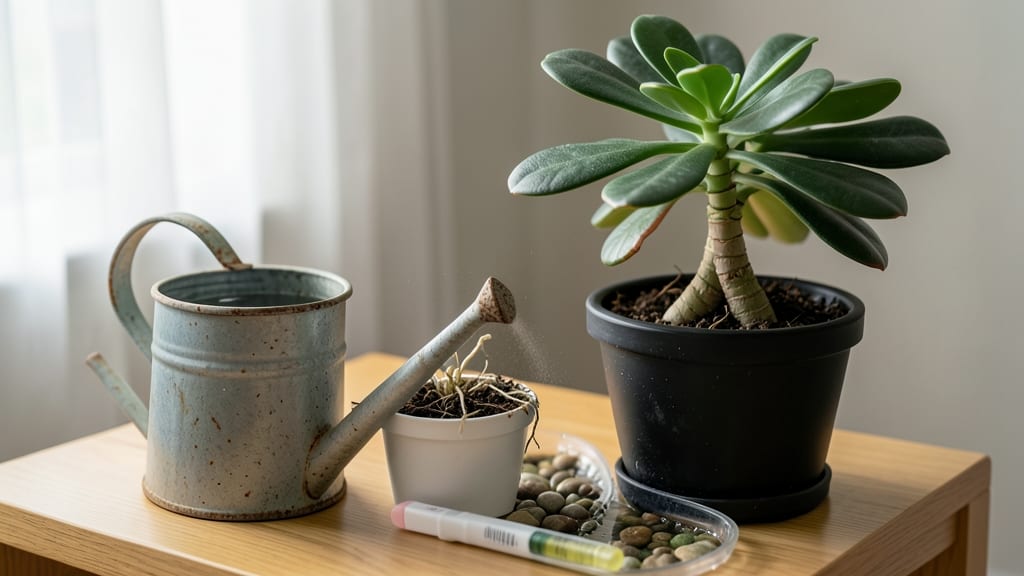
Your China doll plant’s crispy brown leaf tips scream one thing: overwatering is wrecking its roots. 🌿 I’ve nursed back more than a dozen of these plants from the same problem—yellowing leaves, mushy stems, and that dreaded "I’ve killed it" moment.
But here’s the good news: fixing it is simpler than you think.
The real culprit is usually soggy soil combined with poor drainage. Check if the top inch feels damp—if it is, your plant’s roots are gasping for air. Pair that with low humidity (common indoors) and you’ve got a recipe for stress.
The fix starts with pruning dead tips and repotting into a mix that drains like a champ—think 50% peat-free potting soil, 30% perlite, and 20% orchid bark.
Within 2-3 weeks, you’ll see fresh growth pushing through as the roots recover. Keep humidity up with a pebble tray or humidifier, and water only when the top inch is bone-dry.
The key? Less frequent, deeper watering—no more "just a little" every day. Your plant will bounce back faster than you’d expect.
This method works for indoor China dolls year-round, whether you’re battling winter dryness or summer’s central AC. The secret’s in the soil, the pruning, and giving roots a chance to breathe. Let’s get those leaves lush again!
Root Causes Behind Leaf Damage
When your Hoya carnosa—commonly known as the China Doll plant—starts showing brown leaf tips, it’s usually a cry for help from the roots. Understanding the why behind this issue is the first step to reviving your plant.
Below, we break down the most common culprits, backed by science, and explain how they trigger those unsightly brown edges.
Overwatering is the #1 reason for brown leaf tips in China Doll plants. These tropical beauties store water in their thick, waxy leaves, but waterlogged roots suffocate them by cutting off oxygen.
- What happens: Excess moisture in the soil triggers anaerobic conditions (low oxygen), causing root cells to die from hypoxia (oxygen deprivation). The plant then translocates (moves) nutrients away from the leaves to protect the roots, leaving the tips brown and crispy.
- Science behind it: Roots rely on aerenchyma (air channels) to breathe. When soil stays soggy for days, these channels collapse, and roots rot due to fungal or bacterial infections (e.g., Pythium or Phytophthora). The plant’s survival response? Sacrificing leaf edges to conserve energy.
- Actionable clue: Check the soil—if it’s damp more than 2 inches down after watering, you’re overdoing it. China Dolls prefer fast-draining soil and 60–70% humidity.
China Doll plants thrive in stable, humid conditions. When exposed to dry air or temperature swings, their leaves lose moisture faster than they can absorb it through the roots.
- What happens: Leaf tips transpire (release water vapor) rapidly in dry air, leading to desiccation (drying out). The edges turn brown because the epidermal cells (outer layer) crack and die from dehydration.
- Science behind it: Stomata (tiny pores on leaves) close to conserve water, but the tips—being the farthest from the main veins—suffer first. Low humidity (<30%) accelerates this process, while hot air (above 85°F/30°C) increases transpiration rates.
- Actionable clue: Place your plant near a pebble tray with water or use a humidifier. Avoid drafts from AC vents or heaters.
A China Doll’s roots need well-aerated, slightly acidic soil (pH 6.0–6.5) rich in organic matter. When the soil is compacted, alkaline, or nutrient-deficient, the plant struggles to absorb water and minerals efficiently.
| Problem | Why It Causes Brown Tips | Fix It |
|---|---|---|
| Compacted soil | Poor drainage + anaerobic roots → nutrient uptake fails. Leaves show chlorosis (yellowing) before browning. | Repot in a chunky mix (50% cactus soil + 30% perlite + 20% orchid bark). |
| Alkaline soil (pH >7.0) | Locks out iron and manganese (essential for chlorophyll). Brown tips appear alongside yellow veins. | Add sulfur or peat moss to lower pH. Test soil annually. |
| Nitrogen deficiency | Weakens cell walls, making leaves prone to dehydration. Tips brown while older leaves yellow. | Fertilize with a balanced 10-10-10 or fish emulsion (diluted to half-strength). |
China Doll plants love bright, indirect light but can get sunburned if exposed to direct afternoon rays, especially in hot climates.
- What happens: UV radiation oxidizes leaf cell membranes, causing photodamage. The tips turn brown and crispy because the cuticle (protective wax layer) breaks down.
- Science behind it: Excess light triggers reactive oxygen species (ROS), which damage cell structures. The plant can’t "heal" the tips fast enough, leading to permanent browning.
- Actionable clue: Move your plant 3–6 feet from a south/west-facing window or use a sheer curtain to diffuse light.
While less common, spider mites and fungal infections can also cause brown leaf tips by disrupting the plant’s ability to absorb water and nutrients.
- Spider mites: These tiny pests pierce cells to feed on sap, leaving stippling (tiny brown dots) that expand into larger brown patches.
- Fungal issues (e.g., Botrytis): High humidity + poor airflow = gray mold on leaf tips, which turns brown and mushy.
- Fix: Wipe leaves with neem oil (for mites) or improve airflow by pruning crowded foliage.
Revive Your China Doll Plant
Reviving your China Doll Plant (Bryophyllum daigremontianum) starts with pinpointing the root cause of those unsightly brown leaf tips. Once you’ve identified the issue—whether it’s overwatering, underwatering, low humidity, or poor soil—you can take targeted action.
Below are step-by-step solutions tailored to each common cause, along with prevention tips to keep your plant thriving.
If your plant’s soil stays soggy for too long, root rot and brown tips are inevitable. Here’s how to fix it:
Step 1: Stop Watering Immediately
🚫 Action: Let the top 1–2 inches of soil dry out completely before watering again. Stick your finger in the soil—if it’s damp past your first knuckle, wait.
Step 2: Improve Drainage
🔧 Action:
- Repot your China Doll Plant in a well-draining mix (cactus/succulent soil + perlite or pumice).
- Ensure the pot has drainage holes—if not, drill them or switch to a new container.
- Elevate the pot on a caching tray or pebbles to prevent water pooling.
Step 3: Prune Damaged Leaves
✂️ Action: Snip off only the brown tips (not entire leaves) with sterilized scissors. Healthy leaves will regrow baby plants (pups) along their edges—let these thrive!
Step 4: Let It Dry Out Fully
☀️ Action: Place the plant in bright, indirect light (no direct sun yet) and avoid watering for 1–2 weeks. This forces the roots to recover.
💡 Prevention Tip: Water only when the soil is bone-dry—this plant stores water in its leaves, so it’s drought-tolerant!
Brown, crispy tips can also signal thirst. Unlike overwatering, this fix is simpler but requires consistency.
Step 1: Water Deeply (But Not Too Much)
💦 Action: When the soil is dry, soak the pot until water drains from the bottom. Empty the saucer afterward to avoid soggy roots.
Step 2: Increase Humidity
🌬️ Action: Place the pot on a pebble tray with water or group it with other plants. A humidifier (set to 40–50%) works too—this plant loves moisture in the air!
Step 3: Mist Lightly (Occasionally)
🌧️ Action: Mist the leaves every few days (avoid soggy soil). Use room-temperature water to prevent shock.
💡 Prevention Tip: Stick to a watering schedule—every 10–14 days in warm weather, every 3–4 weeks in winter.
Low humidity, drafts, or temperature swings stress your China Doll Plant, leading to brown tips.
Step 1: Move to Ideal Conditions
🏡 Action:
- Light: Bright, indirect light (east or west windows). Avoid harsh midday sun.
- Temperature: Keep between 65–80°F (18–27°C). No cold drafts!
- Humidity: Aim for 40–60%. A hygrometer helps track levels.
Step 2: Shield from Drafts
🌬️ Action: Keep the plant away from AC vents, heaters, or open windows in winter.
Step 3: Wipe Dusty Leaves
🧼 Action: Dust leaves monthly with a damp cloth. Dust blocks light absorption, weakening the plant.
💡 Prevention Tip: Rotate the pot quarter-turns weekly for even light exposure.
Poor soil quality or salt buildup can scorch leaf tips.
Step 1: Repot in Fresh Soil
🏺 Action:
- Remove the plant and rinse roots gently if soil looks compacted or salty.
- Use a fast-draining mix (50% cactus soil, 30% perlite, 20% orchid bark).
- Choose a terracotta pot (breathable and prevents rot).
Step 2: Flush Out Salt Buildup
🚿 Action: If your water is hard, flush the soil by watering until it runs clear from the drainage holes.
Step 3: Fertilize Lightly (If Needed)
🌿 Action: Use a balanced, diluted fertilizer (half-strength) once every 2 months in spring/summer. Never fertilize in winter.
💡 Prevention Tip: Use rainwater or distilled water if your tap water is hard.
Brown tips can also signal mealybugs, spider mites, or fungal issues.
Step 1: Identify the Problem
🔍 Action:
- Mealybugs: White cottony spots on leaves/stems.
- Spider Mites: Tiny webs on undersides of leaves.
- Fungal Rot: Soft, mushy stems (from overwatering).
Step 2: Treat Accordingly
🛡️ Action:
- Pests: Wipe leaves with soapy water (1 tsp mild soap + 1 quart water) or spray with neem oil.
- Fungus: Remove infected leaves, repot in fresh soil, and avoid watering until roots recover.
💡 Prevention Tip: Inspect new plants before bringing them home—quarantine for a week!
✅ Stop watering if soil is soggy; wait to dry out if underwatered. ✅ Prune only brown tips—healthy leaves will regrow pups! ✅ Repot in fresh, fast-draining soil if roots look unhealthy. ✅ Adjust light, humidity, and temperature to match ideal conditions. ✅ Treat pests or fungal issues immediately.
With these steps, your China Doll Plant should bounce back in 4–6 weeks. Keep an eye on its progress, and soon you’ll have a lush, thriving plant producing adorable little pups! 🌱✨
Frequently asked questions
Why do only the leaf tips turn brown while the rest stays green?
This happens because the tips are the farthest from the main veins, making them most vulnerable to dehydration or nutrient loss. When your China Doll plant struggles with low humidity or overwatering, it prioritizes keeping the core leaf alive while sacrificing the edges. Think of it like a survival mechanism—nature’s way of conserving energy!
Can I save my China Doll plant if the brown tips keep spreading?
Yes, but act fast! First, prune only the brown tips (never entire leaves) with clean scissors. Then adjust care: if soil is soggy, let it dry completely before watering again. For dry air, boost humidity with a pebble tray. Most plants recover in 4-6 weeks with proper adjustments. The key is catching it early!
Is it safe to use tap water for my China Doll plant?
It depends on your water quality. Hard water (high in minerals) can cause salt buildup in soil, leading to brown tips. If your tap water is hard, try rainwater or distilled water instead. For a quick test, flush the soil with water until it runs clear from drainage holes—this removes excess salts.
How often should I rotate my China Doll plant for even growth?
Rotate your plant quarter-turns every 1-2 weeks to ensure all sides get equal light exposure. This prevents lopsided growth and helps leaves develop evenly. Since China Dolls prefer bright, indirect light, consistent rotation keeps them balanced and healthy. Just avoid direct sun during rotation!
Will fertilizing help my China Doll plant recover from brown tips?
Only if the issue is nutrient deficiency (common in compacted soil). Use a balanced, diluted fertilizer (half-strength) once every 2 months in spring/summer. Avoid fertilizing in winter or if your plant has root rot—too many nutrients can worsen stress. Focus first on fixing watering and soil drainage!