
Leaf Blower
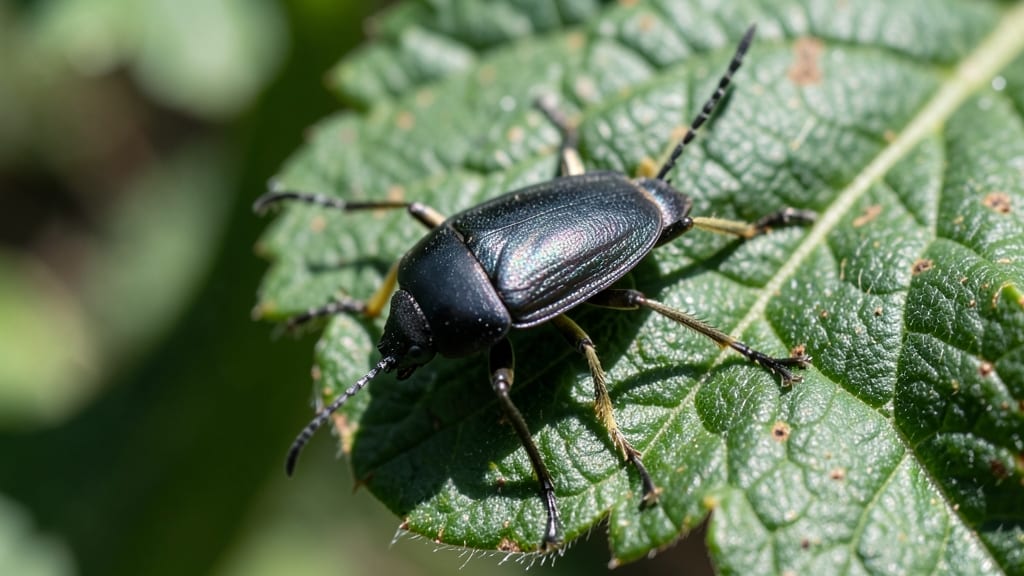
Those tiny black bugs devouring your tomatoes and peppers faster than you can say "harvest" are black leaf-footed bugs—and they’re about to meet their match. 🌱 I’ve battled these pests for years, and the organic traps I’ll share now stop them in their tracks without harming your plants or pollinators.
These bugs thrive in summer heat, sucking sap from leaves and fruit until plants look like lace. The damage? Stunted growth, deformed fruit, and a garden that looks like it’s been through a war. But here’s the good news: fast-acting organic traps work in days, not weeks.
You’ll see fewer bugs within 48 hours of setting up traps, and your tomatoes and peppers will recover with proper care. The key is acting early—once they’re established, they’re harder to control. Works for all common garden crops, from peppers to beans.
Let’s get them out of your garden for good!
Root Causes Of Infestations
Understanding why these pests invade your garden or home is the first step to stopping them effectively. The black leaf-footed bug (BLFB) thrives due to a mix of environmental and behavioral factors. Here’s why they show up—and how to prevent their arrival.
BLFBs are drawn to ripe, soft, or injured fruit because it’s an easy meal. Their piercing-sucking mouthparts make it simple to extract juices from overripe produce like tomatoes, peaches, and grapes. Even fallen fruit on the ground can attract them, turning your yard into a buffet.
Why it happens:
- Sugar-rich fruit signals high nutrition, triggering their feeding instincts.
- Damaged skin (from hail, birds, or pests) releases volatile organic compounds (VOCs) that act like a dinner bell.
- Overwatered plants produce softer fruit, making it easier for them to pierce and feed.
Actionable fix:
- Pick fruit promptly when it ripens (especially in late summer).
- Remove fallen fruit and debris weekly to eliminate food sources.
- Use row covers on vulnerable crops to block access.
These bugs don’t just target fruit—they also feed on plant sap, particularly from stressed or young vegetation. Common hosts include:
- Tomatoes, peppers, and eggplants (nightshade family)
- Soybeans, alfalfa, and other legumes
- Weeds like pigweed and smartweed (which they may prefer over crops)
Why it happens:
- Stressed plants (from drought, poor soil, or disease) have higher sugar content in their sap, making them more appealing.
- New growth is tender and easier to penetrate with their stylets.
- Weeds act as reservoirs, allowing populations to build before moving to crops.
Actionable fix:
- Rotate crops annually to disrupt their life cycle.
- Irrigate deeply but infrequently to reduce plant stress.
- Mulch heavily to retain moisture and suppress weeds.
BLFBs are warm-weather pests that seek shelter in:
- Dense foliage (like tomato plants or ivy)
- Cracks in bark, mulch piles, or woodpiles
- Structures near gardens (porches, sheds, or eaves)
Why it happens:
- Heat retention speeds up their metabolism, increasing reproduction rates.
- Hiding spots protect them from predators (birds, spiders, ladybugs).
- Overwintering sites (like leaf litter or bark) let them survive cold months to re-emerge in spring.
Actionable fix:
- Reduce ground cover near foundations to eliminate hiding spots.
- Store firewood and mulch away from garden edges.
- Prune dense foliage to improve airflow and visibility.
Unlike some pests, BLFBs have few natural enemies, making them harder to control organically. However, predatory insects like:
- Assassin bugs (which hunt them)
- Spiders (especially jumping spiders)
- Parasitic wasps (that lay eggs in their bodies)
Why it happens:
- Pesticide use can kill beneficial predators faster than the bugs themselves.
- Monoculture gardening reduces biodiversity, limiting natural checks.
- Late-season infestations outpace predator populations.
Actionable fix:
- Avoid broad-spectrum insecticides (they harm predators too).
- Plant companion flowers (like dill or fennel) to attract beneficial insects.
- Introduce ladybugs or lacewings (if local populations are low).
BLFBs hitchhike on:
- Firewood, nursery plants, or potted crops
- Secondhand gardening tools (contaminated with eggs)
- Wind or water (especially after storms)
Why it happens:
- Urban sprawl brings them closer to gardens.
- Global trade (e.g., infested plants shipped internationally) introduces new strains.
- Lawn equipment can unintentionally transport them between yards.
Actionable fix:
- Inspect new plants before bringing them home (look for tiny black bugs on stems).
- Quarantine infested plants away from the garden.
- Clean tools with rubbing alcohol between uses.
How to Fix Stubborn Garden Pests
If the black leaf-footed bug has already invaded your garden, don’t panic—there are fast, effective, and organic ways to reclaim your plants. Below, we break down solutions by cause, from immediate fixes to long-term prevention.
These methods are practical, easy to implement, and designed to keep your garden thriving without harsh chemicals.
🍳 Remove Infested Leaves & FruitThe first step is to stop the spread. Handpick any leaves, flowers, or fruit with visible damage (tiny black spots, wilting, or holes). Drop them into a sealed plastic bag and dispose of them in the trash—not the compost!
Bugs can’t survive without a food source, so removing their buffet is critical.
Pro Tip: 💡 Check the undersides of leaves—this is where these pests love to hide. Use a magnifying glass if needed!
👨🍳 Deploy Organic Traps & BarriersBlack leaf-footed bugs are attracted to sticky traps and reflective surfaces. Place yellow or blue sticky traps near affected plants to catch them before they lay eggs.
For a DIY barrier, wrap the trunks of young trees or shrubs with aluminum foil—the shine disorients them and makes it harder to climb.
Pro Tip: 🌡️ Time it right! Set traps in the early morning when bugs are sluggish and easier to catch.
🥘 Introduce Natural PredatorsLadybugs, lacewings, and parasitic wasps are the garden’s cleanup crew. Purchase or attract these beneficial insects by planting dill, fennel, or alyssum nearby. They’ll hunt down black leaf-footed bugs without harming your plants.
Pro Tip: ✨ Avoid pesticides—even "organic" ones can kill these helpful predators too!
🔪 Scrape Off Egg MassesFemale bugs lay eggs in clusters on stems, leaves, or bark. Inspect plants regularly (especially in spring and summer) and scrape off any egg sacs with a soft brush or your fingernail. Drop them into soapy water to kill them instantly.
Pro Tip: 🎯 Focus on new growth areas—this is where eggs are most likely to appear.
🌱 Use Kaolin Clay as a DeterrentMix kaolin clay (like Surround WP) with water and spray it on plants. The clay creates a physical barrier that bugs dislike, making it harder for them to lay eggs or feed. It’s safe for plants and won’t harm pollinators.
Pro Tip: 🔥 Reapply after rain—it washes off quickly!
🍎 Maintain a Clean GardenReduce hiding spots by:
- Removing weeds and debris (bugs love to nest here).
- Pruning overgrown branches to improve airflow.
- Keeping mulch away from plant stems (bugs hide in thick mulch layers).
Healthy plants are less appealing to pests. Water deeply but infrequently to encourage strong roots, and fertilize with compost or organic matter to boost natural defenses.
Pro Tip: 🌱 Choose resistant varieties like ‘Black Magic’ tomatoes or ‘Sweet 100’ peppers, which bugs tend to avoid.
📊 Monitor with DIY TrapsSet up homemade beer traps (bury a cup filled with beer near plants—bugs drown in it) or soapy water traps (mix 1 tbsp dish soap per gallon of water in a shallow dish). Check traps weekly and replace the liquid as needed.
With these targeted solutions, you can eliminate existing infestations and prevent future ones—all while keeping your garden chemical-free. Consistency is key, so stay vigilant and enjoy a pest-free harvest! 🌿
Frequently asked questions
How do I tell black leaf-footed bugs apart from other small black bugs in my garden?
Look for their distinctive cone-shaped heads and long, narrow thoraxes—they resemble tiny alligators! Their legs are also uniquely adapted for climbing, with the front pair ending in tiny claws. Check for tiny black fecal spots on leaves, which resemble pepper stains.
Can black leaf-footed bugs bite humans or pets?
While they don't seek out humans, they can deliver painful bites if provoked or crushed. These bites are rare but may cause localized swelling or itching. For pets, they're more likely to be an annoyance than a health risk, though large infestations could stress animals.
Why do these bugs appear suddenly in my garden after years of no problems?
They often hitchhike on new plants or firewood or arrive via wind currents. Climate changes can also expand their range—warmer winters mean more survivors. Check nearby weeds (like pigweed) where they may have been breeding undetected.
Will neem oil or other organic sprays actually work against black leaf-footed bugs?
Neem oil can help as a deterrent when applied directly to leaves, but it's not a complete solution. These bugs are hardened to many organic sprays—focus instead on removing food sources, using sticky traps, and introducing natural predators like assassin bugs.
How long does it take for organic control methods to show results?
With consistent application, you should see noticeable reductions in 3-5 days. For complete elimination, expect 2-3 weeks of daily monitoring and maintenance. The key is removing egg masses and food sources immediately while deploying traps.