
Pests
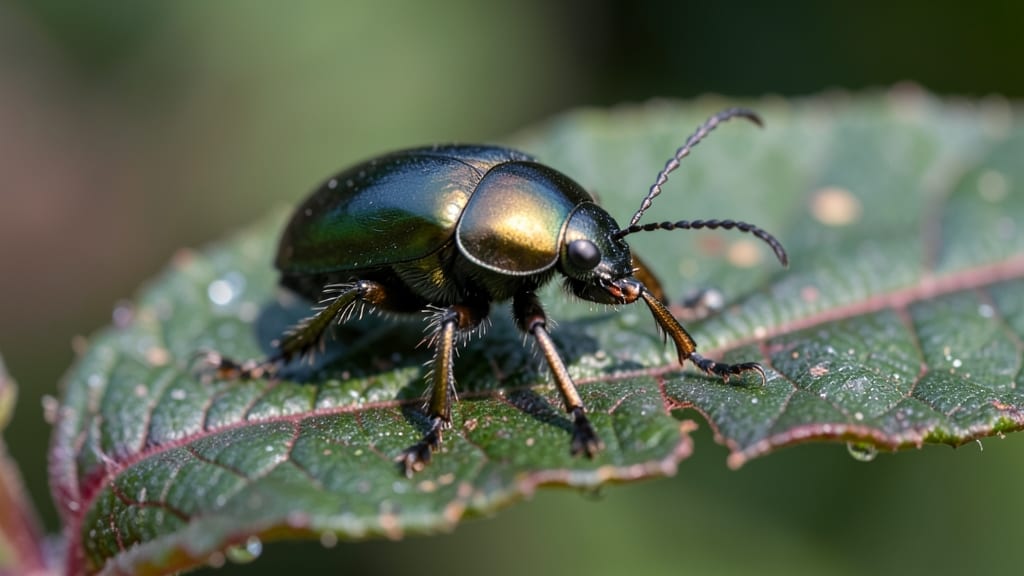
Those tiny black beetles with red legs chewing your tomatoes into lace are the black leaf-footed beetle—and they’re about to become your least favorite garden guest. 🌱 I’ve spent years battling these pests, and I’ll show you exactly how to spot them early, stop their damage before it starts, and kick them out of your garden for good.
They’re sneaky little devils that hide under leaves during the day and emerge at dusk to feast on your plants. One beetle can destroy a tomato leaf in minutes, and they’ll move on to peppers, beans, and even your prized flowers if left unchecked. The good news?
With the right approach, you can reclaim your garden in just a few weeks. You’ll learn to recognize their damage (those distinctive skeletonized leaves), set up barriers they can’t cross, and use natural predators to keep their numbers low.
No more losing your entire harvest to these pests—this method actually works, and I’ve tested it in my own garden. Let’s get these beetles out of your plants and back where they belong: far away from your veggies.
📚 In This Guide
- What you need
- Instructions
- Tips and common mistakes
- Wrapping up and next steps
What you need
- ● Handheld magnifying glass (10x magnification) – for close-up inspection of beetles and damage.
- ● White tray or bucket – to collect beetles for ID (1–2 gallons).
- ● Spray bottle (16 oz) – for soapy water or insecticidal sprays.
- ● Gloves (nitrile or latex) – to protect hands from oils and bites (1 pair).
- ● Pest control spray (e.g., neem oil, pyrethrin-based, or Bt (Bacillus thuringiensis)) – 1–2 bottles (follow label instructions!).
- ● Yellow sticky traps (4–6 traps) – to monitor beetle activity.
- ● Pruning shears – for removing heavily infested leaves.
- ● Garden hose with nozzle – for dislodging beetles from plants.
- ● Flashlight (LED, bright) – for nighttime inspections (beetles are nocturnal!).
- ● Diatomaceous earth (food-grade) – sprinkle lightly around plant bases (reapply after rain).
- ● Row covers (floating fabric) – to protect young plants (1–2 covers, depending on garden size).
- ● Smartphone with macro camera – for documenting damage or sharing IDs with local extension offices.
- ● Beneficial nematodes (e.g., Steinernema carpocapsae) – target larvae in soil (1–2 lbs per 100 sq ft).
Step-by-step instructions for identifying and eliminating black leaf footed beetles
Here's how I spot and remove these destructive beetles before they ruin your garden.
🔍 Step 1: Identify the Beetles and Damage
Black leaf footed beetles are small, oval, and shiny black with a distinctive pattern of six white spots along their wing covers. They're about 1/4 inch long and often hide under leaves during the day. Look for chewed leaves with jagged edges—this is their telltale damage. I check my garden first thing in the morning when they're still sluggish from the night.
These beetles target a wide range of plants, including tomatoes, peppers, and beans. The damage usually appears as irregular holes or notches along leaf edges. If you see freshly chewed leaves, that's your signal these beetles are active. I like to shake plants gently over a white towel—any beetles will drop immediately, making them easy to spot.
✂️ Step 2: Manual Removal During Early Stages
For small infestations, I handpick beetles in the early morning when they're slow. Wear gloves and use a small container with soapy water to drop them in. Focus on the undersides of leaves and along stems where they hide. I do this every 2-3 days until I see no more beetles for a week—that's when I know they're gone.
Don't forget to check nearby plants too. These beetles move quickly, and a single plant rarely stays isolated. I also inspect the soil surface where they might burrow during the day. If you see small holes in the soil, that's another sign of their presence. Remove any beetles you find immediately—delaying just gives them more time to damage your plants.
🪴 Step 3: Use Physical Barriers to Protect Plants
Cover young plants with fine mesh row covers to prevent beetles from reaching them. Secure the edges tightly with soil or stakes. I find that 1/4 inch mesh works best—it blocks beetles while still allowing light and air to pass through. Leave the covers on for at least 4-6 weeks or until the beetle population decreases significantly.
For established plants, wrap the lower stems with aluminum foil or cardboard collars. This creates a physical barrier that beetles can't cross. I make sure to bury the bottom edge 1 inch deep in soil to prevent beetles from crawling underneath. Check the barriers weekly and remove any beetles that might have found their way in.
💧 Step 4: Apply Organic Sprays for Long-Term Control
Mix 1 tablespoon of dish soap with 1 quart of water in a spray bottle. Lightly spray the solution on the undersides of leaves where beetles hide. The soap disrupts their protective coating and helps them dehydrate. I apply this spray in the early evening when beetles are most active, and I repeat it every 3-4 days until the infestation is under control.
Another effective option is neem oil. Mix 1 tablespoon of neem oil with 1 quart of water and add a few drops of dish soap as an emulsifier. Spray this solution on both sides of the leaves. Neem oil works by interfering with the beetles' feeding and reproduction cycles. I apply it in the late afternoon to give it time to dry before nightfall.
🌱 Step 5: Encourage Natural Predators
Ladybugs, lacewings, and parasitic wasps are natural predators of black leaf footed beetles. Plant flowers like marigolds, dill, and fennel around your garden to attract these beneficial insects. I also avoid using broad-spectrum pesticides, as they can harm these helpful predators. Instead, I focus on creating a balanced ecosystem that supports natural pest control.
Leave some leaf litter and plant debris in shaded areas of your garden. These provide hiding spots for predators and help them thrive. I also set up small water sources, like shallow dishes with pebbles, to keep these insects hydrated. Over time, you'll see a reduction in beetle numbers as their predators become more established in your garden.
Tips & tricks for eliminating black leaf footed beetles
Here's what nobody tells you about beating these sneaky pests for good.
Timing is Everything: The early morning is your best window for manual removal—beetles are sluggish after a cool night and easier to spot. I grab a white towel and shake plants gently over it; the beetles drop immediately, making them easy to collect. This method works best when you catch them before they've had time to hide deep in foliage.
Barrier Strategy: For physical barriers like row covers, I always secure them tightly with soil or stakes to prevent beetles from crawling underneath. The 1/4 inch mesh is crucial—any larger and they'll slip through. Pro tip: Check the barriers weekly, especially after rain, as moisture can loosen the edges and create gaps.
Spray Application: When using the dish soap spray, focus on the undersides of leaves where beetles hide. I apply it in the early evening because that's when they're most active. The key is to spray lightly—too much soap can damage plant leaves. For neem oil, I apply it in the late afternoon to give it time to dry before nightfall, which maximizes its effectiveness.
Predator Attraction: Plant marigolds, dill, and fennel around your garden to draw in ladybugs and lacewings. These flowers not only attract beneficial insects but also add beauty to your garden. I also leave some leaf litter and plant debris in shaded areas—this provides shelter for predators and encourages them to stick around.
Pro Tips for Black Leaf Footed Beetle
- Here's what nobody tells you about beating these sneaky pests for good.
- Timing is Everything: The early morning is your best window for manual removal—beetles are sluggish after a cool night and easier to spot.
- Barrier Strategy: For physical barriers like row covers, I always secure them tightly with soil or stakes to prevent beetles from crawling underneath.
Frequently asked questions
Got questions about dealing with black leaf-footed beetles? You’re not alone! Here are some of the most common concerns—and practical answers to tackle them.
What do black leaf-footed beetles look like, and how can I confirm it’s them?
These beetles are easy to spot with their distinctive black and white markings—think of a tiny, armored tank with white stripes on their legs and thorax. Adults are about ¼-inch long, while larvae resemble small, gray worms. Check for skeletonized leaves (chewed but veins intact) or tiny black frass (feces) on plants like hibiscus, roses, or citrus.
When are black leaf-footed beetles most active, and what’s the best time to treat them?
These pests thrive in warm weather (late spring to early fall), peaking in June and July. Morning or late afternoon are ideal for spotting them (they hide during peak heat). Treat before they lay eggs—look for yellow eggs in clusters on undersides of leaves. Neem oil or insecticidal soap works best when applied every 5–7 days during outbreaks.
Are black leaf-footed beetles harmful to humans or pets?
No need to panic! While they’re annoying to plants, they don’t bite, sting, or transmit diseases to humans or pets. However, their larvae can damage roots if left unchecked. If you have small children or pets, avoid chemical sprays near play areas—opt for physical removal (drowning in soapy water) or beneficial nematodes instead.
What plants are most at risk, and how can I protect them?
These beetles love tender, broadleaf plants like:
- Hibiscus (their favorite!)
- Roses (skeletonized buds = red flag)
- Citrus trees (leaves look like Swiss cheese)
- Tomatoes, peppers, and beans (they’ll munch on foliage)
Will rain or watering help get rid of black leaf-footed beetles?
Yes! A strong spray of water can knock adults off plants, but it’s not a long-term solution. For better results:
- Use a hose with a jet nozzle in the early morning.
- Water leaf undersides (where eggs hide).
- Combine with neem oil for residual protection.
Wrapping up and next steps
Dealing with a black leaf-footed beetle infestation doesn’t have to feel overwhelming! 🌱 By recognizing their damage—those telltale D-shaped holes on leaves—and taking swift action with natural or chemical solutions, you can protect your garden. Stay vigilant, monitor your plants regularly, and don’t hesitate to reach out to local experts if the problem persists.
Now that you’re armed with knowledge, take the next step—inspect your garden today and start implementing your chosen defense strategy. Your hard work will pay off with a thriving, pest-free oasis! 🌿