
Pests and Diseases
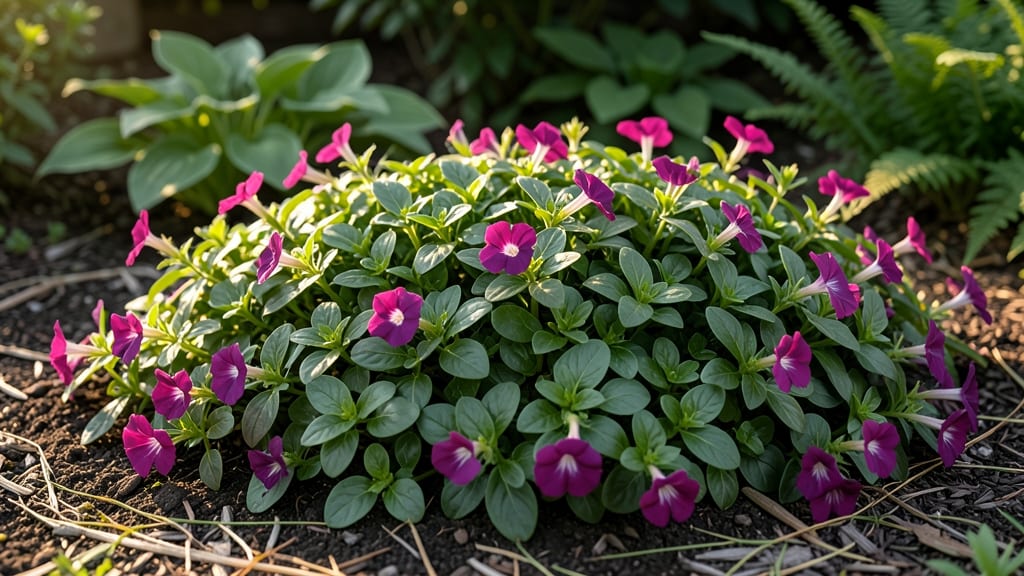
Big leaf periwinkle (Vinca major) is the shade-loving ground cover that finally solved my dark-corner gardening problems. 🌿 This tough, evergreen plant spreads beautifully under trees and along foundations, creating a lush carpet that stays green even when other plants struggle.
The secret to its success? It thrives in partial to full shade, tolerates poor soil, and handles drought once established. My first patch went in last spring, and by summer it had filled a 4x6-foot area with glossy leaves—no fuss, no dead spots.
Unlike fussy annuals, this plant keeps its color year-round, even in winter. You'll love how it crowds out weeds naturally while looking polished enough for formal gardens. The tiny purple flowers in spring are a bonus, though they're not the star.
By late summer, the foliage alone creates that "I put in work" look that neighbors notice. Works in zones 4-9, whether you're covering a shady slope, lining a walkway, or just filling a bare spot. Here's how to make it thrive in your yard.
📚 In This Guide
- What you need
- Instructions
- Tips and common mistakes
- Wrapping up and next steps
What you need
- ● Big leaf periwinkle plants: 3–5 nursery-grown plants (6–12 inches tall) per 100 sq. ft. for full coverage.
- ● Well-draining potting mix: 1–2 bags (2–3 cubic feet each) of a blend with peat moss or compost (avoid heavy clay).
- ● Shovel or trowel: A 5-inch garden trowel for precision or a round-point shovel for larger areas.
- ● Mulch: 2–3 bags (2–3 cubic feet) of pine bark fines or shredded leaves to retain moisture.
- ● Watering can or hose: With a gentle spray nozzle for even moisture.
- ● Gloves and knee pads: For comfort during planting.
- ● Soil pH tester: To ensure your soil is slightly acidic (pH 5.0–6.5)—periwinkle loves it!
- ● Slow-release fertilizer: 10–20 lbs. of 10-10-10 or 5-10-5 blend for nutrient boost.
- ● Edging tool: To define plant borders neatly.
- ● Plant markers: For labeling varieties if mixing types.
Step-by-Step instructions for planting and maintaining big leaf periwinkle
This shade-loving ground cover spreads effortlessly once established—here's how to set it up for success.
🌱 Step 1: Choose and Prepare Your Planting Site
Big leaf periwinkle thrives in partial to full shade, making it perfect for under trees or along north-facing foundations. Test your soil's moisture by digging a 6-inch hole—if it feels dry after a week, your site has good drainage. This plant hates soggy roots, so amending heavy clay with 2-3 inches of compost improves airflow.
Clear any weeds or grass within a 2-foot radius of where you'll plant. Periwinkle spreads slowly at first but will eventually fill in completely. Mark planting spots with small stakes if you're creating a pattern—this helps maintain neat edges until the foliage fills in.
🪴 Step 2: Plant Your Periwinkle Correctly
Dig holes twice as wide as the root ball but only as deep as the container. Gently remove plants from their nursery pots and loosen any circling roots with your fingers. Place each plant so the top of the root ball sits just below soil level—burying too deep can suffocate stems.
Backfill with native soil mixed with 1 part compost to encourage strong root establishment. Water deeply to settle the soil and eliminate air pockets. Space plants 12-18 inches apart for a dense carpet within 2-3 years. I like to water again after 24 hours to help roots bond with the surrounding soil.
☀️ Step 3: Water and Fertilize for Establishment
Keep the soil evenly moist but not soggy for the first 4-6 weeks after planting. You'll know you're doing it right when the soil feels like a damp sponge—water seeps in but doesn't pool. Once established, periwinkle tolerates drought beautifully, but young plants need consistent moisture to develop strong roots.
Apply a balanced 10-10-10 fertilizer at half strength when you see new growth appear. This gives plants a gentle boost without encouraging too much leafy growth at the expense of root development. I skip fertilizer after the first year—periwinkle rarely needs feeding once established.
✂️ Step 4: Maintain Through the Growing Season
Periwinkle handles neglect beautifully, but occasional maintenance keeps it looking its best. Cut back any brown or leggy stems in early spring to encourage fresh, compact growth. This plant spreads through underground runners, so you'll occasionally see new shoots popping up 6-12 inches away from the main plant.
Divide clumps every 3-4 years in early spring by digging up sections and replanting them elsewhere. This rejuvenates the mother plant and gives you free new plants for borders or problem areas. I always water divisions immediately after transplanting to reduce shock.
⏰ Step 5: Prepare for Winter and Year-Round Care
Big leaf periwinkle handles winter beautifully, but a 2-3 inch layer of mulch protects roots in harsh climates. I use shredded leaves or wood chips in fall, pulling it back slightly in early spring to prevent rot. This plant rarely needs pruning—just remove any dead foliage in late winter to make room for fresh growth.
The real magic happens in its second year when it starts spreading aggressively. By year three, you'll have a dense, weed-suppressing carpet that thrives even in deep shade. The key is patience—don't rush to fill gaps, as periwinkle fills in more completely when left undisturbed.
Tips & tricks for perfect big leaf periwinkle ground cover
These simple strategies will help your shade-loving ground cover establish beautifully and spread like a dream.
Soil Prep Secret: In Step 1, when testing soil moisture, dig your 6-inch hole in the hottest part of the day. If it's still damp after a week, you're dealing with poor drainage—this is when adding extra compost (up to 4 inches) becomes especially important. I've seen periwinkle struggle in compacted clay, so don't skip this test even if your area gets plenty of rain.
Planting Depth Tip: The "just below soil level" rule in Step 2 is critical—this prevents stem rot while allowing roots to access moisture. I use a small stick to mark the soil line on the pot before planting, so I can see exactly where the root ball ends. If you bury too deep, you'll notice yellowing leaves within weeks.
Watering Wisdom: That 24-hour follow-up watering in Step 2 does more than you'd think. It helps settle the soil around roots and signals to the plant that it's time to establish. I set a reminder on my phone for this second watering—skipping it means your plants will take longer to root properly. For the first 4-6 weeks, water in the morning so foliage dries before evening, preventing fungal issues.
Fertilizer Timing: When applying that half-strength 10-10-10 fertilizer in Step 3, wait until you see actual new growth—not just unfurling leaves. I've made the mistake of fertilizing too early, which can burn tender new roots. The key is patience: periwinkle grows slowly at first but rewards that wait with dramatic spreading in years two and three.
Pro Tips for Big Leaf Periwinkle
- These simple strategies will help your shade-loving ground cover establish beautifully and spread like a dream.
- Soil Prep Secret: In Step 1, when testing soil moisture, dig your 6-inch hole in the hottest part of the day.
- Planting Depth Tip: The "just below soil level" rule in Step 2 is critical—this prevents stem rot while allowing roots to access moisture.
Frequently asked questions
Got questions about big leaf periwinkle? You’re not alone!
Here are answers to the most common queries to help you grow this resilient ground cover with confidence.
Is big leaf periwinkle invasive?
Big leaf periwinkle (Vinca major) is not considered invasive in most regions, unlike its cousin, creeping myrtle. It spreads slowly via runners but stays well-behaved in garden beds. Always check your local invasive species database to confirm—some states may classify it differently.
How long does it take to establish a full ground cover?
With patience, big leaf periwinkle can form a dense mat in 2–3 years under ideal conditions. For faster results, plant plugs 12–18 inches apart or use a mix of plugs and cuttings. Mulching helps retain moisture, speeding up root establishment.
What pests or diseases should I watch for?
This hardy plant is rarely troubled by pests, but keep an eye out for:
- Spider mites (dry conditions)
- Scale insects (sticky residue on leaves)
- Fungal leaf spot (dark spots in humid climates)
Can I grow big leaf periwinkle in containers?
It thrives in 12–18 inch pots with well-draining soil. Use a mix of potting soil and compost, and ensure the container has drainage holes. For a trailing effect, let it spill over edges—just trim back in spring to encourage bushier growth.
What’s the best alternative if I need shade-tolerant ground cover?
If big leaf periwinkle isn’t your style, consider these low-maintenance shade lovers:
- Sweet woodruff (Galium odoratum) – Fragrant, spreads gently
- Hosta – Varied foliage, but attracts slugs
- Lungwort (Pulmonaria) – Unique spotted leaves, deer-resistant
Wrapping up and next steps
Big leaf periwinkle is a low-maintenance, shade-loving superstar that brings year-round beauty to your garden while keeping weeds at bay. Whether you're tackling pests, improving soil health, or simply craving a lush, green landscape, this hardy ground cover delivers—without the fuss. 🌿
Ready to transform your shady spots? Start by selecting the perfect variety for your climate, then roll up your sleeves and plant with confidence. Your future garden will thank you!
- 💡 Next step: Grab your supplies and dive into planting—your shade garden awaits!