
Pests and Diseases
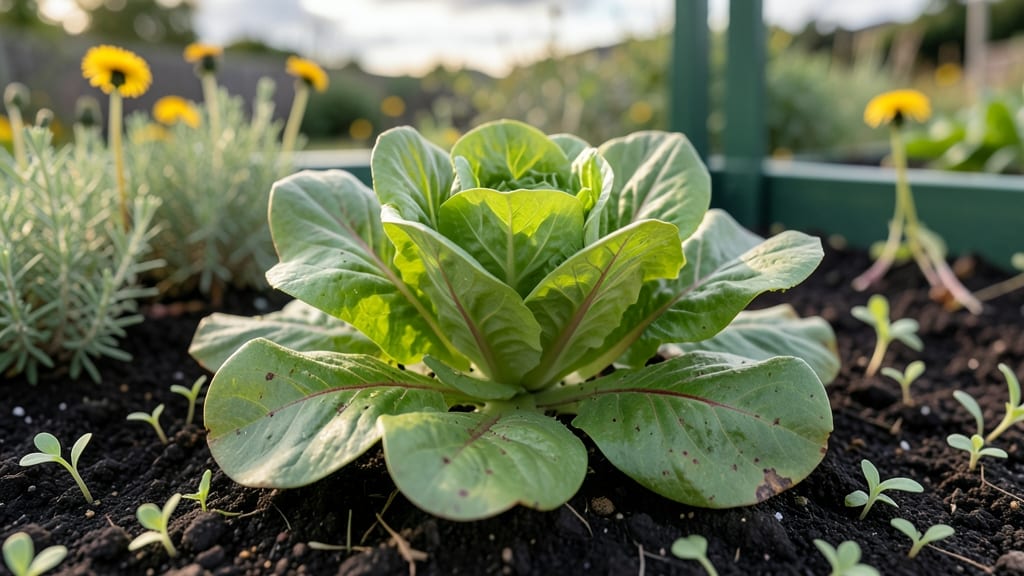
Big leaf lettuce grows in 14 days from seed to baby greens—faster than any other variety I’ve tried. 🌱 The secret is its aggressive germination paired with shallow roots, making it perfect for containers, windowsills, and small gardens where space is tight.
I’ve grown it in everything from 5-gallon buckets to old teacups, and it thrives as long as you keep the soil moist and the light bright.
Start with a well-draining mix—regular potting soil works, but add a handful of compost to give those leaves a head start. Plant seeds ¼-inch deep, just enough to cover them lightly, and keep them in a spot with 4-6 hours of sunlight daily.
If your space is shady, a grow light for 12 hours a day will do the trick. Overcrowding is the biggest mistake—space seeds 1 inch apart so they don’t compete for nutrients.
You’ll see tender leaves ready to harvest in 2-3 weeks, and the plants keep producing for 4-6 weeks if you pick outer leaves regularly. The flavor? Crisp, slightly sweet, and bold enough to stand up to bold dressings—no wimpy baby greens here.
Plus, it bolts slower than other varieties, giving you a longer window to enjoy fresh harvests.
For small gardens, succession plant every 2 weeks to ensure a steady supply. In hot climates, grow it in partial shade and use shade cloth to prevent bolting.
The key is consistency—keep the soil moist but not soggy, and you’ll have a never-ending salad bowl right on your patio or windowsill.
📚 In This Guide
- What you need
- Instructions
- Tips and common mistakes
- Wrapping up and next steps
What you need
- ● Big leaf lettuce seeds: Choose a fast-maturing variety (e.g., 'Black Seeded Simpson' or 'Jericho'). Quantity: 1–2 oz (enough for 50–100 plants).
- ● Growing containers or garden bed: Containers: 6–12" deep pots (minimum 12" diameter for multiple plants). Quantity: 1–2 per plant.
- ● Garden bed: Well-draining soil with partial shade (6+ hours of sunlight).
- ● Potting mix: Lightweight, organic mix with perlite or vermiculite (avoid heavy clay soil). Quantity: 1–2 bags (1–2 cubic feet each).
- ● Watering can or hose with a gentle nozzle: For consistent moisture without disturbing seeds.
- ○ Organic fertilizer: Balanced (10-10-10) or compost tea. Optional: Slow-release pellets for long-term growth.
- ● Gloves: Gardening gloves to protect hands from soil and prickly stems.
- ● Trowel or small shovel: For transplanting seedlings or loosening soil.
- ○ Spray bottle: For misting seeds during germination (optional but helpful).
- ● Mulch or straw: To retain moisture and suppress weeds. Quantity: 1–2 lbs.
- ● Climate: Cool-season crop (ideal temps: 45–75°F). Avoid planting in extreme heat.
- ● Sunlight: Partial shade (3–6 hours/day) to prevent bolting (premature flowering).
- ● Water: Consistent moisture (keep soil damp but not soggy).
- ○ Pest prevention: Neem oil or row covers (optional but recommended for aphids/cabbage moths).
Step-by-step instructions for growing big leaf lettuce
Here's how to coax those lush, fast-growing leaves into your containers or garden beds.
🌱 Step 1: Choose the Right Time and Location
Big leaf lettuce thrives in cool weather and bolts quickly when temperatures climb above 75°F. Start seeds indoors 4-6 weeks before your last frost date or sow directly outdoors in early spring or late summer for fall harvests. I always opt for a north-facing window or shaded patio spot—direct afternoon sun will turn leaves bitter.
If growing in containers, ensure they're at least 6 inches deep and have drainage holes. Lettuce roots are shallow but hate soggy conditions. Fill containers with a light, well-draining mix—think fluffy, not dense. A 50/50 blend of potting soil and compost works perfectly, giving roots both structure and nutrients without compacting.
🌱 Step 2: Prepare Seeds and Sow with Precision
Soak seeds overnight in lukewarm water to soften the outer coating—this speeds germination from 7-10 days to just 3-5 days. I use a fine-mesh strainer to avoid losing seeds while soaking. After soaking, plant seeds ¼ inch deep in rows or clusters, spacing them 1 inch apart in all directions. Crowding them too early leads to weak stems and disease.
Keep the soil consistently moist but never soggy. A spray bottle works best for gentle watering—you want to avoid disturbing the seeds. Cover the tray or bed with a clear plastic dome or row cover to retain humidity. This creates a mini greenhouse effect, which is especially helpful if your space runs cool. Watch for condensation on the underside of the cover—this tells me the moisture balance is just right.
☀️ Step 3: Provide Optimal Light and Temperature
Once seedlings emerge, remove the cover immediately to prevent damping-off. Place them in a spot with 4-6 hours of indirect light daily. Big leaf lettuce won’t tolerate harsh midday sun, so a sheer curtain helps diffuse light if needed. You’ll know your light is right when leaves stay bright green and compact—no stretching or yellowing.
Maintain soil temperature between 60-65°F for best growth. If your space runs warmer, move containers to a cooler spot or use a small fan to circulate air. Avoid placing them near vents or drafts, which can stress tender seedlings. Fertilize lightly with a balanced liquid fertilizer (like 10-10-10) once true leaves appear—just a quarter-strength dose to avoid burning young roots.
🌿 Step 4: Thin and Maintain for Maximum Yield
When seedlings reach 2 inches tall and have 2-3 true leaves, thin to 4-6 inches apart in containers or 8-12 inches apart in garden beds. Use sharp scissors to snip excess seedlings at soil level—this prevents disturbing roots of remaining plants. I always harvest the thinned seedlings immediately for salads; nothing goes to waste.
Keep soil moist but not waterlogged. Water deeply at the base in the morning to allow foliage to dry before evening. Mulch with a thin layer of straw to retain moisture and suppress weeds. Big leaf lettuce grows best with regular harvesting—pick outer leaves when they reach 4-6 inches long, leaving the inner leaves to continue growing. This encourages continuous production and prevents bolting.
⏰ Step 5: Harvest and Extend the Season
Harvest leaves in the morning when they’re crispest. Use clean scissors or your fingers to pluck leaves just above a leaf pair—this promotes bushier growth. You’ll get 3-4 harvests per plant before bolting, especially if you keep the soil cool. For fall harvests, use shade cloth to protect plants from late-season heat waves.
To extend the season, succession plant every 2 weeks in early spring and late summer. This ensures a steady supply of fresh leaves. Store harvested leaves in a plastic bag with a paper towel to absorb moisture, and keep them refrigerated for up to 5 days. With this method, you’ll enjoy big leaf lettuce from early spring through fall—no gaps, no bolting, just consistent harvests.
Tips & tricks for growing lush big leaf lettuce
Fast germination and consistent growth start with these precise techniques that turn your container garden into a leafy green powerhouse.
Soaking Strategy: The overnight soak in lukewarm water isn't just about speeding up germination—it's about breaking the seed's natural dormancy. I've found that using a fine-mesh strainer prevents seed loss while soaking, and the 3-5 day germination window becomes even tighter if you soak for exactly 12 hours (no longer!). This consistent timing is crucial for maintaining your 4-6 hour daily light schedule once seedlings emerge.
Light Balance: Big leaf lettuce's sensitivity to light means the 4-6 hours of indirect light must be precisely managed. I recommend placing your containers on a north-facing window sill or under a grow light on a timer set to 4 hours. Watch for leaves that stretch toward light (bolting) or turn yellow—these are your warning signs. A sheer curtain can diffuse harsh midday sun while still providing adequate light intensity.
Thinning Technique: When thinning seedlings to 4-6 inches apart in containers, I use a small pair of garden shears rather than pulling by hand. This prevents disturbing the roots of remaining plants while giving you clean cuts. The key is to thin when seedlings are exactly 2 inches tall—any earlier and you risk stunting growth, any later and you'll have to remove more mature plants that compete for nutrients.
Temperature Management: Maintaining that 60-65°F soil temperature range is easier than it sounds. If your space runs warmer, move containers to a cool basement corner or place them on a bed of damp pebbles in a shallow tray. For cooler spaces, a small heating mat set to low can help maintain the lower end of the range. The 75°F upper limit is non-negotiable—even brief exposure to warmer temperatures triggers bolting.
Pro Tips for Big Leaf Lettuce
- Fast germination and consistent growth start with these precise techniques that turn your container garden into a lea...
- Soaking Strategy: The overnight soak in lukewarm water isn't just about speeding up germination—it's about breaking t...
- Light Balance: Big leaf lettuce's sensitivity to light means the 4-6 hours of indirect light must be precisely manage...
Frequently asked questions
Got questions about growing big leaf lettuce?
You’re not alone—this fast-growing variety is a favorite, but it comes with its own quirks. Here are answers to the most common questions to help you grow crisp, healthy lettuce with confidence!
How long does big leaf lettuce take to mature?
Big leaf lettuce is one of the fastest varieties, typically ready for harvest in 30–45 days from seed, depending on temperature and growing conditions. For baby leaves, you can even harvest in 25–30 days. Keep an eye on the outer leaves—once they’re 4–6 inches wide, it’s time to pick!
What pests should I watch out for in big leaf lettuce?
This variety is prone to aphids, slugs, and cabbage worms. To prevent issues:
- Use row covers early in the season to block pests.
- Handpick slugs at night (they’re most active then!).
- Spray with neem oil or insecticidal soap for aphids.
- Rotate crops yearly to disrupt pest life cycles.
Can I grow big leaf lettuce in hot weather?
Big leaf lettuce prefers cool temperatures (50–70°F), but it can bolt (go to seed) quickly in heat. To extend your harvest:
- Plant in early spring or fall for ideal conditions.
- Use shade cloth (30–50%) if summer temps rise above 75°F.
- Choose heat-tolerant varieties like ‘Black Seeded Simpson’ if you must grow in summer.
How do I harvest big leaf lettuce without killing the plant?
Big leaf lettuce is cut-and-come-again! To harvest:
- Use a sharp knife or scissors to snip outer leaves at the base.
- Leave the inner leaves and core intact—they’ll keep growing!
- Avoid pulling leaves, as this can damage the plant.
- For a full harvest, cut the entire head 1–2 inches above the soil.
What’s a good alternative if big leaf lettuce doesn’t grow well for me?
If big leaf lettuce struggles in your climate, try these fast-growing, container-friendly alternatives:
- Buttercrunch lettuce – Sweet, crisp, and bolt-resistant.
- Oakleaf lettuce – Heat-tolerant with ruffled leaves.
- Loose-leaf varieties (like ‘Salad Bowl’) – Ready in 30 days and great for snipping.
- Spinach or arugula – Both thrive in similar conditions and add peppery flavor.
Wrapping up and next steps
Big leaf lettuce is a fantastic choice for small spaces and container gardening—its fast germination and hardy nature make it perfect for beginners and seasoned growers alike! 🌱 Whether you're battling pests, managing diseases, or simply maximizing your harvest, this variety delivers big results with minimal fuss.
Ready to take the next step? Start small with a container or two—you’ll be enjoying crisp, homegrown salads in no time!
Pro tip: Keep an eye on those leaves and harvest regularly to encourage continuous growth. Happy gardening! 🌿