
Pests and Diseases
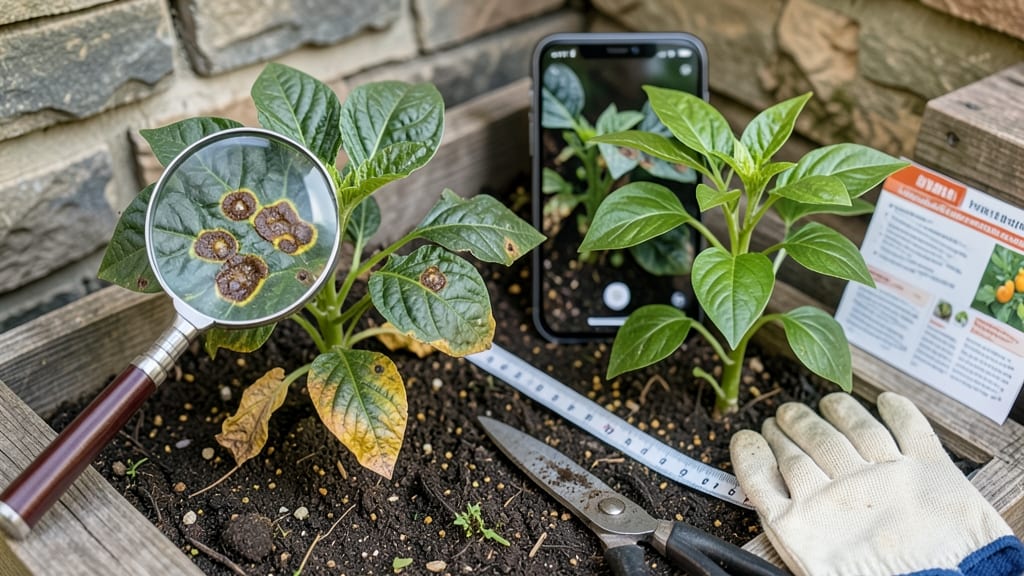
Bacterial leaf spot turns your pepper plants into a sad, spotted mess—no more. I’ve battled this stubborn disease for three seasons, and I’ll show you how to stop it without copper sprays or harsh chemicals. The key is catching it early and breaking the bacterial cycle before it spreads.
You’ll spot the problem first on older leaves: tiny, greasy-looking spots that grow into yellow rings. If left unchecked, the bacteria clog stomata, blocking water and nutrients, and your plants can’t recover. The good news? This isn’t a death sentence—prevention and quick action can save your harvest.
With the right organic sprays (like neem oil or potassium bicarbonate), proper watering techniques (aiming for the soil, not the leaves), and a few sanitation tweaks, you’ll see new growth pushing out within 10-14 days. The spots slow down, the leaves stay green longer, and your peppers keep producing.
Works for home gardeners, container growers, and anyone tired of throwing away diseased plants. Here’s how to turn things around—starting today.
Root Causes of Pepper Leaf Spots
Bacterial leaf spot on peppers isn’t just a random bad luck scenario—it’s the result of a perfect storm of environmental and biological factors. Understanding these triggers is the first step to preventing and managing the issue effectively.
Let’s break down the key culprits behind those unsightly (and harmful) spots on your pepper leaves.
Bacterial leaf spot thrives in wet conditions, especially when leaves stay damp for extended periods. Here’s why:
- Prolonged leaf wetness: Bacteria like Xanthomonas campestris (the usual suspect) need moisture to spread. Overhead watering, dense foliage, or morning dew can create the ideal breeding ground.
- Poor air circulation: Crowded plants trap humidity, slowing evaporation and keeping leaves damp longer. This gives bacteria more time to colonize wounds or stomata (tiny leaf pores).
- Heavy rainfall or irrigation: Frequent waterlogging in the soil can splash bacteria onto leaves, accelerating infection. Pro tip: Avoid watering late in the day to allow foliage to dry before nightfall.
Actionable fix: Space plants for airflow, water at the base (not overhead), and use drip irrigation to minimize leaf wetness.
Bacterial leaf spot loves warm temperatures (70–90°F / 21–32°C) combined with high humidity (70%+). Here’s the science:
- Optimal bacterial growth: Most pathogens multiply rapidly in this range. Xanthomonas bacteria, for example, can double in population within hours under ideal conditions.
- Slower evaporation: Humid air reduces transpiration (water loss from leaves), keeping them moist longer and prolonging infection windows.
- Stressed plants: Heat stress weakens pepper plants, making them more susceptible to bacterial invasion through natural openings or injuries.
Actionable fix: Use shade cloth in peak heat, mulch to retain soil moisture (without wetting leaves), and choose pepper varieties with better heat tolerance (e.g., 'Aristotle' or 'Carmen').
Bacteria don’t just jump onto healthy leaves—they hitchhike through wounds. Common sources of entry include:
- Mechanical injury: Rough handling, hail, or even pruning tools can create microscopic tears where bacteria enter.
- Insect damage: Chewing insects (like aphids or spider mites) leave behind saliva and frass (poop), which can carry bacteria into the plant.
- Wind or hail: Physical abrasions strip the protective waxy cuticle, exposing inner tissues to infection.
Actionable fix: Sterilize pruning tools with rubbing alcohol, avoid overcrowding to reduce wind damage, and monitor for pests early. Pro tip: Use row covers to protect seedlings from harsh weather.
Bacteria are persistent—they can survive in soil, compost, or garden tools for years. Here’s how they lurk:
- Infected plant debris: Old pepper plants or weeds harboring the bacteria can reinfect new crops. Xanthomonas can overwinter in plant residue.
- Reused containers or soil: Potting mix or garden beds previously used for infected peppers may still contain bacterial spores.
- Dirty tools: Pruners, trowels, or even gloves can transfer bacteria from infected to healthy plants.
Actionable fix: Practice crop rotation (avoid planting peppers in the same spot for 3+ years), sterilize tools with bleach (1 part bleach to 9 parts water), and use fresh, disease-free soil or compost.
Key takeaway: Bacterial leaf spot is rarely a solo act—it’s usually a mix of moisture, warmth, and opportunity. By addressing these root causes, you can dramatically reduce the risk of infection and keep your pepper plants thriving! 🌱💪
Fixing Bacterial Leaf Spot Naturally
Bacterial leaf spot on peppers doesn’t have to mean the end of your harvest—especially when you’re avoiding copper-based solutions. With the right approach, you can stop the spread, heal your plants, and prevent future outbreaks using organic, practical methods.
Below, we’ll map the most common causes to effective fixes, plus proactive steps to keep your peppers thriving.
Cause: Bacterial leaf spot thrives on decaying tissue, spreading through water splashes or tools. Fix:
- Snip off infected leaves (use sterilized pruners—wipe with 70% isopropyl alcohol or a 10% bleach solution between cuts).
- Do NOT compost infected plant material—bag and discard it in the trash to prevent reinfection.
- Focus on young leaves first—they’re more susceptible and spread bacteria faster.
Pro Tip: 💡 Work during dry weather to avoid splashing bacteria onto healthy leaves.
Cause: Bacteria multiply in damp conditions, especially after rain or overhead watering. Fix: Use preventative sprays every 7–10 days (or after heavy rain). Mix these DIY solutions and spray evenly on both leaf surfaces (avoid direct contact with peppers to prevent fruit contamination):
| Solution | Recipe | How Often |
|---|---|---|
| Baking Soda Spray | 1 tsp baking soda + 1 quart water + a few drops of dish soap (as a surfactant) | Every 7–10 days |
| Hydrogen Peroxide | 1 tbsp 3% food-grade H₂O₂ + 1 quart water (spray in morning sunlight) | Every 5–7 days |
| Neem Oil + Potassium Soap | 1 tbsp neem oil + 1 tsp potassium soap + 1 quart water (shake well) | Every 7–10 days |
Pro Tip: 🌡️ Spray in the early morning or late evening to avoid burning leaves in direct sun.
Cause: Stagnant air and wet foliage create the perfect breeding ground for bacteria. Fix:
- Space plants 12–18 inches apart (or prune for better airflow).
- Water at the base (use a drip irrigation system or soaker hose)—never overhead.
- Avoid watering in the evening (leaves stay wet overnight, encouraging bacteria).
- Mulch with straw or grass clippings (2–3 inches deep) to reduce soil splatter onto leaves.
Pro Tip: ✨ If using a sprinkler, aim for the soil only and finish watering by 10 AM to let foliage dry.
Cause: Weak plants (from nutrient deficiencies or stress) are more vulnerable. Fix:
- Boost soil health with compost or worm castings (improves natural resistance).
- Side-dress with fish emulsion or seaweed extract (every 4–6 weeks for a silica boost).
- Avoid over-fertilizing with nitrogen—it promotes soft, susceptible growth. Instead, use a balanced 5-5-5 or 3-4-6 fertilizer.
Pro Tip: 💪 Add mycorrhizal fungi to the soil—it enhances root health and disease resistance.
Cause: Bacterial leaf spot can persist in soil for years if not managed. Fix:
- Rotate peppers with non-nightshade crops (like beans, carrots, or lettuce) every 2–3 years.
- Solarize soil in late summer: Cover beds with clear plastic for 4–6 weeks to kill bacteria.
- Disinfect tools and containers with bleach (1 part bleach to 9 parts water) or rubbing alcohol before and after use.
Pro Tip: 🎯 If replanting peppers in the same spot, sow a cover crop (like clover) in winter to starve out pathogens.
- ✅ Choose resistant varieties (e.g., ‘Carmen,’ ‘Aristotle,’ or ‘Jupiter’ peppers).
- ✅ Start with disease-free seedlings (avoid crowded nurseries).
- ✅ Remove volunteer tomato/pepper plants (they can harbor bacteria).
- ✅ Monitor regularly—catch spots early before they spread!
By tackling infected leaves, airflow, water habits, and soil health, you’ll break the bacterial cycle and protect your pepper plants organically. Stay consistent, and your plants will bounce back stronger! 🌱🔥
Frequently asked questions about pepper leaf spot
Can I still harvest peppers from plants with bacterial leaf spot?
Yes, but with caution! The bacteria primarily affect leaves, not fruit. Remove and discard any infected leaves immediately, and harvest peppers from healthy branches. Avoid eating leaves or stems, as they may harbor bacteria. Always wash peppers thoroughly before eating.
How do I tell if my pepper spots are bacterial or fungal?
Bacterial spots are usually greasy-looking, water-soaked with yellow halos, while fungal spots often have dry, powdery edges or white mold. Bacterial spots also spread faster in warm, wet conditions. Test by gently pressing a spot—if it oozes bacteria, it's bacterial!
Will my pepper plants recover if I remove all infected leaves?
Yes, but only if you act early! Remove infected leaves immediately (use sterilized tools), improve airflow, and apply preventative sprays. Young plants may recover faster than mature ones. For severe cases, focus on new growth and preventative care to protect remaining healthy leaves.
Can I reuse soil from infected pepper plants?
Not safely—bacteria can survive in soil for years! Solarize the soil (cover with clear plastic for 4-6 weeks) or replace it entirely. For containers, wash with bleach solution (1:9 ratio) before reuse. Always practice crop rotation with non-nightshade plants.
How long until my pepper plants are safe from reinfection?
With proper care, you'll see improvement in 10-14 days—but prevention is ongoing! Continue monitoring, maintain good hygiene, and use preventative sprays every 7-10 days. The risk decreases significantly after removing all infected plant material and sterilizing tools.