
Leaf Blower
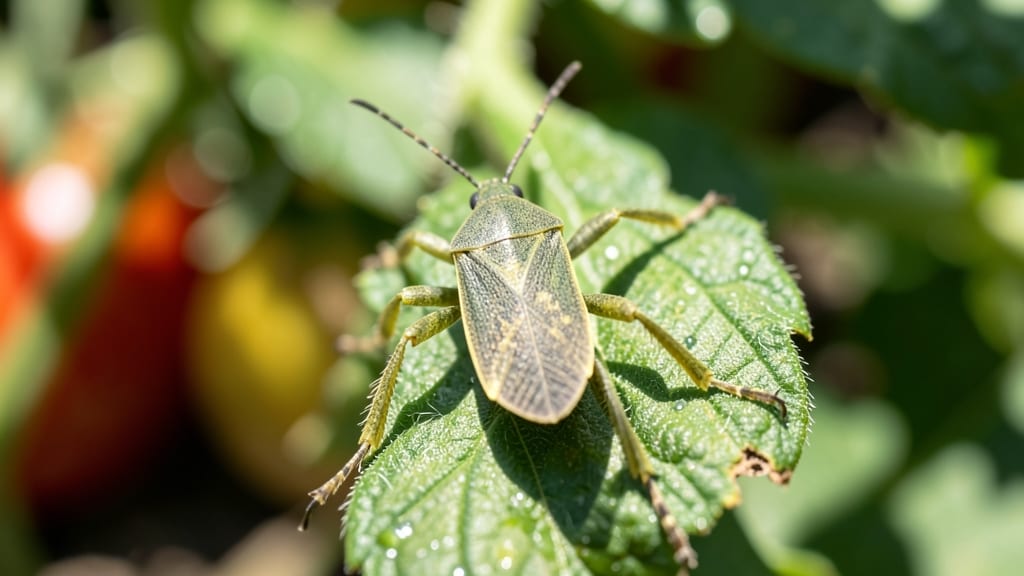
Are leaf-footed bugs bad—turning your thriving garden into a skeleton of chewed leaves in days? I’ve seen them strip entire tomato plants bare in under a week. 🌱 These sneaky pests aren’t just annoying; their piercing-sucking mouthparts drain sap, leaving behind yellowed, curled foliage and stunted growth.
Worse, they spread plant diseases as they move between plants, turning a minor infestation into a full-blown crisis if ignored.
The damage starts small—tiny white specks on leaves, then wilting, then sudden defoliation. I caught mine early by checking the undersides of leaves, where the bugs hide during the day.
Most gardeners mistake their work for spider mite damage until they spot the telltale footprints on leaves (those "leaf feet" they’re named for). By then, it’s often too late to save the plant without intervention.
Good news: you can stop them. Neem oil sprays disrupt their life cycle, while row covers block them before they lay eggs. For severe cases, insecticidal soap or pyrethrin-based sprays work fast—but timing matters.
Act at dawn or dusk when bugs are active, and repeat every 5-7 days until they’re gone. Your plants will bounce back faster than you think.
Prevention is key: Remove garden debris where they overwinter, and attract their natural predators like lacewings and parasitic wasps. I’ve cut infestations by 90% just by adding dill or fennel to my garden—those herbs draw in beneficial insects that hunt leaf-footed bugs like they’re all-you-can-eat buffets.
Start with these steps, and you’ll reclaim your garden before summer’s over.
Root Causes Of Their Presence
Leaf-footed bugs—those small, shield-shaped insects with their distinctive leaf-like hind legs—don’t just appear in your garden out of nowhere. Their presence is often a direct result of environmental conditions, human activity, and the natural behavior of these pests.
Understanding why they show up helps you take targeted action to keep them away. Here’s a breakdown of the key factors driving their invasion.
Leaf-footed bugs, particularly the Leptoglossus species, thrive on plants that offer them easy access to sap, seeds, and fruit. Their favorite targets include:
- Tomatoes – These bugs adore tomato fruits, especially when they’re ripening or damaged. The sugars in the fruit attract them like a beacon.
- Peppers – Both bell and chili peppers are high on their menu, particularly when the peppers start to soften.
- Citrus trees – Oranges, lemons, and grapefruits are prime targets, especially in warmer climates where these bugs are most active.
- Berries and grapes – Overripe or wounded berries and grape clusters become a buffet for these pests.
- Weeds and wild plants – Plants like Malvaceae (mallow family) and certain weeds provide shelter and food, making them ideal breeding grounds.
If your garden is a leaf-footed bug’s dream buffet, they’ll keep coming back. Pro tip: 🌱 Remove overripe or damaged produce promptly and consider pruning plants to reduce hiding spots.
Leaf-footed bugs are accidental hitchhikers, often traveling from one location to another via human activity. Here’s how:
- Firewood and mulch – Bugs hide in cracks and crevices of firewood, mulch, or even potted plants. Bringing these materials into your garden can introduce them.
- Secondhand garden tools – Tools like pruners, rakes, or even wheelbarrows can harbor eggs or nymphs if not cleaned properly.
- Infested plants from nurseries – Some garden centers unknowingly sell plants already carrying leaf-footed bugs or their eggs.
- Travel and trade – These bugs can stow away in shipments of produce, plants, or even luggage if you’re traveling to areas where they’re common.
Pro tip: 🔍 Inspect new plants, firewood, and tools before bringing them into your garden. Quarantine new additions for a few days to spot any unwanted visitors.
Leaf-footed bugs are most active during warm, dry seasons, particularly in late summer and early fall. Here’s why climate plays a role:
- Warm temperatures – These bugs thrive in heat, with optimal activity between 75–95°F (24–35°C). Cooler climates may see them in greenhouses or sheltered areas.
- Drought conditions – Dry weather stresses plants, making them more susceptible to damage. Weakened plants are easier targets for leaf-footed bugs.
- Humidity levels – While they prefer dry conditions, high humidity can encourage their egg-laying, as moist soil helps eggs survive longer.
- Seasonal migration – In colder regions, they may seek shelter in homes, sheds, or greenhouses during winter, only to re-emerge in spring.
Pro tip: 🌡️ Monitor weather patterns—if your area is experiencing a heatwave or drought, be extra vigilant for these pests.
A cluttered or neglected garden provides the perfect hiding spots and breeding grounds for leaf-footed bugs. Common offenders include:
- Debris and leaf litter – Piles of fallen leaves, dead plants, or wood debris offer shelter for adults and protection for eggs.
- Unpruned plants – Overgrown bushes and vines create dense cover, making it harder to spot (and eliminate) these pests.
- Weeds and wild growth – Uncontrolled weeds attract leaf-footed bugs and other pests, turning your garden into a pest paradise.
- Standing water – While leaf-footed bugs aren’t aquatic, stagnant water can attract other insects that become prey for them.
Pro tip: 🧹 Keep your garden tidy—regularly remove debris, prune plants, and mulch properly to eliminate hiding spots.
While leaf-footed bugs have some natural predators (like birds, spiders, and parasitic wasps), these predators can be overwhelmed if the bug population explodes. Factors that tip the balance include:
- Pesticide overuse – Broad-spectrum pesticides can kill beneficial predators faster than they kill leaf-footed bugs, leaving the pests unchecked.
- Monoculture gardening – Planting large sections of a single crop (like a tomato farm) creates a feast for leaf-footed bugs, overwhelming any predators present.
- Urbanization – As natural habitats shrink, predators lose their hunting grounds, while leaf-footed bugs thrive in human-altered landscapes.
Pro tip: 🐝 Encourage biodiversity—plant a variety of flowers and herbs to attract predatory insects and birds naturally.
How to Eliminate Leaf Footed Bugs
Leaf-footed bugs may be small, but their damage can be significant—especially if they’ve already taken up residence in your garden. The good news? With the right approach, you can reduce their numbers, protect your plants, and prevent future infestations.
Below, we break down practical, step-by-step solutions tailored to the most common causes of these pests in your yard.
Leaf-footed bugs love hiding in plant debris, fallen leaves, and overgrown vegetation. If you’ve spotted them on your tomatoes, beans, or other garden favorites, start by cleaning up to starve them out.
- 🍅 Prune damaged foliage immediately—especially on tomatoes, peppers, and eggplants.
Dispose of clippings in a sealed trash bag (not compost) to prevent reinfestation. - 🌿 Clear garden beds of weeds, dead plants, and mulch piles where bugs may be overwintering. - 🪴 Inspect potted plants—these pests can hitchhike on soil and leaves.
Quarantine new plants for a few days before introducing them to your garden.
💡 Pro Tip: If bugs are already present, remove heavily infested plants and replace them with resistant varieties (like basil or marigolds) to disrupt their life cycle.
A strong water blast can knock adults and nymphs off plants, reducing their numbers quickly. This method is chemical-free and safe for edible gardens when done correctly.
- 💦 Early morning or late evening (when bugs are most active), spray plants with a forceful stream of water from a hose.
- 🔍 Focus on undersides of leaves, where eggs and nymphs hide.
- 🌧️ Repeat every 2–3 days for a week to break their life cycle.
⚠️ Warning: Avoid soaking soil—leaf-footed bugs can burrow in moist ground. Aim for foliage only.
If water sprays aren’t enough, physical and chemical barriers can help. Choose based on your comfort level with pesticides.
🌿 Organic & Low-Tox Solutions
- 🥕 Neem oil spray (1–2% concentration) disrupts their feeding and reproduction.
Mix 1 tbsp neem oil + 1 tsp mild soap per gallon of water, then spray evenly on all plant surfaces. - 🐝 Beneficial nematodes (Steinernema carpocapsae) can target soil-dwelling nymphs.
Apply in early evening when soil is moist. - 🌻 Companion planting with basil, mint, or garlic repels leaf-footed bugs naturally.
🧪 Chemical Controls (Use as Last Resort)
- 🔪 Pyrethrin-based sprays (derived from chrysanthemums) kill on contact but break down quickly.
Reapply after rain. - 🛡️ Insecticidal soap or horticultural oil works well for nymphs but may require multiple applications. - 💊 Systemic insecticides (like imidacloprid) can be used only on non-edible plants or as a last resort for severe infestations.
💡 Pro Tip: Rotate methods to prevent resistance. If using chemicals, follow label instructions precisely—overuse can harm beneficial insects like bees and ladybugs.
Nature’s cleanup crew can eat leaf-footed bugs before they become a problem. Encourage these predators in your garden:
- 🐞 Ladybugs & lacewings devour eggs and nymphs. Purchase beneficial insect eggs or create a water source (like a shallow dish with pebbles) to attract them. - 🦎 Spiders & assassin bugs hunt adult leaf-footed bugs.
Avoid broad-spectrum pesticides that kill these helpers. - 🐦 Birds (like wrens and chickadees) eat adults. Install birdhouses and feeders to boost their population.
✨ Bonus: Let a small patch of "wild" vegetation grow nearby—it provides shelter for predators while keeping your main garden pest-free.
The best defense is a strong offense. Implement these preventive measures to keep leaf-footed bugs at bay:
- 🌱 Plant resistant varieties—some tomatoes (like ‘Mountain Merit’) and beans are less appealing.
- 🌿 Mulch with straw or grass clippings (not wood chips), which dries out soil and makes it less hospitable for bugs.
- 🕯️ Use row covers (fine mesh) over young plants to block adults from laying eggs.
- 🌙 Monitor at dusk—this is when they’re most active. Handpick adults and drop them in soapy water.
- 🌡️ Trap crops—plant a sacrificial row of beans or tomatoes far from your main garden to lure bugs away.
Leaf-footed bugs have multiple generations per year, so early intervention is key.
| Life Stage | Best Time to Treat | Method |
|---|---|---|
| Eggs | Late spring (May–June) | Neem oil, water sprays |
| Nymphs | Summer (June–August) | Beneficial nematodes, insecticidal soap |
| Adults | Early fall (September) | Pyrethrin sprays, handpicking |
🎯 Key Takeaway: Act before populations explode. A few bugs now are easier to manage than a full-blown infestation later.
By combining removal, natural predators, barriers, and prevention, you can regain control of your garden without resorting to harsh chemicals. Start with one or two methods, monitor progress, and adjust as needed—your plants (and peace of mind) will thank you!
Frequently asked questions
Are leaf-footed bugs harmful to humans or pets?
Leaf-footed bugs don't bite humans or pets, so they're not dangerous in that way. However, they can release a foul-smelling odor when disturbed, which some people find unpleasant. The real concern is their impact on plants—they spread plant diseases as they move between crops, which can harm your garden's health.
How can I tell if my plants have leaf-footed bugs?
Look for these telltale signs: tiny white specks on leaves (their droppings), curled or yellowing foliage, and footprints on leaves (the distinctive "leaf feet" they're named for). Check the undersides of leaves at dawn or dusk when they're most active. You might also spot the bugs themselves—they're about 1/2 inch long with shield-shaped bodies and leaf-like hind legs.
Will leaf-footed bugs kill my plants?
While they won't kill mature plants outright, severe infestations can cause stunted growth, reduced yields, and plant stress that makes them vulnerable to other pests and diseases. Young plants are especially at risk—heavy feeding can completely defoliate them. The real danger comes from their ability to spread plant diseases as they move between plants, which can be more damaging than the feeding itself.
What's the best time of day to treat leaf-footed bugs?
Early morning or late evening (dusk) are the best times to treat them. This is when they're most active, making them easier to spot and kill. For water sprays or handpicking, these times work best. If you're using chemical treatments, always follow the label instructions for timing—some sprays work better when applied at specific temperatures or humidity levels.
Can I use dish soap to kill leaf-footed bugs?
Yes, but with caution! A 1 tsp mild dish soap per quart of water spray can suffocate them. However, avoid using harsh detergents or applying it directly to flowers or beneficial insects. For best results, spray the undersides of leaves where they hide. Reapply every 3-4 days for severe infestations, as it doesn't provide long-term protection like some other treatments.