
Pests and Diseases
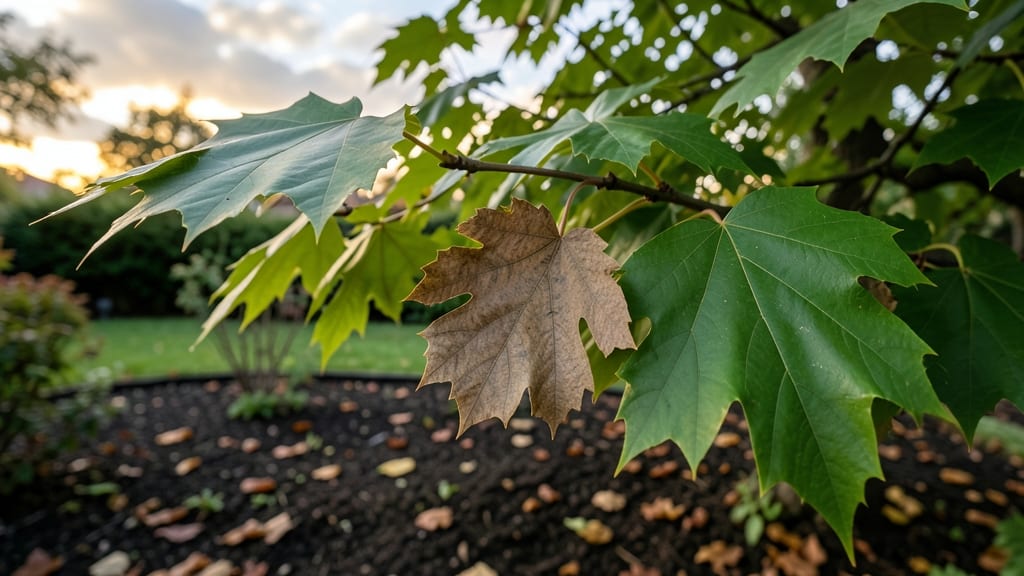
That single dead leaf could be the start of something much worse. 🌿 I’ve seen healthy gardens turn into disease battlegrounds because one ignored leaf became a breeding ground for fungus or pests. The good news? Spotting it early means you can stop the spread before it ruins your plants.
Most dead leaves point to one of three culprits: overwatering (roots suffocate), fungal infections (like powdery mildew), or pests (aphids or mites sucking the life out). Check the leaf’s texture—if it’s crispy, it’s likely drought or pests; if it’s soft and mushy, it’s probably overwatering or rot.
The soil might also smell sour or look waterlogged.
Snip off the dead leaf with clean pruners, then inspect the rest of the plant for signs of trouble. If it’s fungal, a mix of baking soda and water spray can help.
For pests, a strong spray of water or neem oil usually does the trick. The key is acting fast—once the disease spreads, it’s harder to fix.
Prevention is easier than cleanup: water at the base, not overhead, and remove dead leaves regularly. A little vigilance now saves hours of frustration later. Your garden will thank you!
Understanding The Root Causes
When you spot a wilted, browned, or crispy leaf clinging to your plant, it’s not just an eyesore—it’s often a red flag. Dead leaves don’t just happen by accident; they’re usually a symptom of deeper issues.
Below, we break down the most common reasons your plant’s foliage is turning into a leafy graveyard, complete with actionable science-backed fixes.
Plants are sensitive to extreme conditions, and sudden shifts in temperature or humidity can cause rapid leaf death. Here’s how it happens:
- Cold Damage: Frost or near-freezing temps (32°F/0°C or below) disrupt cell membranes, causing ice crystals to form inside leaf tissues. This ruptures cells, leading to browning and crispiness. Evergreens and tropical plants are especially vulnerable.
- Heat Stress: Prolonged exposure to 90°F+ (32°C+) without adequate water or shade triggers oxidative stress. The plant’s chlorophyll breaks down, turning leaves yellow or white before they crisp up. Sunburn (common on variegated or light-colored leaves) appears as dry, papery patches.
- Humidity Mismatch: Low humidity (30% or below) dries out leaves faster than roots can replenish moisture, while high humidity (70%+) can suffocate stomata (leaf pores), trapping excess water and promoting fungal rot.
💡 Pro Tip: Monitor your plant’s microclimate with a hygrometer/thermometer combo. Most houseplants thrive in 60–70% humidity and temps between 65–75°F (18–24°C). Use a pebble tray or humidifier for dry air, and provide afternoon shade in hot climates.
Water is the lifeblood of plants, but imbalances can turn leaves into crunchy time bombs. Here’s how:
| Issue | Why It Happens | Visual Clues |
|---|---|---|
| Underwatering | Cells lose turgor pressure (plumping) due to osmotic stress. The plant prioritizes root survival, causing leaves to curl, dry out, and die from the edges inward. | Crispy, brown edges; wrinkled texture; entire leaf may detach. |
| Overwatering | Excess water displaces oxygen in soil, suffocating roots. Anaerobic conditions trigger ethylene gas production, a stress hormone that accelerates leaf death. Fungal/bacterial infections (like Phytophthora) also thrive in soggy soil. | Yellowing (chlorosis); mushy, blackened spots; drooping despite wet soil. |
| Poor Drainage | Compacted or non-porous soil traps water at the roots, creating the same issues as overwatering. Salt buildup from tap water or fertilizers also damages cells. | Root rot symptoms: foul odor, stunted growth, leaf drop. |
🔥 Actionable Fix:
- Check soil moisture by inserting a finger 1–2 inches deep. If dry, water thoroughly until it drains from the bottom. If soggy, hold off and improve drainage with perlite or orchid bark.
- Use room-temperature water (cold water shocks roots) and avoid letting plants sit in saucers of water.
- For salt buildup, flush the soil with distilled water or rainwater every 2–3 months.
Dead leaves can be a pathogen’s calling card. These microscopic invaders exploit weak plants (often stressed by poor care) and hitchhike on tools, wind, or pests. Here’s how they attack:
- Fungal Infections (e.g., Powdery Mildew, Leaf Spot):
- Fungi like Erysiphe (powdery mildew) thrive in humid, low-light conditions, forming white, powdery patches that block sunlight and kill tissue.
- Alternaria or Colletotrichum cause dark, concentric spots with yellow halos, often on older leaves.
- Bacterial Leaf Spot:
- Bacteria like Xanthomonas enter through leaf wounds (e.g., from pruning) and release toxins that necrotize (kill) cells, creating water-soaked, greasy-looking spots that turn brown and papery.
- Viral Infections:
- Viruses (e.g., Tobacco Mosaic Virus) are spread by infected sap or pests and cause mosaic patterns, stunting, and leaf distortion before tissue dies.
🎯 Prevention & Treatment:
- Isolate infected plants immediately to prevent spread.
- Remove dead leaves and sterilize tools with 70% isopropyl alcohol or a 10% bleach solution.
- Improve air circulation with a fan and avoid overhead watering.
- For fungi: Apply neem oil or copper fungicide (follow label rates).
- For bacteria: Use hydrogen peroxide spray (3%) or copper-based bactericides.
Tiny pests like aphids, spider mites, and scale insects don’t just nibble—they inject toxins and suck sap, starving leaves of nutrients. Their damage often starts as yellowing or stippling before leaves turn crispy and die.
- Aphids & Scale: Pierce leaf tissue with stylets to feed, injecting salivary enzymes that disrupt cell function. Leaves may curl, yellow, and drop prematurely.
- Spider Mites: Their silk webs block sunlight, and their feeding causes fine webbing and stippled, silvered leaves that eventually dry out.
- Thrips: Scrape leaf surfaces with serrated mouthparts, leaving scratch marks and silver streaks. Heavy infestations lead to bud distortion and leaf death.
✨ Rapid Response
Fixing and Preventing Leaf Decay
Now that you understand why leaves turn brown, crisp, or drop prematurely, it’s time to act! Here’s how to revive struggling plants and keep your garden healthy.
---
Cause: Fungal infections, nutrient deficiencies, or environmental stress (like drought or overwatering).
Fix: 1. Prune the affected leaves 🔪 with clean, sharp scissors (sterilize with rubbing alcohol). 2. Boost plant health with a balanced fertilizer (10-10-10) or compost tea. 3. Improve airflow by thinning dense foliage or relocating the plant to a sunnier spot.
Prevention: - Water at the base (not overhead) to reduce fungal spores. - Mulch around plants to retain moisture and prevent soil-borne diseases.
---
Cause: Fallen leaves can harbor pests or fungi, infecting nearby plants.
Fix: 1. Collect fallen leaves 🧹 in a bag and dispose of them in yard waste (not compost). 2. Rake up debris from garden beds and lawns to prevent fungal growth. 3. Disinfect tools after pruning to avoid cross-contamination.
Prevention: - Regularly inspect plants for early signs of decay. - Use a leaf blower for quick cleanup in large gardens.
---
Cause: Overwatering or underwatering can lead to leaf death.
Fix: - Check soil moisture before watering—stick your finger 1-2 inches deep. If dry, water deeply; if soggy, let it dry out. - Adjust watering schedule based on weather (e.g., less in rain, more in drought).
Prevention: - Use drip irrigation for consistent moisture. - Avoid watering late in the day to prevent fungal growth.
---
Cause: Extreme heat, cold, or high humidity can stress plants.
Fix: - Move sensitive plants to a shaded or sheltered area during heatwaves. - Use a fan in humid climates to improve airflow. - Mulch heavily in winter to protect roots from freezing.
Prevention: - Choose native plants that thrive in your climate. - Monitor weather forecasts and adjust care accordingly.
--- 💡 Pro Tip: If leaves keep dying despite your efforts, test your soil pH—some plants need acidic or alkaline conditions to thrive!
By acting fast and addressing the root cause, you’ll keep your plants lush and disease-free for seasons to come. 🌿✨
Frequently asked questions
Why does my plant have dead leaves even though I water it regularly?
Overwatering is a common culprit! When roots sit in soggy soil, they suffocate and can't absorb nutrients, causing leaves to turn yellow and mushy. Check soil moisture by sticking your finger 1-2 inches deep—if it's damp, hold off on watering. Also, ensure your pot has drainage holes to prevent root rot.
Can I compost dead leaves from my plants?
Not always—it depends on the cause. If the leaves show signs of disease (like spots or powdery residue) or pest damage, toss them in yard waste instead. Healthy dead leaves can go in compost, but avoid mixing them with diseased plant material to prevent spreading pathogens.
How do I tell if a dead leaf is from pests or disease?
Look closely! Pest damage often shows as tiny holes, webbing, or sticky residue (aphid "honeydew"), while diseases create spots (fungal) or greasy patches (bacterial). Check the undersides of leaves too—pests love hiding there. If you see webs or insects, it's likely pests; if not, disease is more probable.
Will removing one dead leaf stop the problem from spreading?
It's a great start! Use clean, sharp pruners to snip off dead leaves at the base. Sterilize your tools with rubbing alcohol between cuts. While this won't fix underlying issues (like poor drainage), it prevents the problem from spreading to healthy leaves. Combine with proper care to see real improvement.
Can dead leaves actually help my garden?
Yes, in the right way! Healthy dead leaves make excellent mulch—just shred them first. They protect soil moisture, regulate temperature, and provide nutrients as they decompose. Just avoid using diseased leaves, as they can spread problems to your soil and other plants.