
Pests and Diseases
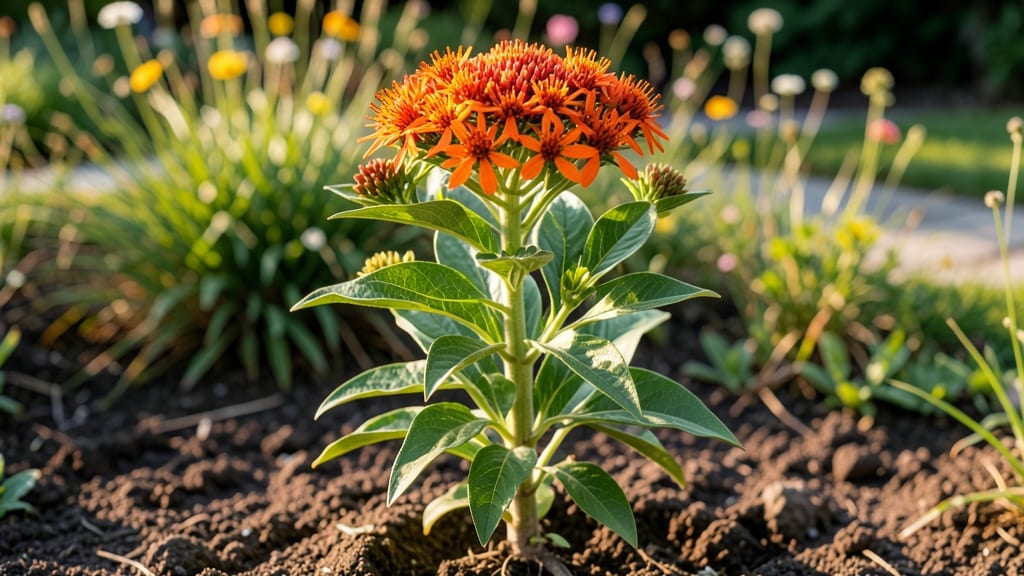
That four-pointed leaf staring back at you from your garden could be a weed or a wanted plant—and telling them apart saves hours of frustration. 🌱 I’ve pulled up what I thought were weeds only to realize they were prized Oxalis or Dieffenbachia, and vice versa.
The key lies in leaf texture, growth habit, and where it’s popping up.
Most four-pointed leaves fall into three categories: clover-like weeds (Oxalis), tropical houseplants (Dieffenbachia), or invasive ground covers (like creeping Charlie). Weeds tend to spread aggressively in lawns, while wanted plants grow upright or in clumps. Check the stems—weeds often have shallow roots, while plants like Dieffenbachia have thick, sturdy stems.
If it’s a weed, pull it early before it crowds out your garden. For wanted plants, transplant carefully and watch for pests like aphids or mites, which love tender new growth. A quick spray of neem oil keeps them at bay without harming your prized foliage.
Still unsure? Snap a photo and compare it to your local nursery’s houseplants or a weed-identification app. Most four-pointed leaves are either easy to manage or easy to love—once you know which is which.
Root Causes Behind Leaf Shifts
Understanding why plants develop a four-pointed leaf structure—often a sign of stress or genetic variation—starts with examining the underlying factors. These changes aren’t random; they’re the plant’s response to environmental or biological triggers.
Below, we break down the science behind the most common causes, so you can diagnose and address the issue effectively.
Some plants are hardwired to produce unusual leaf shapes due to their genetic makeup. This is especially true for certain heirloom varieties, hybrids, or wild species that have evolved unique traits for survival.
For example: - Marigolds and coleus sometimes develop four-pointed leaves as a natural variation, particularly in hybrid strains bred for ornamental appeal. - Cannabis plants (if that’s your focus) may exhibit this trait due to selective breeding for specific cannabinoid profiles, where leaf morphology shifts alongside chemical changes. - Vegetable plants like kale or swiss chard can display lobed or segmented leaves as a genetic quirk, often more pronounced in younger growth stages.
Actionable Tip: 🔍 If the plant is otherwise healthy and thrives despite the leaf shape, it’s likely genetic. Take a photo and compare it to known varieties—this can help you confirm whether it’s a wanted trait or a red flag.
Plants are sensitive to their surroundings, and extreme or fluctuating conditions can trigger morphological changes, including abnormal leaf segmentation. Here’s how:
1. Temperature Extremes
- Cold snaps or heatwaves disrupt cell division in growing leaves, leading to stunted or irregular lobes.
For instance, tomato plants exposed to nighttime temps below 50°F (10°C) may develop jagged, four-pointed leaves instead of smooth ones. - Solution: Use row covers in cold climates or shade cloth in scorching heat to stabilize temperatures. Mulching can also insulate roots and reduce stress.
2. Light Deficiency or Excess
- Low light causes etiolation—where leaves stretch and develop irregular shapes to maximize sunlight absorption.
Think of how houseplants in dim corners grow leggy with oddly shaped foliage. - Too much direct sun (especially for shade-loving plants) can scorch leaf edges, creating a "pointed" appearance as the plant tries to protect itself. - Solution: Rotate plants regularly and provide filtered light (e.g., sheer curtains or grow lights) if natural light is inconsistent.
3. Nutrient Imbalances
- Nitrogen deficiency often leads to small, pointed leaves as the plant prioritizes survival over growth.
Conversely, excess nitrogen can cause rapid, uneven growth with lobed edges. - Calcium or magnesium deficiencies also distort leaf development, leading to crinkled or segmented tips. - Solution: Test your soil and amend with balanced fertilizer (e.g., 10-10-10) or Epsom salt (for magnesium) if needed.
Avoid over-fertilizing—more isn’t always better!
While not always the case, infections or infestations can physically alter leaf structure as the plant diverts energy to defense.
Common culprits include: - Viruses (e.g., Tobacco Mosaic Virus) cause mosaic patterns, stunting, and deformed leaves, including four-pointed shapes in plants like peppers or cucumbers. - Fungal infections (e.g., powdery mildew) stress the plant, leading to irregular growth as it fights off spores. - Pests like aphids or spider mites suck sap, starving leaves and causing cupped, pointed, or lobed edges. - Solution: Isolate affected plants, use neem oil or insecticidal soap, and remove severely damaged foliage.
For viruses, prevention (e.g., sterilizing tools) is key—once infected, recovery is rare.
External chemicals—whether intentional or accidental—can disrupt a plant’s natural growth hormones, leading to abnormal leaf development.
Examples: - Herbicide drift or overuse of growth regulators (e.g., auxin-based sprays) can cause stunted, lobed, or segmented leaves. - Salt buildup (from tap water or fertilizers) stresses roots, leading to leaf tip burn and pointed edges. - Solution: Flush soil with rainwater, avoid synthetic chemicals near sensitive plants, and opt for organic mulches to reduce salt accumulation.
Mechanical stress—like rough handling, improper pruning, or wind damage—can trigger compensatory growth, resulting in oddly shaped leaves.
For example: - Snipping too close to a stem removes meristem tissue (growth points), forcing the plant to grow new leaves from lower nodes, often with irregular segmentation. - Wind or hail can physically tear leaves, and the plant may regrow them with lobed or pointed edges as a protective adaptation. - Solution: Use clean, sharp pruners and cut at a 45-degree angle just above a leaf node.
Provide windbreaks for outdoor plants to minimize damage.
Not all four-pointed leaves are a cause for alarm.
Here’s a quick guide: ✅ Relax if: - The plant is otherwise healthy (vibrant color, no spots, steady growth). - The trait is consistent across the species (e.g., certain marigold varieties). - The leaves revert to normal as the plant matures.
⚠️ Act fast if:
- The issue spreads rapidly or coincides with yellowing, wilting, or pest signs.
- The plant is newly exposed to stress (e.g., moved to a harsher environment).
- The leaves crisp, brown, or drop prematurely.
By pinpointing the root cause, you can decide whether to adjust care, embrace the quirk, or pull the plant—all while keeping your garden (or grow space) thriving!
Quick Fixes for Leafy Intruders
If you’ve spotted a four-pointed leaf creeping into your garden or yard, don’t panic—there are practical ways to manage it before it takes over. Below, we’ve broken down solutions by cause, from accidental introduction to aggressive spread, so you can act fast and keep your space thriving.
If your "weed" is actually a desirable plant (like a native wildflower or edible herb) mistaken for a nuisance, the fix is simple: identify and relocate.
- 🔍 Step 1: Confirm the ID Snap a clear photo and compare it to local plant databases (like iNaturalist or your state’s extension service).
If it’s a four-pointed leaf plant (e.g., Trifolium clover or Oxalis sorrel), weigh whether it’s harmful or beneficial. Pro Tip: 💡 If it’s a legume (like clover), it can even improve soil health—consider keeping a few patches!
- 🌿 Step 2: Dig It Out (If Needed) If it’s truly unwanted, pull it by the roots (especially if it’s shallow-rooted).
For stubborn patches, use a hand trowel to loosen soil and remove clumps. Warning: ⚠️ Avoid herbicides unless you’re 100% sure it’s a weed—many "weeds" are edible or support pollinators!
- 📦 Step 3: Relocate or Compost
- Keep it? Transplant to a designated wildflower bed or container.
- Discard it? Add to compost only if disease-free (no signs of mold or pests).
If the four-pointed leaf is a true pest (like poison ivy with four leaflets or invasive groundsel), use targeted, eco-friendly removal.
| Method | How to Do It | Best For |
|---|---|---|
| Hand-Pulling | Wear gloves and pull before seeds form (spring/early summer). | Small patches, shallow roots. |
| Mulching | Smother with cardboard + mulch to block sunlight (takes 3–6 months). | Large areas, persistent weeds. |
| Boiling Water | Pour slowly on roots (avoid desirable plants). | Sidewalks, cracks, driveways. |
| Vinegar Solution | Mix 1 gallon white vinegar + 1 cup salt + 1 tbsp dish soap. Spray directly on leaves (reapply after rain). | Spot treatment (avoid windy days!). |
| Manual Mowing | Cut weekly to weaken deep-rooted invaders (like creeping charlie). | Lawns, grassy areas. |
Pro Tip: 🌡️ Timing is key! Remove weeds when soil is moist (after rain) for easier extraction.
Stop the spread with long-term strategies tailored to your landscape.
- 🌿 Improve Soil Health
- Add compost to encourage stronger native plants that outcompete weeds.
- Plant ground covers (like creeping thyme or clover) to crowd out intruders.
- 🔄 Maintain Your Yard
- Mow high (3–4 inches) to shade weed seeds and reduce germination.
- Remove leaves/debris regularly—many weeds sprout from hidden seeds.
- 🛡️ Barrier Methods
- Landscape fabric under mulch (for garden beds).
- Edging tools to create physical barriers in lawns.
- 🌍 Choose Native Alternatives If the four-pointed leaf is invasive, replace it with native plants that:
- Spread slowly (e.g., sedum, ferns).
- Support local ecosystems (pollinators, birds).
Pro Tip: ✨ Pre-emergent herbicides (like corn gluten meal) can prevent seeds from sprouting—apply in early spring before weeds wake up!
Final Note: Whether it’s a misidentified plant or a true nuisance, acting early saves time and effort. Start with manual removal, then layer in preventive habits to keep your space lush and low-maintenance!
Frequently asked questions
What plants commonly have four-pointed leaves?
Plants with four-pointed leaves include Oxalis (wood sorrel), Dieffenbachia (dumb cane), and certain clover varieties. Other examples are marigolds (in hybrid forms) and coleus. If you're unsure, check the leaf texture—smooth leaves often belong to houseplants, while rough or hairy leaves may indicate weeds.
Is a four-pointed leaf always a weed?
Not at all! Many four-pointed leaves belong to desirable plants, like Oxalis (edible greens) or Dieffenbachia (popular houseplants). The key is checking growth habits: weeds spread aggressively in lawns, while wanted plants grow upright or in clumps. Always confirm before pulling!
How can I tell if my four-pointed leaf is poisonous?
Most four-pointed leaves (like Oxalis) are safe, but some—such as poison ivy (which has three leaflets, not four)—are dangerous. If unsure, avoid touching and research the plant by leaf arrangement, stem, and habitat. For edible varieties, consult a local botanist or gardening app.
Why are my houseplant leaves turning four-pointed?
Four-pointed leaves in houseplants often signal stress from light issues (too much sun or shade), nutrient imbalances, or pests. Check soil moisture, adjust light exposure, and inspect for aphids or mites. If the plant is otherwise healthy, it might just be a genetic quirk!
How do I remove four-pointed weeds without harming my lawn?
For shallow-rooted weeds, pull them by hand when soil is moist. For stubborn patches, smother with cardboard + mulch or use a vinegar solution (1 gallon vinegar + 1 cup salt). Avoid herbicides—they can damage grass and may not target four-pointed weeds effectively.