
Leaf Blower
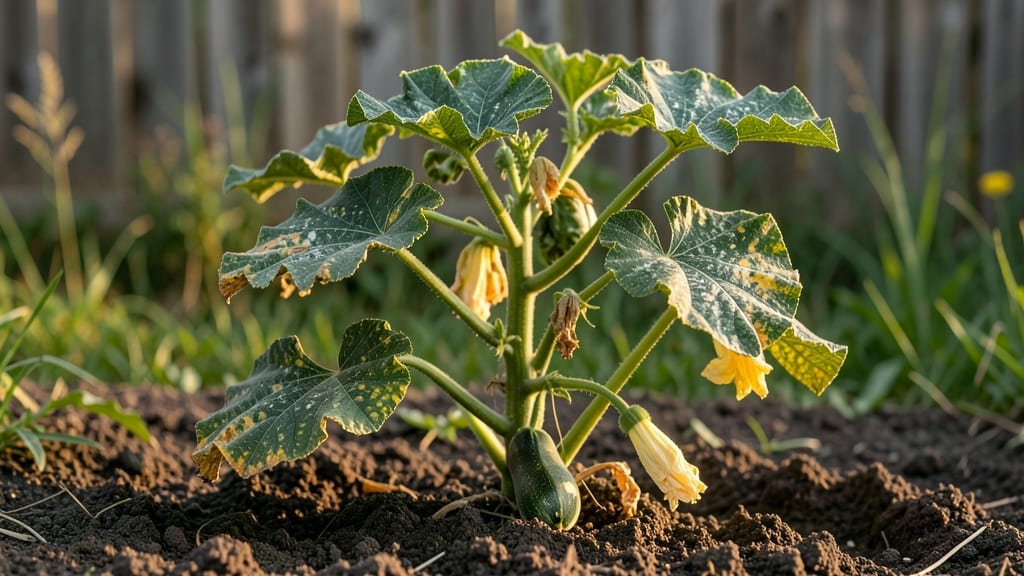
Your zucchini plants are screaming for help when those leaves start curling like they're caught in a summer breeze. 🌿 That telltale leaf curl isn’t just ugly—it’s a sign your vines are fighting a viral infection or aphid attack, and without intervention, your harvest could be history.
The good news? Copper spray isn’t just a fix; it’s a shield that stops the damage in its tracks while keeping your garden organic-friendly.
Most gardeners spot the problem too late—yellowing leaves, stunted growth, and that classic puckered look mean your plants are already stressed. The culprits? Viruses like ZYMV or CMV spread by aphids, or environmental factors like extreme heat or poor drainage.
I’ve seen entire patches of zucchini collapse when ignored, but copper spray applied at the first sign of trouble can turn the tide before the virus spreads.
What you’ll get is a healthy, thriving vine that produces straight, glossy leaves and plump zucchini instead of curled, crunchy messes. The spray works by disrupting fungal and bacterial growth on leaf surfaces, giving your plants a fighting chance.
Plus, it’s safe for edibles once fully dried—no more sacrificing your harvest to save the plant.
This method works for both viral and environmental causes, making it a universal solution for any zucchini grower. Whether you’re dealing with aphids or just bad luck, copper spray gives you the upper hand. Let’s get those leaves flat and your harvest back on track!
Root Causes Of Zucchini Leaf Curl
Zucchini leaf curl isn’t just an annoying cosmetic issue—it’s a plant’s distress signal, often triggered by unseen enemies. Understanding the why behind the symptoms is the first step to reclaiming your garden’s health.
Below, we break down the most common culprits, from microscopic invaders to environmental stressors, and explain how they hijack your zucchini’s growth.
Zucchini leaf curl is most famously caused by zucchini yellow mosaic virus (ZYMV) and cucumber mosaic virus (CMV), two plant viruses spread by tiny, winged insects called aphids. Here’s how it works:
- How it spreads:
- Aphids feed on infected plants (even weeds like milkweed or pigweed), then crawl or fly to your zucchini, injecting viral particles like a microscopic syringe.
- Wind and contaminated tools (pruners, gloves) can also spread viruses between plants.
- Seed-borne transmission: Some viruses hitch a ride on infected seeds, so buying from unreliable sources can introduce problems early.
- Why your zucchini reacts: - Viruses disrupt the plant’s phytohormone balance, particularly auxins (growth hormones) and cytokinins (cell division regulators).
This causes: - Stunted growth (cells can’t divide normally). - Leaf curling (abnormal cell expansion on one side). - Yellowing veins (chlorophyll breakdown due to disrupted nutrient transport). - Unlike bacterial or fungal infections, viruses can’t be cured—only managed through prevention and removal.
- 💡 Pro Tip:
- Inspect new plants for curled leaves or mosaic patterns before transplanting. Quarantine suspect plants for 2 weeks.
- Use reflective mulch (aluminum foil or silver plastic) to deter aphids—these pests avoid bright surfaces.
While viruses are the primary cause, aphids and whiteflies don’t just spread them—they also directly stress plants by sucking sap, which weakens vines and makes them more susceptible to infections.
- How pests trigger symptoms: - Saliva injection: As aphids feed, they inject toxic saliva that disrupts the plant’s jasmonic acid pathway (a defense hormone).
This leads to: - Curled, puckered leaves (cells respond abnormally to stress). - Sticky honeydew (aphid waste), which attracts sooty mold (a secondary fungal issue). - Nutrient theft: Heavy infestations starve plants of nitrogen and phosphorus, causing yellowing and poor fruit development.
- Why they thrive:
- Overcrowded plants: Zucchini left too close together create humid microclimates, perfect for aphids.
- Weedy gardens: Alternative hosts (like marigolds or squash) provide a buffet for pests before they reach your zucchini.
- Lack of natural predators: Without ladybugs, lacewings, or parasitic wasps, aphid populations explode.
- 🔥 Quick Fix:
- Blast off pests with a strong stream of water (aphids hate this!). Repeat every 3–4 days.
- Introduce beneficial insects: Release ladybugs or lacewing larvae (available at garden centers) for biological control.
Not all leaf curl is biological—sometimes, extreme conditions push plants to the brink, mimicking viral symptoms.
- Heat stress: - Zucchini thrive in 70–85°F (21–29°C).
Above 90°F (32°C), leaves curl upward to reduce water loss, while veins yellow from heat damage. - Why it looks like a virus: - Curling + stunting can resemble ZYMV, but heat-stressed plants recover when temperatures drop (viruses don’t). - Symptom difference: Heat curl is uniform (all leaves affected similarly), while viruses cause patchy, asymmetric damage.
- Water stress:
- Underwatering: Roots can’t supply enough moisture, causing leaves to curl inward (a survival tactic to conserve water).
- Overwatering: Poor drainage leads to root rot, starving the plant of nutrients and causing yellowing between veins (iron deficiency).
- Salt buildup: In container gardens, excess fertilizer or tap water minerals can burn roots, triggering curl and stunted growth.
- 🌡️ Prevention Table:
| Issue | Signs | Solution |
|---|---|---|
| Heat stress | Upward curl, crispy edges | Provide shade cloth (30–50% coverage), mulch. |
| Underwatering | Inward curl, wilting by noon | Water deeply at soil level (1–2 inches/week). |
| Overwatering | Yellow lower leaves, mushy stems | Improve drainage, let soil dry between waterings. |
Zucchini are heavy feeders, and when soil lacks key nutrients, leaves curl as a cry for help.
- Key deficiencies causing curl:
- Nitrogen (N): Leaves yellow between veins (oldest leaves first) and curl due to poor protein synthesis.
- Potassium (K): Margins brown and curl downward (edges crisp), as potassium regulates water and enzyme activity.
- Magnesium (Mg): Interveinal yellowing (like a virus!) but veins stay green—this is classic magnesium deficiency (chlorophyll breakdown).
- Why it happens: - Compacted or clay soil limits root growth, reducing nutrient uptake. - Over-fertilizing with nitrogen (like lawn fertilizer) can burn roots, while lack of organic matter (compost) ties up nutrients. - pH imbalances: Zucchini prefer 6.0–6.8 pH.
Too acidic (<5.5) locks out phosphorus and calcium; too alkaline (>7.5) blocks iron and manganese.
- 🎯 Actionable Fixes: - Test your soil: Use a DIY kit ($10) or send a sample to a local extension office for a full report. - Amend soil: Mix in compost (2–3 inches) and kelp meal (for potassium).
For magnesium, add Epsom salt (1 tbsp/gallon of water) as a foliar spray. - Mulch heavily: Straw or grass clippings retain moisture and slowly release nutrients.
Quick Fixes for Wrinkled Zucchini Leaves
When your zucchini plants start showing signs of leaf curl, acting fast can save your harvest. The good news? Many solutions are simple, natural, and effective.
Below, we’ve mapped out the most common causes of leaf curl and the best ways to treat (and prevent) them—so you can get back to growing crisp, healthy zucchini.
If your zucchini leaves are curling due to zucchini yellow mosaic virus (ZYMV) or cucumber mosaic virus (CMV), copper-based sprays are your first line of defense. These viruses spread via aphids, so eliminating them is key.
How to Treat:
- 🔪 Prune Infected Leaves – Snip off curled or yellowed leaves immediately to stop the spread. Dispose of them in the trash (not compost).
- 🌿 Apply Copper Spray – Use a copper fungicide (like copper sulfate or copper hydroxide) every 7–10 days to deter aphids and weaken viral activity. Follow label instructions for dilution.
- 🐝 Boost Beneficial Insects – Ladybugs and lacewings eat aphids. Introduce them to your garden or plant marigolds nearby to attract them naturally.
💡 Prevention Tip:
- Rotate crops—don’t plant cucurbits (zucchini, cucumbers, melons) in the same spot yearly.
- Use reflective mulch (like aluminum foil) to confuse aphids and reduce viral spread.
Hot, dry weather or sudden temperature swings can cause leaves to curl as a stress response. While this isn’t deadly, it weakens plants and reduces yields.
How to Treat:
- 💦 Water Deeply (But Less Often) – Zucchini roots run deep. Water early in the morning (1–1.5 inches per week) to encourage strong roots.
- 🏖️ Provide Afternoon Shade – Use shade cloth (30–50%) or plant near taller crops (like corn or sunflowers) to block intense midday sun.
- 🌱 Mulch Thickly – Apply 2–3 inches of straw or grass clippings to retain moisture and regulate soil temperature.
🎯 Pro Tip:
- Avoid overhead watering—it encourages fungal diseases. Use drip irrigation instead.
Yellowing between veins or stunted growth? Your zucchini might be nitrogen-deficient (common in fast-growing plants) or lacking magnesium (shows as yellowing between veins).
How to Treat:
- 💪 Fertilize with Balanced Feed – Use a 10-10-10 or 5-5-5 fertilizer (equal parts nitrogen, phosphorus, potassium) every 2–3 weeks during flowering.
- 🥗 Epsom Salt Boost for Magnesium – Mix 1 tablespoon of Epsom salt per gallon of water and spray foliage weekly if leaves show magnesium deficiency.
- 🌱 Compost Tea for Micronutrients – Brew compost tea (steep compost in water for 24–48 hours) and use as a foliar spray for a nutrient boost.
✨ Prevention Tip:
- Test your soil before planting—zucchini thrive in pH 6.0–6.8. Adjust with lime (to raise pH) or sulfur (to lower it) if needed.
Tiny pests like aphids and spider mites suck sap, causing leaves to curl and distort. Early intervention is crucial.
How to Treat:
- 🔍 Inspect Leaves Daily – Check the undersides of leaves for pests. Early detection = easier removal.
- 🚿 Blast Off Pests with Water – Use a strong spray of water to knock off aphids (do this in the morning so leaves dry quickly).
- 🌿 Neem Oil Spray – Mix 1 teaspoon neem oil + 1 teaspoon mild soap per quart of water. Spray every 5–7 days to deter pests and prevent eggs from hatching.
- 🐝 Encourage Predatory Bugs – Plant dill, fennel, or alyssum nearby to attract ladybugs and parasitic wasps, which eat aphids.
💡 Prevention Tip:
- Avoid broad-spectrum pesticides—they kill beneficial insects too. Stick to neem, insecticidal soap, or horticultural oil.
The best way to prevent leaf curl? Break the disease and pest cycle before it starts.
How to Prevent Future Issues:
- 🗑️ Clean Up Debris – Remove old plant matter at season’s end to eliminate virus reservoirs.
- 🌱 Crop Rotation – Wait 3 years before replanting cucurbits in the same spot.
- 🛡️ Start with Healthy Plants – Buy certified disease-free seedlings or grow from saved seeds (if no viruses were present the previous year).
- 🌿 Companion Planting – Grow basil, marigolds, or nasturtiums near zucchini to repel pests naturally.
Final Reminder: Most leaf curl issues are manageable with quick action. Monitor your plants regularly, and don’t hesitate to prune or spray at the first sign of trouble. With the right care, your zucchini vines will bounce back—and you’ll be feasting on crisp, straight-edged zucchini in no time! 🥒💚
Frequently asked questions
What’s the difference between viral leaf curl and heat-induced curling?
Viral curl (like ZYMV) causes patchy, asymmetric damage with yellowing veins, while heat stress curls leaves uniformly upward. Viral symptoms won’t recover when temps drop, but heat curl improves as conditions normalize. Check for aphids—if present, viruses are likely the culprit.
Can copper spray cure zucchini yellow mosaic virus?
No, copper spray won’t cure viruses like ZYMV—it only weakens aphids that spread them. Use it preventively every 7–10 days to disrupt viral transmission. For infected plants, remove them immediately to stop spread.
Why do my zucchini leaves curl after heavy rain?
Excess moisture can cause root rot or fungal issues, leading to curling. Improve drainage by adding compost or sand to soil, and water only at the base. If leaves also show yellowing between veins, it may signal iron deficiency from waterlogged roots.
How do I know if my zucchini plant is beyond saving?
If 80%+ of leaves are curled/yellowed with stunted stems, the plant is likely too far gone. Remove it immediately to prevent viral spread. Focus on healthy side shoots or nearby plants for recovery.
Will neem oil stop aphids from spreading viruses?
Yes! Neem oil disrupts aphid life cycles and deters new infestations. Mix 1 tsp neem + 1 tsp soap per quart of water and spray every 5–7 days. It’s safer than pesticides and won’t harm beneficial insects like ladybugs.