
Pests and Diseases
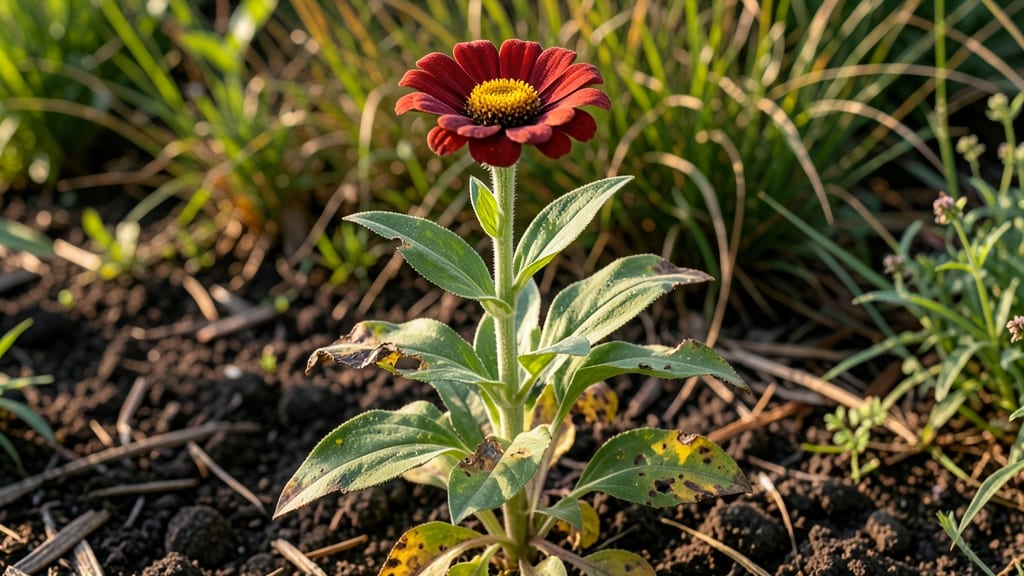
Zinnia leaf damage turns your bright blooms into a sad sight faster than you’d think. 🌻 The minute you spot jagged edges or mysterious spots, you’re dealing with pests, disease, or even overwatering—none of which you want to ignore.
What starts as a few chewed leaves can spiral into a full-blown crisis if you wait too long, but the good news? Most fixes take less than 30 minutes and require just a few supplies you likely already have.
Those pesky spider mites or aphids love zinnias—they suck out plant juices, leaving silvery webbing or sticky residue behind. Fungal issues like powdery mildew show up as white, powdery patches, while overwatering causes yellowing and mushy stems.
The key is identifying the damage early: chewed edges? Likely insects. Spots with a fuzzy coating? Probably mildew. Yellowing leaves with crispy edges? Time to check your watering habits.
Here’s the game-changer: a mix of neem oil spray for pests, baking soda solution for mildew, and proper spacing to improve airflow. Within a week, you’ll see fresh growth pushing out, and those damaged leaves will start falling away naturally.
The best part? These fixes work fast and keep your zinnias thriving for weeks of bold color.
Prevention is even easier—just water at the base (not overhead), space plants properly, and inspect leaves weekly. That way, you’ll catch issues before they become a full-blown problem. Trust me, your zinnias will thank you with bigger, brighter blooms all season long.
Root Causes Behind Zinnia Leaf Damage
Understanding why your zinnia leaves develop chewed edges, spots, or holes is the first step to saving your plants. These issues rarely happen by chance—they’re almost always the result of one (or more) of these common culprits. Let’s break down the science and what’s really going on in your garden.
Zinnia leaves are a buffet for hungry pests, and their feeding leaves behind unmistakable damage. Here’s who’s likely munching on your zinnias and how they do it:
- Japanese Beetles 🪲 These metallic green-and-copper beetles are voracious feeders. They chew irregular, jagged holes along leaf edges and between veins, leaving a skeletonized appearance.
Adults emerge in late summer, but larvae (grubs) can also damage roots earlier in the season. Pro tip: Look for clusters of beetles on leaves—if you see one, there are usually dozens more hiding.
- Aphids 🐜 Tiny, pear-shaped, and often green, yellow, or black, aphids suck sap from leaves, causing curled, sticky (due to honeydew), and discolored foliage. They thrive in warm, humid conditions and reproduce rapidly. Heavy infestations can stunt plant growth and transmit viral diseases.
- Caterpillars (Loopers, Cutworms, Hornworms) 🐛 These larvae leave behind ragged, uneven holes or completely stripped leaves. Loopers (like tomato loopers) move in a looping motion, while cutworms sever stems at the base. Hornworms, with their green bodies and white stripes, can devour entire leaves overnight.
- Spider Mites 🕷️ Though microscopic, these arachnids cause stippling (tiny white or yellow dots) on leaves due to their piercing-sucking mouthparts. Severe infestations lead to webbing and leaf drop. They flourish in dry, hot conditions, making zinnias grown in containers or greenhouses especially vulnerable.
- Slugs and Snails 🐌 These nocturnal gastropods leave behind large, irregular holes with a silvery slime trail. Unlike insect damage, slug/snail feeding often targets softer, younger leaves and can completely remove sections overnight.
Fungi thrive in moist, warm conditions and can turn your zinnias into a smorgasbord of unsightly spots and lesions. Here’s what to watch for:
- Powdery Mildew 🌡️ This fungal disease appears as a white, powdery coating on leaves, stems, and buds. It thrives in humid conditions with poor airflow and blocks sunlight, causing yellowing and leaf drop. Over time, infected leaves may develop brown, crinkled spots.
- Leaf Spot Diseases (Alternaria, Septoria, Cercospora) 🌧️ These fungal pathogens create small, dark spots with yellow halos. Alternaria spots often have concentric rings, while Septoria spots may have tiny black centers (fruiting bodies). High humidity and overhead watering encourage their spread, leading to defoliation if untreated.
- Rust 🍂 Rust fungi produce orange, rust-colored pustules on the undersides of leaves. These pustules burst, releasing spores that infect new leaves. Severe cases cause premature leaf drop and weaken the plant’s ability to flower.
Sometimes, damage isn’t caused by pests or diseases but by environmental factors that weaken your plants, making them more susceptible to other issues:
- Overwatering or Poor Drainage 💦 Zinnias hate soggy roots. Overwatering or compacted soil leads to root rot, which starves leaves of nutrients and oxygen. Look for yellowing leaves, wilting despite moist soil, or a foul odor at the base of the plant.
- Underwatering or Heat Stress 🔥 Inadequate water or scorching heat causes leaves to curl, crisp, or develop brown edges. Zinnias are drought-tolerant but still need consistent moisture, especially during flowering. Heat stress can also trigger early bolting (premature flowering), reducing leaf health.
- Nutrient Deficiencies 📊 Yellowing between leaf veins (chlorosis) often signals iron or magnesium deficiency, while purple stems or leaves indicate phosphorus shortages. Over-fertilizing with nitrogen can also lead to weak, sappy growth that attracts pests.
- Physical Damage 🌪️ Hail, strong winds, or even harsh pruning can tear leaves, creating entry points for infections. Ragged edges or bruised spots are telltale signs of mechanical injury.
Even the best-intentioned gardener can accidentally invite problems. Here’s how:
- Overcrowding 🏢 Zinnias need space for airflow and sunlight. Overcrowded plants trap moisture, encouraging fungal diseases and pest infestations. Prune regularly to maintain airflow and remove diseased foliage immediately.
- Improper Pruning ✂️ Cutting too close to the stem or using dull shears can damage plant tissue, making zinnias more vulnerable to infections. Always prune at a 45-degree angle just above a leaf node and sterilize tools with rubbing alcohol between cuts.
- Ignoring Soil Health 🌱 Compacted, nutrient-poor, or alkaline soil (pH > 7.0) stresses zinnias, weakening their defenses. Conduct a soil test and amend with compost or sulfur if needed. Zinnias prefer slightly acidic to neutral soil (pH 6.0–7.0).
Quick Fixes for Chewed Zinnia Leaves
Now that you know what’s nibbling on your zinnias or causing those unsightly spots, it’s time to take action! The good news? Most zinnia leaf damage can be reversed with simple, garden-friendly solutions.
Below, we’ve matched common causes to practical fixes—plus prevention tips to keep your flowers thriving. Let’s get your zinnias back to their vibrant best!
If tiny holes, jagged edges, or skeletonized leaves are your problem, pests like aphids, Japanese beetles, or spider mites are likely the culprits.
🔥 Remove the Pests Immediately
- Handpick Japanese beetles 👨🍳: Drop them into soapy water (1 tbsp dish soap per gallon) to kill them instantly. Do this in the early morning when they’re sluggish.
- Spray aphids or mites 💦: Mix 1 tsp neem oil + 1 tsp mild dish soap + 1 quart water in a spray bottle. Lightly coat the leaves (avoid overspraying on blooms). Reapply every 3–5 days until pests vanish.
- Use row covers 🛡️: For severe infestations, drape floating row covers over zinnias to block beetles while allowing sunlight and water through.
🌱 Natural Deterrents to Keep Them Away
- Plant companion flowers 🌼: Marigolds, nasturtiums, and basil repel pests with their strong scents.
- Introduce beneficial insects 🐞: Ladybugs, lacewings, and parasitic wasps love munching on aphids and mites.
Buy them online or attract them with dill or fennel in your garden. - Spray garlic or chili pepper spray 🌶️: Blend 1 garlic bulb + 1 tbsp cayenne pepper + 1 quart water, strain, and spray on leaves. Reapply after rain.
✨ Pro Tip: Water zinnias early in the day to let foliage dry quickly—pests love damp leaves!
If your zinnia leaves have black, brown, or yellow spots (often with a fuzzy texture), fungal diseases like powdery mildew, alternaria leaf spot, or rust may be to blame.
🧼 Clean Up & Improve Airflow
- Prune infected leaves ⏰: Snip off spotted or yellowing leaves with clean scissors, then dispose of them in the trash (not compost). Never leave them near your plants!
- Space plants properly 🌬️: Zinnias need 12–18 inches between plants for airflow.
Crowding traps moisture, fueling fungal growth. 3. Water at the base 💧: Avoid overhead watering—water zinnias at soil level in the morning to keep leaves dry.
🍄 Treat Fungal Infections
- Baking soda spray 🧂: Mix 1 tsp baking soda + 1 tbsp oil + 1 tsp soap + 1 gallon water.
Spray every 7–10 days until spots disappear. - Copper fungicide 🛡️: For severe cases, use an organic copper fungicide (like Bonide Copper Fungicide) following label instructions. - Prevent recurrence 🌡️: Mulch around plants with straw or wood chips to reduce soil splashing onto leaves.
💡 Prevention Tip: Rotate crops yearly—don’t plant zinnias in the same spot where you grew them last year to break fungal cycles.
If leaves look crispy, curled, or droopy without obvious pests or spots, heat, drought, or poor soil may be the issue.
💦 Hydrate & Protect from Heat
- Deep water regularly 🌊: Zinnias need 1–1.5 inches of water per week. Water deeply 2–3 times per week during dry spells.
- Mulch heavily 🌾: Apply 2–3 inches of mulch (straw or shredded leaves) to retain moisture and cool roots.
- Provide afternoon shade ☀️: If your zinnias are in a hot, sunny spot, use shade cloth (30–50%) during peak afternoon heat (1–4 PM).
🌱 Boost Soil Health
- Test soil pH 📊: Zinnias prefer slightly acidic to neutral soil (6.0–7.0). Amend with compost or peat moss if needed.
- Fertilize lightly 💪: Use a balanced, water-soluble fertilizer (10-10-10) every 4–6 weeks to avoid burning leaves.
✨ Pro Tip: Deadhead spent blooms regularly—this redirects energy to leaf health and prevents stress from overproduction.
To keep your zinnias damage-free, follow this garden maintenance routine: ✅ Inspect leaves weekly 🔍 for early signs of pests or disease. ✅ Rotate crops 🌱 every 2–3 years to prevent soil-borne issues. ✅ Encourage biodiversity 🐝 with pollinator-friendly plants to attract pest predators. ✅ Store seeds properly 🌾 in a cool, dry place to avoid introducing diseases to new plants.
By tackling the root cause—whether it’s hungry pests, sneaky fungi, or environmental stress—your zinnias will bounce back stronger. With a little TLC, you’ll be enjoying bold, healthy blooms in no time! 🌸
Frequently asked questions about zinnia leaf damage
Why do my zinnia leaves have tiny white dots?
Those white dots are likely spider mites—tiny pests that thrive in dry, hot conditions. They suck plant juices, causing leaves to look stippled or dusty. Check the undersides of leaves for fine webbing, then treat with a mix of 1 tsp neem oil + 1 tsp dish soap per quart of water. Spray in the early morning for best results.
How can I tell if my zinnias have powdery mildew?
Powdery mildew appears as a white, flour-like coating on leaves and stems. It thrives in humid conditions and blocks sunlight, causing yellowing. Prune infected leaves immediately, then spray with a baking soda solution (1 tsp baking soda + 1 tbsp oil + 1 tsp soap per gallon of water). Space plants properly to improve airflow.
Are chewed zinnia leaves always from pests?
Not always! While pests like Japanese beetles or caterpillars are common culprits, physical damage from hail, wind, or even improper pruning can also cause ragged edges. Examine the damage closely—pest damage often has distinct patterns (e.g., skeletonized leaves), while mechanical damage looks more irregular and jagged.
Can I still use damaged zinnia plants for cut flowers?
Yes, but focus on healthy stems! Cut flowers from plants with minimal leaf damage—avoid stems with severe fungal spots or pest infestations. Remove any damaged foliage before arranging to keep your bouquets looking fresh. If the damage is widespread, treat the plant first before harvesting.
How often should I inspect my zinnias for damage?
Check your zinnias once a week during the growing season. Early detection is key—spot pests or diseases before they spread. Pay extra attention after rain (fungi thrive in moisture) or when you notice new growth. A quick 5-minute inspection can save your entire plant!