
Pests and Diseases
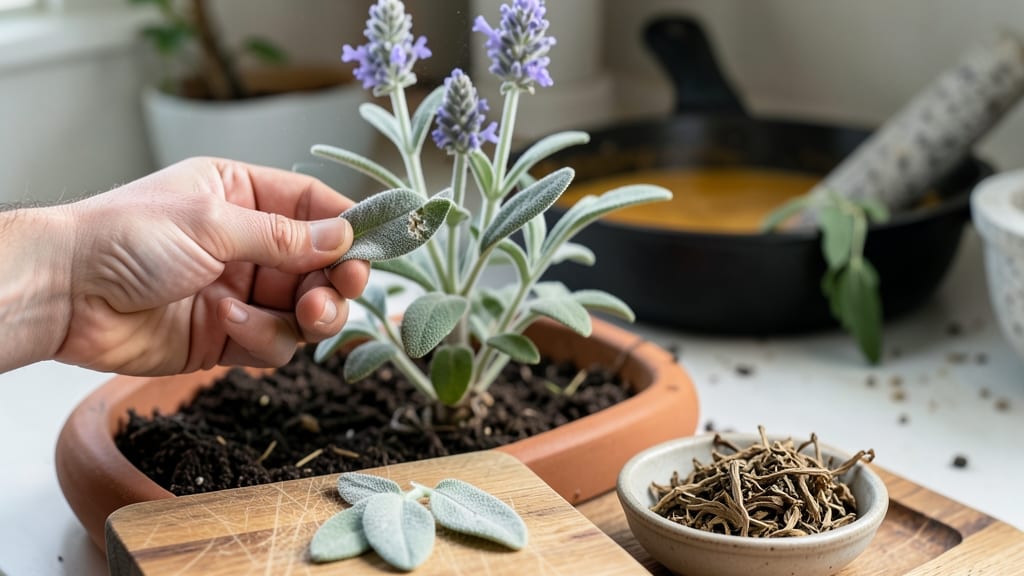
Sage leaf isn’t just for seasoning roasted chicken—it’s a multi-purpose garden powerhouse that keeps pests away and adds beauty to your yard. 🌿 I’ve used fresh sage to deter cabbage moths, as a companion plant for strawberries, and even dried it to make fragrant sachets for my storage shed.
The same leaves that flavor your Thanksgiving stuffing can also protect your broccoli from aphids.
Harvesting sage is simple: snip leaves anytime the plant’s mature, but avoid taking more than one-third of the plant at once. For drying, bundle stems and hang upside down in a dark, dry spot.
Once crisp, crumble the leaves into jars for pest-repellent sprays or potpourri. The strong aroma confuses insects while keeping your garden smelling like a woodland walk.
In the garden, sage thrives as a living mulch—its silvery foliage suppresses weeds and retains moisture. Plant it near brassicas to deter cabbage worms or alongside roses to improve their fragrance.
The woody stems also make natural stakes for climbing plants. With just a few plants, you’ll have an all-purpose herb that works as hard as you do.
Bonus tip: Save the leftover stems for winter arrangements—they hold their shape and scent for weeks. Whether you’re cooking, gardening, or crafting, sage delivers year-round value without taking up much space. Start with one plant and discover why gardeners call it the "little herb that does it all."
📚 In This Guide
- What you need
- Instructions
- Tips and common mistakes
- Wrapping up and next steps
What you need
- ● Fresh or dried sage leaves: For remedies: 1–2 tbsp fresh leaves (or 1 tsp dried)
- ● For pest control: ½ cup fresh/dried leaves (or 5–6 whole sprigs)
- ● Water: 1 cup (for teas, sprays, or infusions)
- ○ Carrier oil (optional for pest sprays): 1 tbsp olive, coconut, or neem oil (helps bind ingredients)
- ● Spray bottle (8–16 oz): For garden remedies (clean and reusable)
- ● Cheesecloth or fine strainer: To filter liquids if needed
- ● Knife or scissors: For chopping fresh sage leaves (if not using whole sprigs)
- ● Small pot or heat-safe bowl: For simmering sage (if making infused water)
- ○ Glass jar (optional): For storing dried sage or homemade remedies
- ○ Gloves (optional): If handling large quantities of dried sage to avoid irritation
- ● Knowledge of plant safety: Ensure your sage isn’t treated with pesticides if using outdoors!
- ● 🌱 Fresh vs. dried: Dried sage is 3x more potent—use sparingly!
- ● 🌿 Harvesting: Pick leaves from the middle of the plant to encourage new growth.
- ● 🔥 Storage: Keep dried sage in an airtight container away from light to preserve potency.
How to use fresh sage leaves in kitchen and garden remedies
Sage isn't just a kitchen staple—it's a versatile herb with practical uses beyond cooking.
🌿 Step 1: Harvest and Prepare Fresh Sage Leaves
Pick mature leaves from healthy stems, avoiding woody sections. I like to harvest in the morning after dew has dried, when essential oils are most concentrated. Strip leaves directly into a bowl—no need to cut stems unless you're saving them for propagation.
For culinary uses, wash leaves gently under cool water to remove dust but avoid soaking, which leaches flavor. Pat dry with a clean kitchen towel or paper towel. If using immediately, whole leaves work best for garnishes, while finely chopped sage infuses oils and dressings more evenly.
🍳 Step 2: Culinary Uses for Sage Leaves
Fresh sage shines in savory dishes where its piney, slightly peppery notes complement rich ingredients. Tuck whole leaves into roasting chicken, pork, or fish for fragrant skin. I like to sprinkle chopped sage over sautéed mushrooms, caramelized onions, or creamy pasta sauces.
For infused oils, combine 1 cup fresh sage leaves with 1 cup olive oil in a jar, then steep in a warm (not hot) oven at 170°F for 2 hours. Strain and store in the fridge for up to 2 weeks. This oil adds depth to roasted vegetables or as a finishing drizzle.
🌱 Step 3: Garden Remedies with Sage Leaves
Sage's natural insect-repelling properties make it a garden workhorse. Crumple fresh leaves and tuck them into soil around susceptible plants like roses or tomatoes to deter pests. I also steep 1 cup chopped sage in 2 cups boiling water for 1 hour, then strain and spray the liquid on aphid-infested leaves.
For a simple compost activator, chop sage leaves and mix them into your compost pile. The leaves break down quickly and add mild antimicrobial properties, helping prevent mold in your compost bin.
💧 Step 4: Preserve Sage Leaves for Later Use
To dry sage, bundle stems and hang upside down in a dark, well-ventilated spot for 2-3 weeks. Once brittle, strip leaves and store in an airtight container away from light. For faster drying, spread leaves on a baking sheet in a 200°F oven for 1-2 hours.
Freeze sage by chopping leaves and storing them in ice cube trays with water or oil. Pop out cubes as needed for cooking—this preserves flavor far better than dried sage. I also make sage butter by blending softened butter with finely chopped leaves, then freezing in small portions for quick use.
✂️ Step 5: Prune Sage Plants for Continuous Harvest
After harvesting, trim back stems by one-third to encourage bushier growth. I prune my sage plants in early spring and again after summer harvests. Avoid cutting into old wood, as sage plants rarely regrow from mature stems.
Divide established sage plants every 3-4 years to rejuvenate growth. Simply dig up the plant, separate the root ball into sections, and replant. This keeps your sage productive and prevents the center from becoming woody and unproductive.
Tips & tricks for maximizing fresh sage leaf potential
Fresh sage leaves pack more flavor and versatility than you might realize—here's how to get the most out of every harvest.
Harvest Timing Matters: The morning after dew dries is prime time for harvesting because that's when essential oils are most concentrated. I've found that leaves picked at this time retain their vibrant color and robust flavor for days longer than afternoon harvests. Avoid harvesting after rain, as damp leaves can develop mold when stored.
Preservation Hack for Culinary Use: When making sage-infused olive oil (using the exact 1 cup sage to 1 cup oil ratio from Step 2), I like to add a pinch of salt to the mixture before steeping. This not only enhances flavor but also helps preserve the oil for up to 3 weeks in the fridge. The salt acts as a natural preservative while complementing the sage's earthy notes.
Garden Remedy Boost: For the garden spray remedy (1 cup chopped sage to 2 cups boiling water), let the mixture steep for the full hour, then strain through a fine-mesh sieve lined with cheesecloth. This extra filtration removes any tiny leaf particles that could clog your spray bottle. The resulting liquid has a stronger sage aroma and works better as a natural insect repellent.
Pruning for Productivity: When you trim back stems by one-third after harvest, save those cuttings! Place them in a jar of water for a few days—they'll root and grow into new sage plants. This free propagation method lets you expand your sage collection without spending a dime. I've successfully grown new plants from cuttings taken in both spring and fall.
Pro Tips for What Is Sage Leaf Used For
- Fresh sage leaves pack more flavor and versatility than you might realize—here's how to get the most out of every harvest.
- Harvest Timing Matters: The morning after dew dries is prime time for harvesting because that's when essential oils are most concentrated.
- Preservation Hack for Culinary Use: When making sage-infused olive oil (using the exact 1 cup sage to 1 cup oil ratio from Step 2), I like to add a pinch of salt to the mixture before steeping.
Frequently asked questions
Got questions about sage leaf? You’re not alone—this versatile herb sparks curiosity! Below are answers to the most common queries about its uses, from culinary tricks to pest control and beyond.
Can you use dried sage leaf the same way as fresh?
Yes! Dried sage is just as effective—just use one-third the amount of fresh leaves. For example, if a recipe calls for 1 tablespoon of fresh sage, use 1 teaspoon of dried. The flavor intensifies when dried, so a little goes a long way. Pro tip: Crush dried leaves between your fingers to release their aromatic oils for maximum potency!
How long does it take for sage leaf to repel pests?
When used as a natural pest deterrent (like for cabbage moths or ants), you’ll often see results within 24–48 hours. For best outcomes, reapply every 3–5 days or after rain. Combine it with other herbs like rosemary or thyme for a stronger defense. Troubleshooting: If pests persist, check for hidden nests or infestations in soil.
What’s the best way to store fresh sage leaves?
Wrap fresh sage leaves in a damp paper towel, place them in a resealable bag, and store them in the fridge for up to 1 week. For longer storage (up to 3 months), dry the leaves by hanging bundles upside down in a dark, dry place. Avoid freezing unless you’re prepping for cooking—fresh sage loses texture when thawed.
Is sage leaf safe for pets or children?
While sage is generally safe in culinary amounts, it can be toxic to pets (especially cats and dogs) if ingested in large quantities. Keep it out of reach of curious paws! For children, use it sparingly in cooking—some may be sensitive to its strong flavor. Alternative: Opt for milder herbs like parsley or basil if you’re unsure.
Can I grow sage indoors? What’s the trick?
Sage thrives indoors with 6+ hours of sunlight daily (a south-facing window works). Use well-draining soil and a pot with drainage holes to prevent root rot. Water only when the top inch of soil feels dry—overwatering is the #1 killer of potted sage. Bonus: Prune regularly to encourage bushier growth!
Wrapping up and next steps
Sage leaf is a true versatile powerhouse—whether you’re warding off pests in your garden, soothing minor ailments, or elevating your cooking with its earthy charm.
From natural repellents to culinary delights, its benefits are as practical as they are simple to use. Now that you’re armed with these remedies, why not experiment? Try growing your own sage plant, or keep dried leaves on hand for quick fixes. Your garden—and your kitchen—will thank you! 🌿✨