
Pests and Diseases
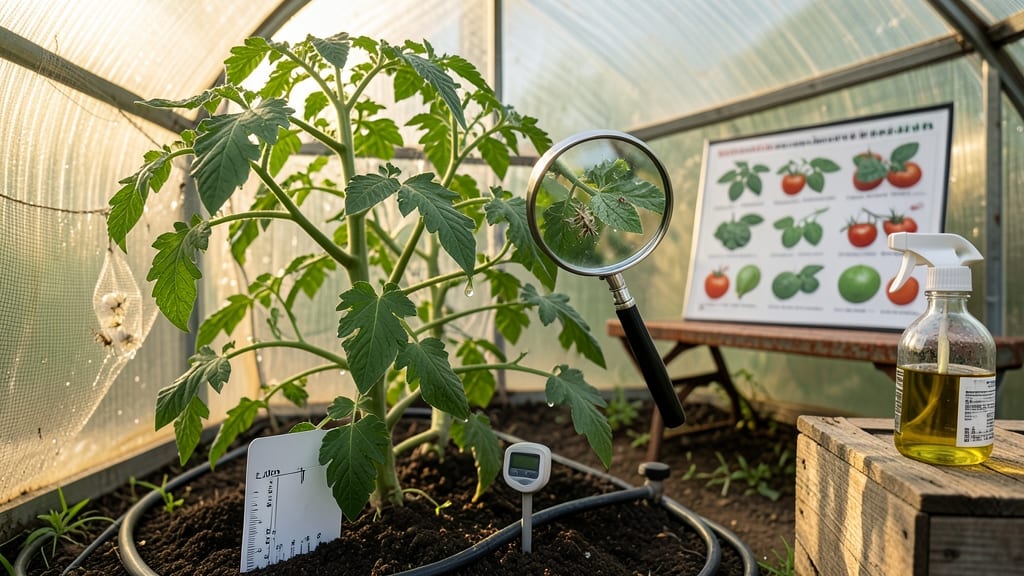
What causes curly leaf can turn your once-smooth foliage into a crinkled mess, and the culprits run from tiny pests to fungal infections. 🌿 I've seen it ruin entire tomato plants in a week—until I learned the telltale signs and how to stop it before it spreads. The key is identifying whether it's spider mites, wind damage, or something more serious like a viral infection.
Most cases start with pests like spider mites or aphids, which suck sap and distort leaves, or environmental stress from sudden temperature swings or strong winds.
Nutrient deficiencies (especially nitrogen) can also cause curling, but the real red flags are sticky residue from pests or fungal spots on the undersides of leaves.
You can fix it organically—neem oil sprays for pests, proper watering to prevent stress, and removing infected leaves immediately. Within 10-14 days, you'll see leaves smoothing out if you catch it early. The secret is acting fast before the whole plant wilts.
Works for tomatoes, peppers, and even houseplants. Here's how to diagnose and treat it before it takes over your garden.
Root Causes of Curly Leaf
Curly leaf isn’t just a random quirk of nature—it’s often a clear sign that your plants are under stress or under attack. Understanding the why behind this distortion helps you take precise action before the problem spirals.
Below, we break down the most common culprits, from microscopic invaders to environmental missteps, with science-backed explanations and actionable insights.
Fungal pathogens are the #1 cause of curly leaf in plants like tomatoes, peppers, and potatoes. Two notorious offenders dominate the scene:
- Alternaria solani (Early Blight) This fungus thrives in warm, humid conditions and targets older leaves first. It releases toxins that disrupt cell function, causing leaves to curl upward (a defensive response to limit water loss).
Look for concentric brown spots with yellow halos—classic Alternaria hallmarks. The fungus spreads via wind, water splashes, or contaminated tools, and its spores can survive in soil for years.
- Cladosporium fulvum (Late Blight) While Phytophthora infestans (the infamous potato blight) is more destructive, Cladosporium also twists leaves into spiral or cup shapes. It thrives in high humidity (75%+) and cooler temps (60–75°F).
Unlike Alternaria, it often starts on younger leaves and spreads rapidly. The key giveaway? Yellowish-green curling paired with a velvety gray mold on leaf undersides.
Why it happens: Fungi exploit weak spots—stressed plants (from overwatering, poor drainage, or nutrient deficiencies) are prime targets. Their spores germinate when leaves stay wet for 6+ hours, triggering oxidative stress in plant cells. The plant’s immune system reacts by curling leaves to reduce surface area and limit fungal spread.
Viruses don’t just make leaves curl—they hijack the plant’s DNA to produce abnormal proteins. The most common culprits in curly leaf cases include:
- Tobacco Mosaic Virus (TMV) This hardy virus (which can survive on tools, hands, and even cigarette smoke!) causes stunted growth, mosaic patterns, and severe curling.
It disrupts chlorophyll production, leading to yellow or white patches between green veins. TMV spreads via sap-sucking insects (aphids, thrips) or human handling (contaminated pruners).
- Cucumber Mosaic Virus (CMV) Affects tomatoes, peppers, and cucurbits, CMV triggers puckering and downward curling of leaves. It thrives in warm weather (70–85°F) and spreads via aphids or infected seeds. Infected plants may also show stunted stems and distorted fruit.
Why it happens: Viruses insert their RNA/DNA into plant cells, forcing them to produce viral proteins instead of normal enzymes. This metabolic chaos leads to cell wall deformities, causing leaves to curl or pucker. Unlike fungi, viruses cannot be cured—only managed through prevention.
Plants don’t need a pathogen to develop curly leaves—extreme or inconsistent conditions can trigger the same response. Common triggers include:
- Temperature Fluctuations Sudden drops below 50°F or spikes above 90°F disrupt cell membrane integrity, causing leaves to cup or roll inward to protect delicate tissues. Heat stress also reduces photosynthesis efficiency, leading to chlorosis (yellowing) and curling.
- Water Imbalances - Overwatering: Soggy soil drowns roots, cutting off oxygen and triggering anaerobic stress. Leaves curl upward to reduce water loss via transpiration. - Underwatering: Dry soil shrinks root zones, causing osmotic stress.
Leaves curl downward in a desperate bid to minimize water evaporation.
- Wind or Hail Damage Physical trauma from strong winds or hail can rupture cell walls, leading to scorch-like curling along leaf edges. Unlike disease, the damage is mechanical—no pathogens involved.
Why it happens: Plants rely on turgor pressure (water-filled cells) to maintain shape. When stressed, abscisic acid (ABA), a stress hormone, signals guard cells to close stomata (pores). This reduces water loss but also distorts leaf structure, causing curling.
A lack of key nutrients can mimic disease symptoms, including curly leaves. The most critical deficiencies:
| Nutrient | Symptoms | Why It Causes Curling |
|---|---|---|
| Magnesium (Mg) | Yellowing between veins (interveinal chlorosis) | Mg is central to chlorophyll production. Deficiency disrupts photosynthesis, leading to weak, curled leaves. |
| Potassium (K) | Scorched leaf edges, weak stems | K regulates water and enzyme activity. Low K causes cell membrane instability, leading to downward curling. |
| Nitrogen (N) | Pale green/yellow leaves, stunted growth | N is vital for protein synthesis. Deficiency slows growth, causing small, curled leaves as the plant conserves energy. |
Why it happens: Nutrient deficiencies disrupt cellular processes, leading to imbalanced growth. For example, low potassium reduces stomatal control, causing leaves to curl inward to retain moisture. Magnesium deficiency in older leaves (since Mg is immobile in plants) leads to chlorosis and structural weakness, prompting curling as a survival tactic.
While pests don’t directly cause curling, their feeding habits damage leaf tissues, triggering a defensive response. Common culprits:
- Aphids & Spider Mites These sap-suckers inject toxins while feeding, causing leaf distortion and curling. Their saliva contains enzymes that disrupt plant hormones, leading to stunted, curled growth. Heavy infestations also reduce chlorophyll, making leaves appear yellowed and puckered.
- Whiteflies Their feeding weakens leaf structure, causing silvering and upward curling. Like aphids, they excrete honeydew, which fosters sooty mold, further stressing the plant.
Why it happens: Pests pierce cells to extract sap, creating wound sites that release ethylene gas—a plant stress hormone. Ethylene accelerates aging (senescence), leading to premature curling and leaf drop as the plant prioritizes survival over growth.
Newly transplanted plants often develop temporary curling as they adjust. The science behind it:
- Root Pruning & Soil Disturbance During transplanting, root tips are severed, reducing water and nutrient uptake. The plant conserves resources by curling leaves to minimize transpiration until roots recover.
- Soil Mismatch Sudden changes in pH, texture, or fertility (e.g., moving from rich garden soil to sterile potting mix) can shock the root zone. The plant curls leaves as a stress response while it adapts.
Why it happens: Transplant shock triggers a cascade of hormonal changes, including a spike in ethylene and abscisic acid (ABA). These hormones signal stomatal closure and reduce cell expansion, leading to temporary curling until the root system stabilizes.
Fixing curly leaf issues naturally
Now that you know what’s causing those unsightly curls and distortions in your plants, it’s time to take action! The good news? Many solutions are simple, organic, and effective.
Below, we’ve mapped out practical fixes for each common cause of curly leaf, along with prevention tips to keep your plants thriving.
If your plants are battling fungal blight, act fast to stop the spread and restore health.
1. Remove and Dispose of Infected Leaves 🗑️
- How to do it: Snip off curled, spotted, or yellowing leaves with clean pruners. Avoid tearing leaves, as this can spread spores.
- Pro tip: 💡 Bag and trash infected leaves immediately—do not compost them, as fungi can survive.
2. Apply a Fungicide Spray 💦
- DIY options:
- Baking soda spray: Mix 1 tsp baking soda + 1 tbsp vegetable oil + 1 tsp mild soap in 1 quart of water.
Spray on leaves (avoid direct sun). - Neem oil solution: Combine 1 tbsp neem oil + 1 tsp soap in 1 quart of water. Spray every 7–10 days. - Store-bought: Use organic copper fungicides (like Copper Soap or Serenade) for severe cases.
3. Improve Air Circulation and Light 🌬️☀️
- Space plants 12–18 inches apart to reduce humidity buildup.
- Prune overgrown foliage to allow sunlight and airflow to reach inner leaves.
- Use a fan on low speed near plants to keep humidity in check.
4. Prevent Future Outbreaks ✨
- Water in the morning so leaves dry quickly.
- Avoid overhead watering—use drip irrigation or soaker hoses instead.
- Rotate crops if growing in the same spot yearly (fungi linger in soil).
Pests twist leaves as they feed, but a few targeted steps can kick them out for good.
1. Blast Off Pests with Water 💦
- How to do it: Spray leaves with a strong stream of water (especially undersides) to dislodge aphids and mites.
- Best time: Early morning or late afternoon to avoid shocking plants.
2. Introduce Beneficial Insects 🐞🐝
- Ladybugs, lacewings, or predatory mites eat aphids and spider mites naturally. Buy them online or from garden centers.
- Plant companion flowers like marigolds or dill to attract these helpers.
3. Use Insecticidal Soap or Oil 🧼
- DIY insecticidal soap: Mix 1 tbsp mild castile soap + 1 quart water. Spray directly on pests (reapply every 5–7 days).
- Horticultural oil: Apply in the evening when temps are below 90°F to avoid burning leaves.
4. Isolate Infested Plants 🏚️
- Move heavily infested plants away from healthy ones until pests are gone.
- Check new plants before bringing them indoors or into the garden.
5. Prevent Pest Return 🛡️
- Inspect leaves regularly (especially undersides) for early signs.
- Remove weeds—they harbor pests and diseases.
- Use reflective mulch (like aluminum foil) to deter whiteflies.
If curls are due to weather, adjust care to protect your plants.
1. Shield from Extreme Heat or Cold 🏜️❄️
- For heat stress: Provide shade cloth (30–50% shade) on hot days.
- For cold stress: Move tender plants to a sheltered spot or use row covers at night.
2. Adjust Watering Practices 💧
- Drought stress? Water deeply 1–2 times per week (check soil moisture 1 inch down).
- Overwatering? Let soil dry slightly between waterings—soggy roots cause curls too!
3. Wind Protection 🌬️
- Use windbreaks (like bamboo screens or tall plants) to shield delicate foliage.
- Stake tall plants to prevent flopping in gusts.
4. Long-Term Prevention 🌱
- Choose heat-tolerant varieties if you live in a hot climate.
- Mulch around plants to regulate soil temperature.
- Gradually acclimate plants to outdoor conditions (harden off seedlings).
If curls stem from poor soil health, a little TLC will turn things around.
1. Test Your Soil 📊
- Use a DIY soil test kit (available at garden centers) or send a sample to a lab for analysis.
- Look for pH imbalances (ideal: 6.0–7.0 for most plants) or nutrient deficiencies (like nitrogen, magnesium, or iron).
2.
Amend the Soil 🌿 - For nitrogen deficiency (yellowing + curling): Add compost, fish emulsion, or blood meal. - For magnesium deficiency (interveinal chlorosis): Sprinkle Epsom salt (1 tbsp per gallon of water) every 2 weeks. - For toxicity (e.g., too much salt or boron): Flush soil with water and avoid chemical fertilizers temporarily.
3. Feed Plants the Right Way 🍽️
- Use organic fertilizers like worm castings, seaweed extract, or compost tea.
- Follow the label—over-fertilizing burns roots and causes stress.
- Water after fertilizing to prevent leaf burn.
4. Prevent Future Issues 🛡️
- Rotate crops annually to avoid nutrient depletion.
- Avoid synthetic fertilizers if your soil is already imbalanced.
- Monitor plant health regularly—catch deficiencies early!
No matter the root issue, these steps help plants bounce back faster:
- Trim damaged leaves to redirect energy to new growth.
- Boost plant immunity with compost tea or kelp extract.
- Be patient—some plants take weeks to recover, but consistent care pays off!
Final Reminder: 🌟 The key to preventing curly leaf is consistent monitoring and quick action. Once you identify the cause, follow the fix, and soon your plants will be back to their lush, healthy selves!
Frequently asked questions about curly leaf issues
Why do my tomato leaves curl upward but stay green?
Upward curling with no yellowing often signals fungal infection like Alternaria solani (early blight) or environmental stress from heat or drought. Check for brown spots with yellow halos—if present, it's likely fungal. For heat stress, provide afternoon shade and water deeply at soil level.
Can curly leaves spread to other plants?
Yes, if caused by fungal diseases (like early blight) or viruses (such as TMV), spores or infected sap can spread via wind, water, or tools. Isolate affected plants immediately and disinfect pruners with rubbing alcohol. For pests, quarantine infested plants to prevent aphids/spider mites from jumping to neighbors.
How long does it take for plants to recover from curly leaf?
Recovery time varies: pest damage may show improvement in 3-7 days with treatment, while fungal infections can take 2-4 weeks to fully resolve. Nutrient deficiencies improve within 2-3 weeks of proper amendments. Remove severely damaged leaves to help plants redirect energy faster.
Is Epsom salt safe for all plants with curly leaves?
Epsom salt (magnesium sulfate) helps with magnesium deficiency (yellowing between veins), but it's not a cure-all. Avoid overusing it—1 tablespoon per gallon every 2 weeks is plenty. For tomatoes, peppers, and citrus, it's beneficial, but avoid on azaleas, blueberries, or rhododendrons (they prefer acidic soil).
Why do my houseplants get curly leaves but outdoor plants don't?
Houseplants often suffer from low humidity (causing crispy edges) or overwatering (root rot triggers curling). Check soil moisture—let top inch dry between waterings. Mist leaves or use a pebble tray to boost humidity. Outdoor plants usually face wind, pests, or fungal diseases instead.