
Pests and Diseases
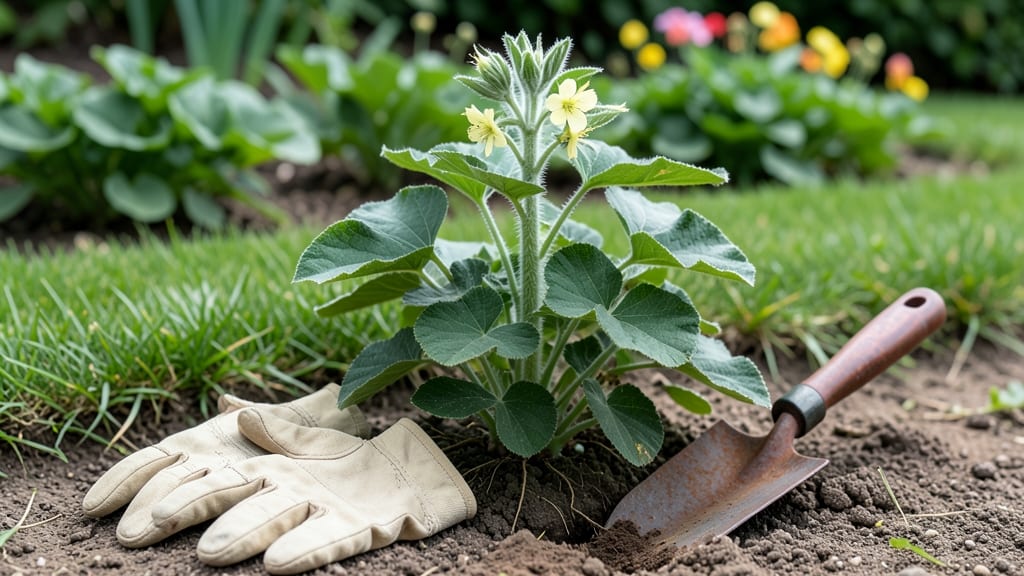
Velvet leaf weed spreads faster than you can say "weed killer." 🌱 I’ve watched it take over garden beds in just a few weeks, smothering flowers and veggies with its fuzzy, silver-green leaves—until I learned these fast-acting natural sprays that work in days, not months.
The problem isn’t just its speed—it’s how it steals nutrients from your plants, leaving them stunted and yellow. Most gardeners pull it by hand, but that’s like playing whack-a-mole.
The real fix? A mix of vinegar, dish soap, and boiling water that dissolves its roots on contact, plus a few cultural tweaks to stop it from coming back.
By next week, your garden will look like it did before the invasion—no more fuzzy invaders choking your soil. The best part? These sprays won’t harm your plants or the bees buzzing around them. Just grab a spray bottle and let’s reclaim your garden.
Works in any climate, from humid Southern gardens to dry Western yards. Here’s the exact formula that’s saved my beds from velvet leaf takeovers—no chemicals, no guesswork.
Root Causes Of Invasive Growth
If you’ve spotted velvet leaf weed (Abutilon theophrasti) creeping into your garden beds or farm fields, you’re not alone—this aggressive annual weed thrives in specific conditions. Understanding why it takes over so quickly is the first step to stopping it.
Below, we break down the key factors that fuel its spread, from soil health to human activity.
Velvet leaf weed thrives in disturbed, nutrient-rich soils—especially those high in nitrogen. Here’s why:
- Competitive advantage: It germinates quickly in loose, tilled soil, outpacing slower-growing crops or native plants. Think of it as a weed bully that snatches resources first.
- Nitrogen love: This weed absorbs nitrogen 10x faster than many crops, depleting soil fertility and leaving your plants starved. 📉
- pH preference: It favors slightly acidic to neutral soils (pH 6.0–7.5). If your soil tests outside this range, velvet leaf weed may still dominate if other conditions are right.
Actionable fix: Improve soil structure with organic matter (compost, mulch) and balance nutrients with a soil test. Avoid over-fertilizing—especially with nitrogen-heavy amendments.
Velvet leaf weed is a light seeker. It germinates en masse when soil is disturbed, such as:
- 🔥 Tilling or plowing: Breaks seed dormancy, exposing buried seeds to sunlight and warmth.
- 🏗️ Construction or landscaping: Exposes compacted soil, creating the perfect germination trigger.
- 🌱 Crop rotation gaps: Bare soil between plantings gives weeds a head start.
Actionable fix: Minimize tilling—use no-till gardening or mulch to suppress weeds naturally. Plant cover crops (like clover or rye) to outcompete velvet leaf weed.
This weed is a tropical opportunist. It germinates in spring but explodes in late summer when:
- Days grow longer: Extended sunlight (12+ hours) triggers rapid growth, especially in warm regions (USDA Zones 5–10).
- Heat tolerance: It thrives in temperatures up to 95°F (35°C), while many crops wilt.
- Moisture spikes: After summer rains, seeds germinate in waves, creating overlapping generations.
Actionable fix: Monitor fields in July–September for new sprouts. Use shade cloth or mulch in high-heat areas to slow germination.
Velvet leaf weed doesn’t just spread on its own—people accelerate it. Common culprits:
| Source | How It Happens | Prevention Tip |
|---|---|---|
| 🚜 Contaminated hay/seeds | Seeds hitchhike in feed, mulch, or saved seeds from infested areas. | Buy certified weed-free seed and test hay for weed seeds. |
| 🛒 Garden tools | Shovels, rakes, and mowers carry seeds to new spots. | Clean tools with bleach solution (1:9 ratio) between uses. |
| 🚗 Vehicle tires | Seeds stick to muddy tires and spread to pastures or roadsides. | Inspect and clean tires after driving on infested areas. |
Actionable fix: Isolate infested areas with barriers (tarps, plastic) and disinfect equipment regularly.
Key takeaway: Velvet leaf weed exploits weaknesses in your garden system—whether it’s nutrient-rich soil, disturbed ground, or human error. By addressing these root causes, you can starve it out before it takes over. 🚫🌱
Quick Fixes for Stubborn Leaf Issues
Now that you understand why velvet leaf weed (or other invasive foliage) takes over your garden, let’s tackle it head-on with practical, natural solutions. Below, we’ve mapped common causes to targeted fixes—plus prevention tips to keep your yard weed-free long-term.
If velvet leaf weed thrives because your lawn or garden is struggling, the first step is strengthening your plants’ defenses.
🔥 Fix: Improve Soil & Watering Habits
- Test your soil (pH and nutrients) and amend with compost or organic fertilizer to crowd out weeds naturally.
- Water deeply but less frequently—this encourages deep root growth in grass/ground cover, leaving less space for weeds.
- Mulch heavily (3–4 inches of wood chips or straw) to block sunlight and smother emerging weeds.
💡 Pro Tip:
Use corn gluten meal (a natural pre-emergent) in early spring to prevent weed seeds from germinating. It’s safe for established plants and breaks down in the soil.
For existing velvet leaf weed, physical removal is often the most effective—especially if caught early.
👨🍳 Step-by-Step Pulling Guide
- Wait for rain or water the area—soil will be softer, making weeds easier to uproot.
- Grab weeds at the base (gloves recommended—velvet leaf has irritating hairs!).
- Pull slowly and firmly—twisting helps extract the entire root (prevents regrowth).
- Bag or compost weeds immediately—never leave them on the ground, or they’ll resprout.
✨ Bonus Hack:
For large patches, try a hand weeder tool (like a dandelion digger) to loosen roots without bending over for hours.
If manual removal isn’t enough, vinegar-based sprays or boiling water can zap velvet leaf weed without harming your plants (used carefully).
🔪 DIY Weed Killer Recipe
Mix in a spray bottle:
- 1 gallon white vinegar (20% acetic acid or higher)
- 1 cup salt (or 1 oz dish soap as a surfactant)
- 1 tbsp citric acid (optional, boosts effectiveness)
How to Apply:
- Spray directly on leaves (avoid desirable plants—vinegar is non-selective!).
- Reapply every 2–3 days until weeds die (usually 1–2 weeks).
- Best for: Driveways, sidewalks, or areas with no plants nearby.
🌡️ Alternative: Boiling Water Treatment
- Pour boiling water directly on weed roots (works well for cracks in pavement or between patio stones).
- Limit to: Non-plant areas—boiling water can damage soil microbes.
The key to a weed-free yard? Prevention. Here’s how to keep velvet leaf weed from returning:
🎯 Prevention Checklist
- Plant densely: Use clover, creeping thyme, or dense ground covers to outcompete weeds.
- Mow high: Keep grass at 3–4 inches to shade out weed seeds.
- Edge beds properly: Use landscape fabric under mulch in garden beds.
- Inspect regularly: Pull new weeds before they seed (velvet leaf spreads fast!).
💡 Pro Tip:
Sow fast-growing cover crops (like winter rye) in bare spots—they’ll smother weeds and improve soil.
Final Note: Velvet leaf weed may be stubborn, but with a mix of soil health, manual effort, and smart sprays, you can reclaim your garden—naturally and effectively. Start with the fixes that match your biggest problem areas, and soon, you’ll be enjoying a lush, weed-free space!
Frequently asked questions
How can I tell velvet leaf weed apart from other weeds?
Velvet leaf weed has distinct fuzzy, silver-green leaves (hence the name) with a palmate vein pattern that looks like a handprint. Its stems are hairy and can grow up to 3 feet tall. Unlike dandelions or clover, it lacks the yellow flowers—its blooms are small and yellow-green. Check the leaf texture: velvet leaf feels velvety to the touch, unlike smooth-leaved weeds.
Will vinegar kill velvet leaf weed permanently?
Vinegar kills the above-ground parts of velvet leaf weed, but it may not destroy all roots—especially if the weed is large. For best results, reapply the spray every 2-3 days until the plant wilts completely. To prevent regrowth, dig up any remaining roots or use a follow-up of boiling water on the soil. For stubborn patches, combine vinegar with 1 cup salt for extra effectiveness.
Can I use vinegar spray around my vegetable garden?
No—vinegar is non-selective and will kill any plant it touches, including your vegetables. Use it only on driveways, sidewalks, or areas with no desirable plants. For garden beds, opt for manual pulling or natural mulches like cardboard + wood chips to smother weeds without harming your crops.
Why does velvet leaf weed keep coming back after I pull it?
Velvet leaf weed produces thousands of seeds that can stay dormant in the soil for years. If you don’t remove the entire root system, the plant will regrow. To break the cycle, mulch heavily (3-4 inches) with straw or leaves to block sunlight, and avoid tilling—this exposes buried seeds to light, triggering new growth.
Is velvet leaf weed toxic to pets or humans?
Velvet leaf weed is not toxic to humans or pets, but its fuzzy leaves can irritate skin. If ingested in large amounts, it may cause mild stomach upset, but it’s not considered dangerous. However, its rapid spread can deplete soil nutrients, harming your plants—and indirectly affecting pets that rely on healthy grass or garden plants for food.