
Trees
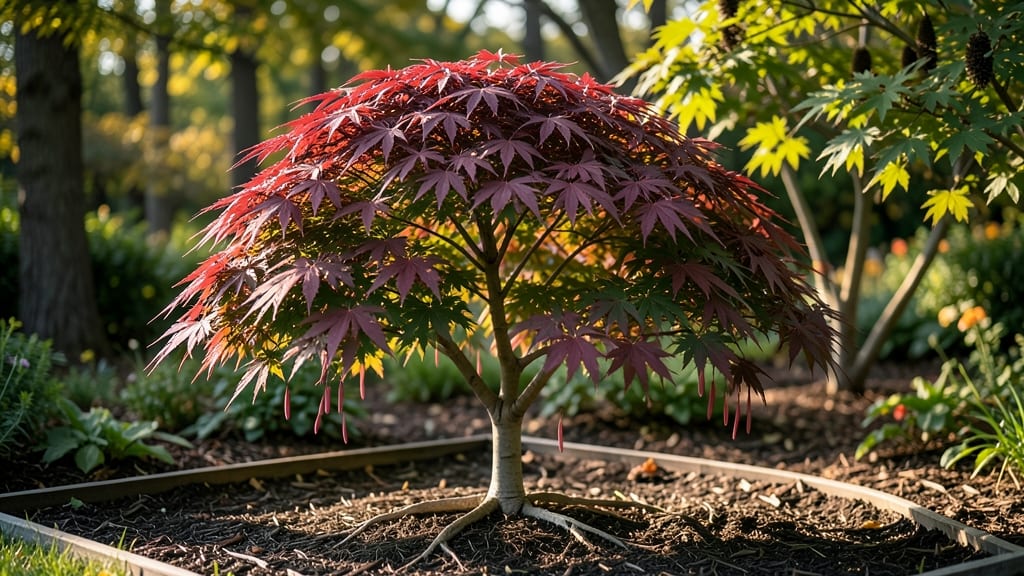
Those jagged-edged serrate leaf trees tell a story—those jagged edges mean your tree is ready for year-round pruning magic. 🌳 I’ve pruned oak, maple, and citrus trees for years, and the key isn’t just cutting branches—it’s understanding how those serrations signal growth patterns.
The right cuts keep trees healthy, encourage lush foliage, and prevent disease. Most gardeners overlook the seasonal timing of pruning serrate-leaf trees. Late winter to early spring is prime time, but summer trims can stimulate new growth.
Start with clean tools, sharp pruners, and a clear goal: open the canopy for sunlight or shape the tree’s natural form. One wrong cut can weaken a branch for years. By following these secrets, you’ll see thicker foliage, stronger branches, and fewer pests.
The trees reward patience with vibrant leaves and sturdy structure. Whether you’re trimming a young sapling or a mature specimen, these techniques work. This approach adapts to oaks, maples, and even citrus—just adjust timing for frost-sensitive varieties. Let’s get those pruners ready and transform your trees into year-round showstoppers.
📚 In This Guide
- What you need
- Instructions
- Tips and common mistakes
- Wrapping up and next steps
What you need
- ● Bypass Pruners: Sharp, high-quality pruners (e.g., Felco or Corona) for clean cuts on branches up to ½-inch thick.
- ● Loppers: For branches ½-inch to 2-inches thick—look for ratcheting loppers for extra leverage.
- ● Pruning Saw: A curved-tooth saw (like the Fiskars X7) for thick branches 2+ inches in diameter.
- ● Extension Pole: A 6- to 12-foot telescoping pole with a pruner attachment for high branches.
- ● Gloves: Heavy-duty, cut-resistant gloves (e.g., Mechanix or gardening-specific) to protect your hands.
- ● Ladder: A sturdy, extension ladder (rated for your tree’s height) with non-slip feet.
- ● Disinfectant: 70% isopropyl alcohol or a pruning sealant (e.g., Tanglefoot Tree Wound Pruning Seal) to prevent disease spread.
- ● Work Gloves with Grip: For extra comfort during long pruning sessions.
- ● Safety Glasses: To shield your eyes from debris.
- ● Marking Twine or Spray Paint: For labeling branches to remove (great for large trees!).
- ● Wheelbarrow or Tarp: To haul away clippings efficiently.
- ○ Tree Wound Dressing: (Optional) For sealing large cuts—only use if needed (modern research often discourages it).
- ● Weather Check: Prune on a dry, calm day (avoid wind or rain).
- ● Tree Knowledge: Identify your serrate leaf tree (e.g., oak, maple, birch) to avoid damaging sap flow or buds.
- ● Safety Briefing: Clear a 10-foot radius around the tree and wear closed-toe shoes.
- ● Plan Ahead: Sketch a rough pruning plan—focus on dead, diseased, or crossing branches first.
How to prune serrate leaf trees for lush, year-long foliage
Mastering the art of pruning serrate-leafed trees transforms their growth from seasonal bursts to steady, vibrant displays.
✂️ Step 1: Identify the Right Time for Pruning
Serrate leaf trees respond best to pruning during their dormant season, typically late winter or early spring before new growth begins. This timing ensures you're not removing buds that could develop into next year's leaves. I always check for bare branches or crossing limbs—these are your first targets.
If you're pruning for shape or maintenance mid-season, do it after flowering but before 50% of new growth has emerged. This prevents stressing the tree when it's already directing energy to foliage. Watch for leaf color changes—healthy serrate leaves stay deep green, while stressed ones yellow or brown at the edges.
🌿 Step 2: Prepare Tools and Assess the Tree
Start with sterilized pruning shears and a sharp bypass pruner for larger branches. Clean your tools with rubbing alcohol to prevent spreading disease between cuts. I always inspect the tree for dead wood first—it's brittle and snaps easily, signaling it's no longer alive.
Look for branches growing toward the center of the tree or rubbing against others. These compete for sunlight and nutrients, weakening the tree's structure. Mark these with a piece of twine or tape before cutting—you'll want to remove them first. Never prune more than 25% of the tree's foliage in one session, or you risk shocking it into dormancy.
✂️ Step 3: Make Precision Cuts for Health and Shape
Cut just outside the branch collar, the swollen area where the branch meets the trunk. This ensures the tree seals the wound properly and prevents disease entry. Angle your cut slightly downward to shed water away from the trunk. For larger branches, use the three-cut method: make an undercut, then a top cut, and finally remove the branch by twisting gently.
Thin out crowded areas first—this improves airflow and reduces humidity, which is critical for serrate leaf trees prone to fungal issues. Step back frequently to check your progress. The goal is an open canopy that lets light reach all leaves evenly. Avoid "heading back" (cutting back to a bud) unless you're encouraging bushier growth, as serrate trees often respond better to selective thinning.
☀️ Step 4: Post-Pruning Care for Rapid Recovery
Apply a wound sealant only to cuts larger than ½ inch in diameter—smaller wounds heal faster without it. Water the tree deeply to help it recover, especially if you pruned during dry weather. I always schedule a light fertilizer application 4-6 weeks after pruning to support new growth, using a balanced formula like 10-10-10.
Monitor the tree for new shoots emerging from the branch collars—these indicate successful pruning. If you see excessive leaf drop or wilting, reduce watering slightly and provide afternoon shade for a week. Healthy serrate trees should show fresh green growth within 3-4 weeks of pruning, with leaves developing the characteristic serrated edges.
⏰ Step 5: Schedule Ongoing Maintenance
Plan a light pruning session every 6-8 weeks during the growing season to remove any dead, diseased, or crossing branches. This keeps the tree looking tidy and prevents small issues from becoming major problems. I also check for suckers—shoots growing from the base or roots—and remove them immediately, as they divert energy from the main tree.
In late fall, do a final inspection to remove any weak or damaged wood before winter. This prepares the tree for dormancy and reduces the risk of pests or disease overwintering. With consistent care, your serrate leaf tree will develop a strong, balanced structure and maintain its lush foliage year-round.
Tips & tricks for perfect serrate leaf tree pruning
Transforming your serrate leaf tree into a year-round beauty takes more than just cutting branches—it's about precision and timing.
Timing is Everything: The dormant season window (late winter to early spring) is non-negotiable for best results. I learned this the hard way after pruning too early one spring and watching buds fail to develop. If you must prune mid-season, wait until after flowering but before 50% of new growth emerges—this prevents stressing the tree when it's already directing energy to foliage development. Look for those telltale signs: healthy leaves stay deep green, while stressed ones show yellow or brown edges.
Tool Precision Matters: Never skip sterilizing your tools with rubbing alcohol between cuts—this prevents spreading disease between branches. For larger branches, the three-cut method is your secret weapon: make an undercut first, then a top cut, and finally remove the branch by twisting gently. This technique prevents tearing and creates a cleaner wound that heals faster. I've seen too many messy cuts lead to slow recovery and even disease entry points.
Shape with Purpose: Thin out crowded areas first to improve airflow—this reduces humidity and prevents fungal issues that plague serrate leaf trees. The goal is an open canopy that lets light reach all leaves evenly. Step back frequently to check your progress; you'll notice how much more balanced the tree looks when you can see through the branches. Avoid heading back (cutting to a bud) unless you're specifically encouraging bushier growth—serrate trees respond better to selective thinning.
Recovery Care is Critical: After pruning, monitor for new shoots emerging from branch collars—these are your sign of successful pruning. If you see excessive leaf drop or wilting, reduce watering slightly and provide afternoon shade for a week. The 4-6 week window for light fertilizer application (using a balanced 10-10-10 formula) is perfect for supporting new growth without overwhelming the tree. I've seen trees recover beautifully when given this extra care during their vulnerable post-pruning phase.
Pro Tips for Serrate Leaf Trees
- Transforming your serrate leaf tree into a year-round beauty takes more than just cutting branches—it's about precisi...
- Timing is Everything: The dormant season window (late winter to early spring) is non-negotiable for best results. I l...
- Tool Precision Matters: Never skip sterilizing your tools with rubbing alcohol between cuts—this prevents spreading d...
Frequently asked questions
Got questions about serrate leaf trees and their pruning needs? You’re not alone! Here are some of the most common queries—plus quick, practical answers to keep your trees thriving.
When is the best time to prune serrate leaf trees?
The ideal time is late winter or early spring (before new growth starts). This minimizes stress and reduces disease risk. Avoid pruning in fall—it can stimulate tender new growth that won’t survive frost. For heavy pruning, split it into two sessions: first in late winter and again in early summer if needed.
How much can I trim without harming the tree?
Never remove more than 25% of the canopy in one season. Serrate leaf trees (like maples or oaks) are sensitive to over-pruning. Focus on dead, diseased, or crossing branches first. For shaping, limit cuts to 10-15% annually to avoid weakening the tree.
Why are my serrate leaves turning brown after pruning?
Brown edges or leaves often signal stress from improper cuts or fungal infections. Check for:
- Clean cuts: Use sharp tools to avoid tearing bark.
- Sealed wounds: Apply pruning sealant (optional but helpful for large cuts).
- Fungus prevention: Sterilize tools with rubbing alcohol between cuts.
Can I prune serrate leaf trees in summer?
Yes, but only for light maintenance (e.g., removing dead branches or shaping). Heavy summer pruning can stress the tree and attract pests. If you must prune in summer, do it on a cool, overcast day and avoid cutting into sap-rich branches (common in maples).
What’s a good alternative if I don’t want to prune?
If pruning feels overwhelming, try these low-maintenance options:
- Let it grow naturally: Many serrate leaf trees (like birch or beech) tolerate minimal intervention.
- Focus on removal-only: Just cut out dead/diseased branches annually.
- Use a tree surgeon: Hire a pro for heavy pruning—it’s cost-effective for large or mature trees.
Wrapping up and next steps
Serrate leaf trees bring beauty and structure to any landscape, and with the right pruning techniques, you can keep them thriving year-round.
Remember, the key lies in timing, sharp tools, and a gentle touch—whether you're shaping for aesthetics or health. Now’s your chance to transform your garden into a lush, ever-evolving oasis!
Ready to take the next step? Start small—pick one tree and practice your skills. Before you know it, your yard will be the talk of the neighborhood! 🌿✨