
Trees
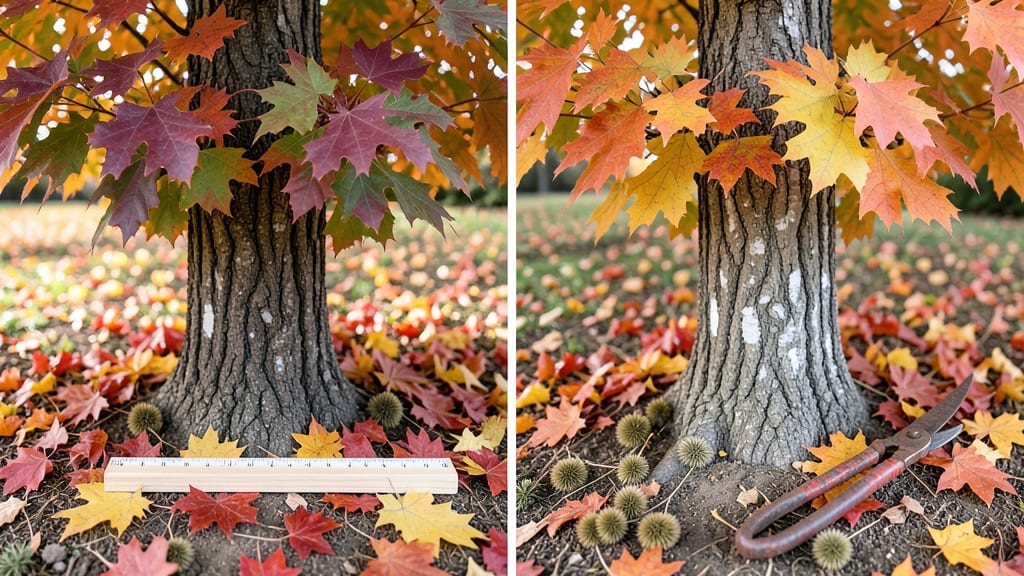
Sweetgum vs. maple leaf isn’t just about fall color—it’s about year-round drama in your garden. 🌿 The sweetgum (Liquidambar) throws star-shaped leaves into the mix, while maples (like sugar or red) deliver classic, fiery foliage.
One’s a bold statement; the other’s timeless elegance. Which will steal the show in your landscape?
Sweetgums win for dramatic texture—their spiky, lobed leaves create movement even when dormant. They grow 50-70 feet tall, making them a towering focal point, but their roots can be aggressive.
Maples, though, offer smoother canopies and those iconic orange-red hues that light up autumn. They’re smaller (30-50 feet) and work beautifully as shade trees or specimen plants.
Both bring wildlife benefits—maples feed birds and squirrels, while sweetgums host spiny seed pods that add winter interest. But here’s the trade-off: sweetgums drop messy "gumballs," while maples shed fewer debris. For low-maintenance curb appeal, maples edge out; for high-impact drama, sweetgums take the crown.
Your choice hinges on space and style. Need a soft, classic look? Go maple. Craving bold, architectural flair? Sweetgum’s your tree. Either way, your garden’s about to get a whole lot more exciting.
The first product explained
Meet the Sweetgum (Liquidambar styraciflua)—a bold, multi-season star that turns your yard into a living postcard! 🌳🎨 This native North American tree isn’t just about flashy fall colors (though its fiery red, orange, and purple leaves are iconic); it’s a year-round workhorse with a personality as dynamic as its foliage. Let’s dive into why this tree might just steal the spotlight in your landscape.
🌿 Specs & Features
Sweetgum trees are fast-growing (expect 2-3 feet per year!) and can reach heights of 50-75 feet with a sprawling, rounded canopy.
Their star-shaped leaves (3-6 inches wide) are a textural delight, and their spiky seed pods (aka "gumballs") add a whimsical touch—though they can be a nuisance if you dislike cleanup. Here’s the breakdown:
| Feature | Details |
|---|---|
| Growth Rate | Moderate to fast (2-3 ft/year) |
| Mature Height | 50-75 ft (can be pruned smaller) |
| Canopy Spread | 30-50 ft (great for shade!) |
| Fall Color | Vibrant red, orange, purple (varies by cultivar) |
| Hardiness Zones | 4-9 (cold-hardy and adaptable) |
| Soil Tolerance | Adaptable but thrives in moist, well-drained soil |
🎯 Target Users
The Sweetgum is perfect for:
- Homeowners who want a low-maintenance tree with dramatic seasonal interest.
- Landscapers seeking a fast-growing shade tree for parks, medians, or large properties.
- Nature lovers who adore wildlife-friendly trees (birds and squirrels adore the gumballs!).
- Urban gardeners in smaller spaces—dwarf cultivars like 'Dwarf Sweetgum' stay compact (15-20 ft tall).
💰 Price Point
Prices vary by size and location, but here’s a general range for container-grown Sweetgums:
- 5-gallon saplings: $40–$80
- 15-gallon trees (4-6 ft tall): $100–$200
- Mature balled-and-burlapped (B&B) trees (15-20 ft): $300–$600+
Pro tip: 💡 Buy from local nurseries for healthier stock and species-specific advice. Plus, some sellers offer fall discounts—perfect timing for planting!
The second product explained
Meet the Maple Leaf: The Graceful Contender 🍁✨
The Maple Leaf tree—specifically the Acer saccharum (Sugar Maple) or Acer rubrum (Red Maple)—stands as a timeless classic in the foliage world. Known for its iconic, star-shaped leaves and vibrant autumn hues, this tree is a staple in gardens, parks, and urban landscapes.
Whether you're drawn to the deep reds of the Red Maple or the fiery oranges of the Sugar Maple, this tree delivers year-round visual interest, from delicate spring blooms to striking winter silhouettes.
📏 Key Specs & Features
- Mature Height: 40–75 ft (depending on variety)
- Spread: 30–50 ft (broad, rounded canopy)
- Growth Rate: Moderate (1–2 ft per year)
- Leaf Color:
- Red Maple: Bright red to orange in fall
- Sugar Maple: Golden-yellow to fiery orange
- Sunlight Needs: Full sun to partial shade
- Soil Tolerance: Adaptable (prefers well-drained soil)
- Wildlife Value: Attracts birds, butterflies, and bees
- Lifespan: 150–200+ years (with proper care!)
🎯 Target Users
This tree is a versatile favorite for:
- 🏡 Homeowners seeking low-maintenance, high-impact curb appeal
- 🌳 Landscapers designing seasonal color palettes
- 🌿 Eco-conscious gardeners who love supporting local wildlife
- 🎨 Artistic souls who adore the photogenic beauty of maple leaves
- 🏙️ Urban planners for shade and pollution-tolerant greenery
💰 Price Point & Value
Pricing varies by size and variety, but here’s a general breakdown:
| Size | Price Range (USD) | Best For |
|---|---|---|
| 5-gallon sapling | $50–$100 | New plantings, small yards |
| 15-gallon tree | $150–$300 | Established landscapes, privacy screens |
| Mature balled-and-burlapped (B&B) | $500–$1,500+ | Instant impact, large properties |
Pro Tip: 💡 Fall is the best time to plant! Cooler temps and moisture help roots establish before winter.
Head-to-head comparison
Ready to dive into the sweetgum vs. maple leaf showdown? These two trees bring distinct flavors to your garden—one with fiery fall drama and the other with elegant, year-round charm.
Below, we break down their key differences in a side-by-side comparison to help you decide which tree will steal the spotlight in your outdoor space. 🌳🍂
🌿 Growth & Size
If space is a factor, this is where the two trees diverge dramatically.
| Sweetgum (Liquidambar styraciflua) | Maple Leaf (Acer palmatum) |
|---|---|
|
|
Pro Tip: 💡 If you’re working with limited space, the maple leaf is the clear winner—its smaller stature makes it perfect for urban gardens or as a focal point in smaller yards. The sweetgum, on the other hand, is a statement piece for larger properties.
🍁 Foliage & Seasonal Interest
This is where both trees shine—but in wildly different ways.
| Sweetgum | Maple Leaf |
|---|---|
|
|
Pro Tip: 🌡️ If you love bold, fiery fall colors, the sweetgum is unbeatable. But if you prefer subtle, refined beauty with year-round interest, the maple leaf’s graceful form and cultivars (like Emperor I or Crimson Queen) will win you over.
🌧️ Climate & Hardiness
Not all trees thrive everywhere. Here’s how these two handle the elements.
| Sweetgum | Maple Leaf |
|---|---|
|
|
Pro Tip: ✨ If you live in a warmer climate (Zones 8–9), the sweetgum will thrive and reward you with dramatic fall color. For cooler regions (Zones 5–6), the maple leaf is more reliable, especially if you choose cold-hardy cultivars like Dissectum or Sango-kaku.
💰 Cost & Maintenance
Your wallet—and your weekends—will thank you for considering these factors.
| Sweetgum | Maple Leaf |
|---|---|
|
|
Pro Tip: 🎯 If you’re on a budget, the sweetgum is the more affordable option upfront. However, the maple leaf’s lower maintenance needs (especially in small spaces) can save you time—and frustration—in the long run. Plus, if you invest in a container-grown maple, you can enjoy its beauty without the hassle of large-tree upkeep!
🛡️ Durability & Pests/Diseases
No tree is invincible, but some handle challenges better than others.
Which one should you choose?So, which tree steals the spotlight in your yard—Sweetgum or Maple Leaf? The answer depends on your priorities, whether it’s dramatic fall color, low-maintenance charm, or wildlife-friendly vibes. Let’s break it down so you can pick your perfect champion! 🌳 Pick Sweetgum If...
🍁 Pick Maple Leaf If...
🤝 The Ultimate Tiebreaker?Still undecided? Consider this:
Pro tip: 💡 If you’re torn, why not plant both? Pair a Maple as your “anchor” tree with a Sweetgum as a wildcard statement piece for maximum garden flair! Ready to transform your outdoor space? Grab your gloves, pick your champion, and get planting—your future fall foliage self will thank you! 🍂🌟 |
|---|