
Planting
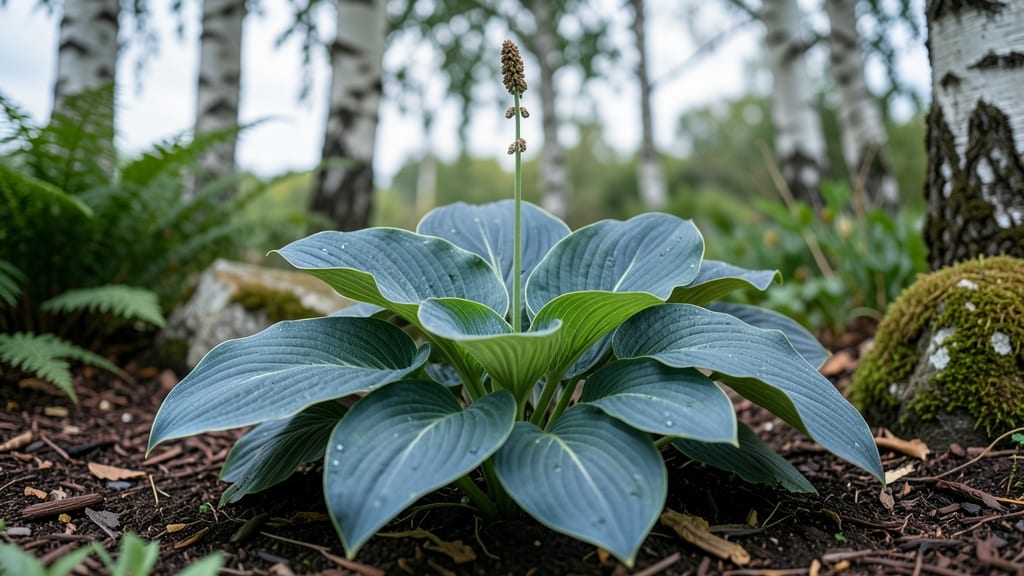
Rounded leaf plants bring that lush, velvety texture to any space—whether it's your kitchen windowsill or a sunny patio corner. 🌿 I've grown everything from pothos to hostas, and the secret to keeping them thriving lies in understanding their simple needs: bright (but not scorching) light, well-draining soil, and just enough water to keep their roots happy—not soggy.
These plants are the ultimate beginners' friends because they forgive mistakes better than most.
Most rounded-leaf plants—like money plants, peace lilies, or hostas—love indirect light but will tolerate lower light conditions, making them perfect for apartments or shaded gardens. The key is matching their natural habitat: tropical plants (think pothos) want humidity, while hardy hostas prefer cooler, moister soil.
With the right pot and a little attention to watering, you'll see those glossy leaves stay vibrant all year.
What you'll end up with is a collection of plants that grow fast, spread easily, and reward you with lush foliage that turns heads. Hostas add texture to shady garden beds, while pothos cascades beautifully in hanging pots.
The best part? Many of these plants can be propagated from cuttings—meaning free plants for friends or extra pots for your own home.
Whether you're dealing with yellowing leaves, slow growth, or pests, there's a simple fix. Rounded-leaf plants are tough once you get their basics right, and with a few adjustments, you'll have a thriving green corner that feels like a mini jungle. Let's get those leaves looking their best!
Common Causes Behind Leaf Rounding
If your once-vibrant foliage is now sporting rounded edges instead of its usual sharp or serrated shape, don’t panic—it’s often a sign of stress rather than a death sentence. Understanding the root causes helps you address the issue before it affects the plant’s overall health.
Below, we break down the most common reasons why leaves might start curling or rounding, along with actionable science-backed fixes.
Plants, like us, need the right balance of nutrients to thrive. When soil lacks essential elements—or gets overloaded with fertilizers—leaves can respond by rounding or puckering. Here’s what’s likely happening:
- Nitrogen Deficiency:
Nitrogen is crucial for leaf development. Without enough, new growth becomes stunted, and existing leaves may develop rounded, cupped edges. This is especially common in fast-growing plants like coleus or peperomia.
✨ Pro Tip: Test your soil’s pH (ideal: 6.0–7.0 for most plants) and amend with organic matter like compost or a slow-release nitrogen fertilizer (e.g., fish emulsion).
- Over-Fertilization (Salt Burn):
Too much fertilizer—especially synthetic blends—can cause osmotic stress, where excess salts draw moisture out of leaf cells. This forces edges to curl or round as the plant conserves water.
💡 Fix: Flush the soil with water to leach out excess salts, then switch to a balanced, organic fertilizer (e.g., worm castings or seaweed extract). Reduce feeding frequency to every 4–6 weeks.
- Calcium or Magnesium Deficiency:
These minerals help maintain cell structure. A lack of calcium (common in acidic soils) or magnesium (often tied to overwatering) can weaken cell walls, leading to rounded, brittle leaves.
🔥 Solution: Add crushed eggshells (for calcium) or Epsom salt (1 tsp per gallon of water, monthly) to correct deficiencies.
Water is the lifeblood of plants, but imbalances—whether drought or soggy soil—can trigger leaf rounding as a survival tactic. Here’s how to spot the issue:
| Symptom | Cause | Fix |
|---|---|---|
| Leaves feel crispy at the edges | Underwatering or dry air (low humidity) | Water deeply until it drains from the bottom, then let the top inch of soil dry out before watering again. Group plants together to raise humidity. |
| Yellowing between veins + rounded, limp leaves | Overwatering (root rot or fungal issues) | Check soil moisture with your finger—if it’s soggy, repot in fresh, well-draining mix (add perlite or orchid bark). Ensure pots have drainage holes. |
| Leaves round up only in the morning | Normal transpiration stress (common in arid climates) | Mist leaves lightly in the evening or use a humidity tray. Avoid placing near heaters or AC vents. |
🎯 Key Insight: Most container plants prefer consistent moisture—never let them dry out completely, but avoid waterlogged conditions. A moisture meter can help!
Plants are sensitive to their surroundings, and sudden changes in light or temperature can cause leaves to round as a protective response. Here’s how to diagnose:
- Insufficient Light:
Low light weakens photosynthesis, leading to etiolation (stretched, rounded leaves). Common in snake plants or ZZ plants kept in dim corners.
🌡️ Fix: Move to bright, indirect light (e.g., near an east-facing window). Supplement with a grow light (12–14 hours/day) if natural light is lacking.
- Direct Sunburn:
Too much harsh sunlight (especially in containers) can scorch leaves, causing edges to curl or round as cells dry out. Look for bleached or crispy patches.
🔥 Solution: Acclimate plants gradually to sunlight (a process called hardening off). Use sheer curtains to filter light or place plants a few feet from the window.
- Temperature Fluctuations:
Drafts, cold windowsills, or heaters can shock plants. Leaves may round up to reduce surface area and limit water loss.
🏡 Action Steps:
- Avoid placing containers near doors, vents, or radiators.
- Use a thermometer to monitor ideal temps (most tropical plants thrive at 65–75°F).
- In winter, lift pots off cold surfaces (like concrete) with a saucer or stand.
While less obvious, pests and diseases can silently damage leaves, causing them to round or distort. Here’s how to spot and treat them:
- Spider Mites or Aphids:
These tiny pests suck sap from leaves, leading to stunted growth and rounded, puckered foliage. Check the undersides of leaves for webbing or sticky residue.
👨🍳 Treatment: Wipe leaves with a neem oil solution (1 tsp neem oil + 1 tsp mild soap per quart of water). Repeat every 5–7 days until pests vanish.
- Fungal Infections (e.g., Powdery Mildew):
High humidity + poor airflow can encourage fungi, causing leaves to yellow and round with a white powdery coating.
🌡️ Cure: Improve airflow by spacing plants apart. Spray leaves with a baking soda mix (1 tsp baking soda + 1 quart water + a drop of soap) weekly.
- Bacterial Leaf Spot:
Dark, rounded spots with yellow halos can signal bacterial infections, often from overwatering or contaminated tools.
⏰ Quick Fix: Remove infected leaves immediately. Sterilize pruners with rubbing alcohol, and reduce watering. Apply copper fungicide as a preventative.
💡 Remember: Rounded leaves are rarely fatal, but they’re your plant’s way of saying, “Something’s off!” Start with the basics—check water, light, and soil—before diving into deeper fixes. With the right adjustments, your plant’s leaves should bounce back to their original shape in weeks.
Fixing Common Leaf Issues
Growing a lush, rounded leaf plant in containers is rewarding, but even the hardiest varieties can face challenges. Whether your leaves are curling, yellowing, or dropping, these practical fixes will help you revive your plant’s health—and keep it thriving year-round.
---
Yellowing leaves are often a sign of overwatering or underwatering, but the solution is simple once you identify the root cause.
🔍 Check the soil moisture: - Stick your finger 1-2 inches deep into the soil. If it’s soggy, your plant is drowning. If it’s bone-dry, it’s thirsty.
💧 Adjust your watering routine: - Overwatered? Let the top 2-3 inches of soil dry out before watering again. Empty saucers after watering to prevent root rot. - Underwatered? Water deeply until it drains from the bottom, then wait until the top layer feels dry before repeating.
💡 Prevention tip: Use well-draining potting mix with perlite or sand, and ensure your container has drainage holes.
---
Curling leaves or brown, crispy edges usually mean your plant is struggling with humidity or too much salt buildup from fertilizer.
🌫️ Boost humidity naturally: - Place a pebble tray under the pot filled with water and pebbles. - Group plants together to create a microclimate. - Mist leaves lightly in the morning (avoid evening to prevent fungal issues).
🧴 Flush the soil: - Run water through the soil for 30 seconds to leach out excess salts. - Reduce fertilizer to half-strength and apply only every 6-8 weeks in growing season.
💡 Prevention tip: Wipe leaves with a damp cloth weekly to remove dust, which blocks moisture absorption.
---
Sudden leaf drop is often a reaction to temperature swings, drafts, or improper light exposure.
🌡️ Stabilize the environment: - Keep your plant away from AC vents, heaters, or cold drafts. - Avoid placing it near windows in direct afternoon sun (use sheer curtains if needed).
💡 Prevention tip: If moving your plant, acclimate it gradually over 3-5 days to new light conditions.
---
Tiny webs or sticky residue on leaves? Pests are likely the culprit.
🕷️ Treat infestations gently: - Neem oil spray: Mix 1 tsp neem oil + 1 tsp mild soap + 1 quart water. Spray every 5-7 days until pests vanish. - Insecticidal soap: Apply directly to affected areas (test on a small leaf first).
💡 Prevention tip: Inspect new plants before bringing them indoors, and quarantine them for a week.
--- If your rounded leaf plant stretches toward light with sparse foliage, it’s begging for more brightness.
💡 Move it closer to a south- or west-facing window (or use a grow light 12 inches away for 12-14 hours/day). 🌱 Rotate the pot weekly to ensure even growth.
--- Mushy stems, foul-smelling soil, or wilting despite watering? Root rot is likely.
🔥 Act fast: 1. Remove the plant from its pot and trim black, mushy roots with sterilized scissors. 2. Repot in fresh, dry soil with perlite or orchid bark for better drainage. 3. Skip watering for 3-5 days to let roots recover.
💡 Prevention tip: Never let plants sit in saucers of water—empty them after watering.
--- Final Thought: Most issues with rounded leaf plants stem from water, light, or environment mismatches**. By adjusting one variable at a time, you’ll see a swift turnaround. Keep an eye on your plant’s signals—it’s always communicating! 🌿✨
Frequently asked questions
What are the best rounded leaf plants for beginners?
Start with easy-care varieties like pothos (money plant), peace lilies, or snake plants. These thrive in low light and forgive occasional watering mistakes. Hostas are another great option for outdoor spaces—they love shade and grow quickly with minimal fuss.
How often should I water my rounded leaf plant?
Check soil moisture by sticking your finger 1-2 inches deep. Water when the top layer feels dry—usually every 7-10 days for most varieties. Overwatering is the #1 killer, so always use pots with drainage holes and empty saucers after watering.
Can I propagate my rounded leaf plant from cuttings?
Most rounded leaf plants like pothos or philodendrons root easily in water. Take a 4-6 inch cutting with at least 2 nodes, place it in water, and change the water every 3-5 days. Roots appear in 2-4 weeks. For soil propagation, use moist perlite or sphagnum moss.
Why are my rounded leaves turning yellow?
Yellowing usually means overwatering or poor drainage. Let the soil dry out completely between waterings and ensure your pot has drainage holes. Check for root rot by gently pulling the plant—if roots smell foul or look mushy, repot in fresh soil with perlite.
What's the best fertilizer for rounded leaf plants?
Use a balanced, water-soluble fertilizer (like 10-10-10) diluted to half-strength every 6-8 weeks during spring/summer. For organic options, try fish emulsion or worm castings. Avoid fertilizing in winter when growth slows.