
Shrubs
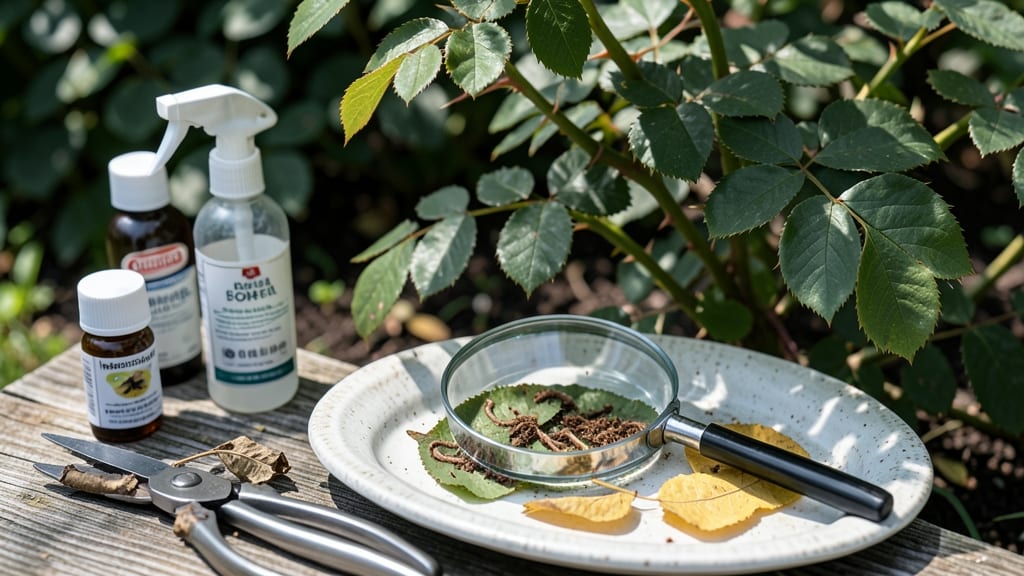
Your roses' leaves are turning blotchy and speckled with frass—this is the telltale sign of rose leaf miners wreaking havoc. 🌿 I've battled these tiny pests myself, and I'll show you how to stop them in their tracks using a natural spray that works in just 24 hours without harsh chemicals.
The damage starts small—tiny white trails on leaves—but if ignored, it spreads fast, weakening your roses. The key is acting quickly: a simple spray with neem oil, insecticidal soap, and water disrupts their life cycle. You'll see results within a day, and your plants will bounce back stronger than ever.
This method isn't just effective—it's gentle on your roses and the environment. No more struggling with wilting leaves or stunted growth. By the end of the week, your bushes will look refreshed, and those pesky miners will be history.
Works for all rose varieties, from hybrid teas to climbers. Let's get those leaves healthy again—naturally and fast.
Hidden Invaders Behind Leaf Damage
Those serpentine trails and blistered leaves on your roses aren’t just bad luck—they’re the work of tiny, relentless pests. Understanding why these problems start helps you stop them before they spiral. Here’s the science behind the chaos, broken down into the real culprits and their sneaky strategies.
Most damage begins with adult rose leaf miners—tiny, delicate moths (often Phyllocnistis citrella or Caloptilia species)—that emerge in spring or early summer. These moths are masters of disguise, blending into foliage as they lay tiny, translucent eggs on the underside of leaves.
Within days, the eggs hatch into larvae, which burrow into the leaf tissue, creating the telltale serpentine mines.
Why it happens:
- Timing: Egg-laying peaks during warm, humid weather (60–85°F), when roses are actively growing. Moths are most active at dawn and dusk, avoiding predators.
- Leaf preference: New, tender leaves are their favorite—larvae can’t penetrate thick, mature foliage as easily.
- Rapid reproduction: A single female can lay 50–100 eggs in her lifetime, leading to outbreaks if unchecked.
Actionable insight: 🔍 Check the undersides of new growth weekly—early detection means fewer mines. Yellow sticky traps placed near roses can also catch adult moths before they lay eggs.
Leaf miners thrive in warm, moist environments. When temperatures hover between 70–85°F (21–29°C) and humidity is high, their life cycle accelerates—eggs hatch faster, larvae grow bigger, and moths reproduce more aggressively.
Why it happens:
- Slower leaf drying: Humidity keeps leaves lush, making them easier for larvae to penetrate and mine.
- Moth activity surge: Warm nights trigger moths to fly and mate, increasing egg-laying.
- Weakened plants: Overwatering or poor drainage creates stress, making roses more susceptible to infestations.
Actionable insight: 🌡️ Monitor weather forecasts—if heat and humidity are forecasted, inspect roses every 3–4 days. Improve airflow around plants (prune dense foliage) to reduce humidity at leaf level.
Healthy roses can tolerate some leaf miner activity, but stressed plants become buffet tables for these pests. Overcrowding, nutrient deficiencies, or improper pruning create the perfect storm for infestations.
Why it happens:
- Thin, weak leaves: Stressed roses produce lighter, more tender leaves that larvae can easily tunnel through.
- Reduced natural defenses: Healthy roses secrete resin or wax that can deter pests, but stressed plants lose this protection.
- Sheltered hiding spots: Dense foliage provides ideal microclimates for moths to lay eggs without predator interference.
Actionable insight: 💡 Boost rose health proactively:
- Prune to improve airflow (remove 1/3 of old growth in early spring).
- Fertilize with balanced, organic nutrients (too much nitrogen = soft, vulnerable leaves).
- Avoid overwatering—keep soil moist but not soggy.
In nature, leaf miners face a gauntlet of predators—birds, parasitic wasps, and beneficial insects like lacewings and ladybugs. But in urban or heavily treated gardens, these natural checks often vanish, allowing leaf miner populations to explode.
Why it happens:
- Pesticide use: Broad-spectrum chemicals kill both pests and predators, leaving leaf miners unchallenged.
- Monoculture planting: Gardens with only roses offer no diversity for predator species to thrive.
- Habitat loss: Removing ground cover or wildflowers eliminates shelter for beneficial insects.
Actionable insight: ✨ Encourage predators naturally:
- Plant companion flowers like alyssum, dill, or marigolds to attract parasitic wasps.
- Avoid harsh chemical sprays—opt for targeted, organic solutions (see our spray guide for safe options).
- Add birdhouses or baths to invite insect-eating birds.
Quick Fixes for Leaf Damage
Discovering tiny, serpentine trails or webbing on your rose leaves can be alarming, but the good news is that early action can stop the damage in its tracks.
Below, we’ve mapped out practical solutions based on the root cause—whether it’s active larvae, new infestations, or preventing future outbreaks. Each method is designed to be effective, safe for roses, and easy to implement—no harsh chemicals required.
The fastest way to halt an outbreak is to physically remove leaves with visible larval trails or mining patterns. Larvae are most vulnerable when exposed, so acting quickly disrupts their lifecycle.
- 👨🍳 Step 1: Wear gloves and inspect leaves under bright light to spot white or brown serpentine lines.
- 🔪 Step 2: Snip or pluck infested leaves with sharp scissors or your fingers (drop them in a sealed bag to kill larvae).
- ⏰ Step 3: Repeat every 2–3 days for 2 weeks to catch newly hatched larvae.
✨ Pro Tip: Focus on new growth and lower leaves, where larvae often start. Don’t compost infested leaves—burn or trash them to prevent reinfestation.
Once larvae burrow into leaves, they’re protected, but contact sprays can still suffocate them. These remedies are rose-safe and disrupt the larvae’s ability to feed.
🌿 Homemade Neem Oil Spray (Best for Active Outbreaks)
Neem oil disrupts larval feeding and repels adult moths (their parent pests). Use it at dusk for maximum effectiveness.
| Ingredient | Amount |
|---|---|
| Cold-pressed neem oil | 1 tbsp |
| Dish soap (or liquid castile soap) | ½ tsp |
| Water | 1 quart |
👨🍳 How to Apply:
- Mix ingredients in a spray bottle and shake well.
- Spray both sides of leaves until glistening (focus on new growth).
- Reapply every 5–7 days until no new damage appears.
💡 Why It Works: Neem oil contains azadirachtin, which stops larvae from molting and repels adult moths before they lay eggs.
🥘 Horticultural Oil Spray (For Stubborn Infestations)
If neem isn’t enough, a horticultural oil spray (like dormant oil) can smother larvae on contact. Use this only in warm weather (above 50°F) to avoid leaf burn.
👨🍳 Quick Recipe: Mix 1–2 tbsp of oil per quart of water with a drops of soap as a sticking agent. Spray thoroughly at dusk and repeat weekly.
Once you’ve treated an infestation, block adult moths from laying eggs to prevent recurrence. These low-effort strategies create a hostile environment for pests.
🛡️ Physical Barriers (Best for Greenhouses or Potted Roses)
- 🔥 Fine Mesh Netting: Cover rose bushes with 1mm mesh (like floating row cover) to block moths. Secure edges tightly and leave open at the bottom for ventilation.
- 🌡️ Sticky Traps: Place yellow sticky cards near roses to catch adult moths. Replace every 2 weeks.
🎯 Beneficial Insects (Long-Term Defense)
Encourage natural predators like parasitic wasps (e.g., Chrysocharis parksi) or ladybugs, which feed on leaf miner larvae. Purchase them from garden centers or attract them with:
- 🌿 Dill or fennel plants nearby (they love the scent).
- 💧 Water sources like shallow dishes with pebbles.
Stop leaf miners from returning with these proactive habits:
- 🌱 Prune regularly to improve airflow and remove hiding spots.
- 💦 Water deeply but infrequently—wet leaves attract moths.
- 🌿 Rotate sprays (e.g., neem one week, horticultural oil the next).
- 🔍 Inspect new plants before adding them to your garden.
- 🌡️ Avoid over-fertilizing with nitrogen—soft new growth is a leaf miner buffet!
✨ Final Tip: If you spot damage early, you can often reverse it in 24–48 hours with neem oil + leaf removal. Wait too long, and the larvae will pupate into moths, restarting the cycle. Act fast, and your roses will bounce back beautifully!
Frequently asked questions
What do rose leaf miner eggs look like?
Rose leaf miner eggs are tiny, translucent specks (about 0.5mm wide) that resemble tiny grains of rice or clear droplets. You'll find them clustered on the undersides of new leaves, often near leaf veins. They're nearly invisible at first but become more noticeable as they grow.
Can I use regular dish soap to treat rose leaf miners?
Yes, but with caution! Mix 1 teaspoon mild dish soap (like Dawn) with 1 quart of water and spray it directly on infested leaves. This suffocates larvae on contact. For best results, add 1 tablespoon of neem oil to the mix—this combo works faster and disrupts their life cycle better than soap alone.
Will pruning alone stop a rose leaf miner infestation?
Pruning helps, but it's not enough to stop an active infestation. While removing heavily damaged leaves reduces larval populations, adult moths will keep laying eggs. Combine pruning with neem oil sprays (applied every 5-7 days) and yellow sticky traps to break their life cycle completely.
Are rose leaf miners harmful to humans or pets?
No, they pose no direct threat to humans or pets. The larvae feed only on plant tissue, and the adult moths don't bite. However, their frass (insect waste) can be unsightly and may stain surfaces if it falls on patios or clothing. Always wear gloves when handling infested leaves to avoid skin irritation from sap or oils.
How do I know if my roses are recovering from leaf miners?
Look for new, undamaged leaves emerging without serpentine trails or frass. Healthy recovery signs include:
- Bright green new growth (not yellowing)
- No visible white larval trails
- Fewer adults being caught on sticky traps
With consistent treatment, you should see improvement within 2-3 weeks.