
Leaf Blower
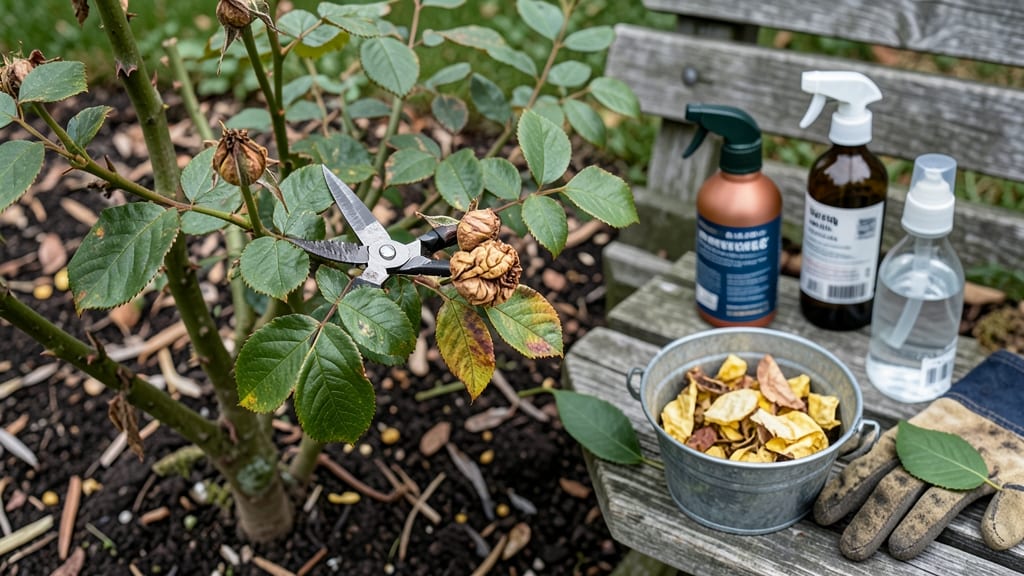
Your roses' curling leaves and mysterious spots aren't a death sentence—neem oil can turn things around. 🌿 I've saved multiple bushes from leaf curl by catching it early and using this organic treatment, and the results speak for themselves: new growth appears within weeks, and the plant rebounds stronger than ever.
The disease starts with tiny yellow spots that curl leaves into tight, distorted shapes—your first clue is when buds fail to open properly.
Most gardeners panic and prune too aggressively, but the real fix is a 3-step routine: clean up fallen leaves, apply neem oil weekly, and avoid overhead watering until the new growth hardens off.
By midseason, you'll see the difference: vibrant green leaves unfurling, more buds setting, and a bush that looks like it just got a spa day. The key is consistency—don't stop treatments until you've seen two full cycles of new growth without symptoms.
Works for hybrid teas, floribundas, and even old garden roses. Here's how to do it right the first time—no more guessing or lost blooms.
Root Causes of Leaf Curl
Rose bushes are prized for their beauty, but when their leaves start curling and developing unsightly spots, it’s often a sign of stress or infection. Understanding the why behind rose leaf curl is the first step toward effective treatment—especially when using natural remedies like neem oil.
Below, we break down the key culprits, backed by science, so you can tackle the problem at its source.
Rose leaf curl is most commonly caused by Phragmidium mucronatum, a fungus that thrives in damp, humid conditions. This pathogen overwinters on fallen leaves and infected plant debris, then spreads via spores during spring rains or overhead watering. Once it infects a leaf, it disrupts normal cell growth, causing:
- Thickened, leathery leaves (due to abnormal cell division in the palisade mesophyll layer).
- Orange-yellow pustules on the undersides of leaves (the fungus’s spore-producing structures).
- Curling and distortion as the leaf struggles to photosynthesize efficiently.
Actionable insight: Fungal spores love moisture, so water roses at the base (never overhead) and avoid planting in low-lying areas where water pools. Neem oil disrupts fungal cell membranes, making it a powerful preventive and curative tool.
While fungi are the primary cause, sap-sucking insects like spider mites, aphids, and rose slugs (sawfly larvae) can also trigger leaf curling. These pests inject toxins or feed on sap, starving leaves of nutrients and causing:
- Stunted growth from disrupted cytokinin and auxin hormones (plant growth regulators).
- Silvery webbing (mite damage) or sticky residue (aphid honeydew).
- Yellowing or browning edges as cells die from dehydration.
Key difference: Pest damage often appears localized (e.g., curled edges) rather than systemic like fungal infections. Neem oil also works here by smothering eggs and disrupting insect exoskeletons.
Not all leaf curl is infectious—sometimes, roses react to physical stress from their environment. Common triggers include:
| Stressor | How It Causes Curling |
|---|---|
| Extreme heat or drought | Leaves curl upward to reduce water loss (a survival mechanism called transpiration reduction). |
| Cold or frost damage | Cells rupture or plasmolyze (shrink from ice crystals), leading to downward curling and brown edges. |
| Poor soil drainage | Root asphyxiation from anaerobic conditions (lack of oxygen) starves leaves of nutrients, causing cupping and spots. |
| Nutrient deficiencies |
|
Pro tip: If environmental stress is the culprit, adjust care routines—mulch to retain moisture, water deeply but infrequently, and test soil pH (roses prefer 6.0–6.5). Neem oil won’t fix soil issues, but it can reduce secondary infections from stressed plants.
While less common, viruses (like rose rosette virus, spread by mites) or bacteria (e.g., Pseudomonas syringae) can also cause curling. Symptoms often include:
- Witches’-broom growth (dense, tangled shoots from viral infection).
- Water-soaked spots that turn brown (bacterial leaf spot).
- Rapid decline of the entire bush.
Critical note: Viruses have no cure—infected plants must be removed and destroyed to prevent spread. Bacterial infections respond to copper-based sprays or neem oil in combination with pruning.
How to Treat Rose Leaf Curl
Once you’ve identified the cause of your rose’s leaf curl—whether it’s fungal infections, pests, or environmental stress—it’s time to act. The good news? With the right approach, you can nurse your roses back to health and even prevent future outbreaks.
Below, we’ve mapped out practical, step-by-step solutions tailored to each root cause, plus prevention tips to keep your garden thriving.
---
If your roses are battling black spot, powdery mildew, or rose leaf curl virus, the key is early intervention and sanitation.
#### 🔪 Step 1: Prune Infected Leaves & Canes - Remove all curled, spotted, or yellowing leaves—don’t leave them on the plant or the ground.
Fungal spores thrive in organic debris. - Cut back severely infected canes to healthy wood (use sterilized pruners with rubbing alcohol to avoid spreading spores). - Dispose of pruned material in the trash (not compost)—fungi can survive in compost piles.
#### 🍄 Step 2: Apply Fungicidal Sprays (Organic & Chemical Options) | Solution | How to Use | Best For | |----------------------------|--------------------------------------------------------------------------------|---------------------------------------| | Neem Oil Spray | Mix 1 tbsp neem oil + 1 tsp mild soap + 1 quart water.
Spray every 7–10 days until symptoms fade. | Powdery mildew, black spot (preventative) | | Baking Soda Spray | Dissolve 1 tbsp baking soda + 1 tsp oil + 1 gallon water.
Spray weekly in early morning. | Powdery mildew (mild cases) | | Copper Fungicide | Follow label instructions (e.g., copper hydroxide).
Apply at first sign of infection. | Black spot, rose leaf curl (severe) | | Hydrogen Peroxide (3%)| Mix 1 tbsp 3% H₂O₂ + 1 quart water. Spray every 5 days (test on a small leaf first). | Black spot, general fungal cleanup |
💡 Pro Tip: Water in the morning to let leaves dry quickly—wet foliage for long periods invites fungi. Use a soaker hose at the base of plants instead of overhead sprinklers.
---
If aphids, spider mites, or Japanese beetles are the culprits, disrupt their life cycle with targeted, non-toxic methods.
#### 🕷️ Step 1: Knock Off Pests Physically - Blast pests off with a strong stream of water (especially for aphids and spider mites). - Use a neem oil spray (same mix as above) to smother eggs and adults. - Sticky traps (yellow or blue) can catch flying pests like whiteflies.
#### 🌿 Step 2: Introduce Natural Predators - Ladybugs (buy online or attract with dill or fennel in your garden). - Praying mantises (release at dusk—they love beetles). - Birds & lizards (install a birdbath or rock piles to encourage them).
#### 🚫 Step 3: Block Future Invaders - Row covers (lightweight fabric) can shield roses from beetles while allowing pollination. - Diatomaceous earth (food-grade) around the base dries out mites and beetle grubs—reapply after rain. - Reflective mulch (aluminum foil or silver plastic) confuses beetles and reduces egg-laying.
💡 Pro Tip: Avoid broad-spectrum insecticides—they kill beneficial bugs too! Instead, rotate methods (e.g., neem oil one week, ladybugs the next).
---
If heat, cold, or poor soil triggered curling, adjust growing conditions to prevent recurrence.
#### 💧 Step 1: Optimize Watering - Deep watering (1–2 inches per week) encourages strong roots. Avoid wetting leaves to prevent fungal hitchhikers. - Mulch heavily (2–3 inches of wood chips or straw) to retain moisture and regulate soil temp.
#### 🌡️ Step 2: Shield from Extreme Conditions - Heat stress? Provide afternoon shade with shade cloth (30–50%) or plant tall sun-loving companions (e.g., sunflowers) nearby. - Cold damage? Cover roses with frost blankets in late fall/winter. Avoid late pruning—wait until spring to assess damage.
#### 🌱 Step 3: Boost Soil Health - Test soil pH (roses prefer 6.0–6.5).
Amend with sulfur (to lower pH) or lime (to raise it) if needed. - Add compost or aged manure for nutrients. Avoid fresh manure—it can burn roots. - Fertilize in early spring with a balanced rose fertilizer (10-10-10) to encourage new growth.
💡 Pro Tip: Prune in late winter/early spring (just before new growth starts) to remove weak canes and improve airflow—preventing future stress.
--- The best treatment? Stop problems before they start. Here’s how:
✅ Sanitation is key: - Sterilize tools between cuts (rubbing alcohol or bleach solution). - Clean up fallen leaves regularly—fungi and pests hide there.
✅ Choose resistant varieties: - Disease-resistant roses like ‘Knock Out’ or ‘Dr. Huey’ are bred to fight curl and spots.
✅ Monitor regularly: - Inspect leaves weekly (undersides too!). Catch issues early before they spread.
✅ Rotate treatments: - Don’t rely on one method—combine neem oil, pruning, and natural predators for long-term defense.
--- With these targeted fixes, your roses should bounce back in 4–8 weeks, depending on the severity. Healthy leaves = happier blooms! 🌹💚
Frequently asked questions about rose leaf curl
What are the first signs of rose leaf curl I should watch for?
Look for tiny yellow spots on leaves that eventually curl into tight, distorted shapes. You may also notice orange-yellow pustules on the undersides of leaves—these are the fungus’s spore-producing structures. Buds that fail to open properly are another early warning sign.
Can I still save my roses if they have leaf curl?
Yes! Early intervention is key—remove infected leaves immediately and apply neem oil weekly. With consistent treatment and proper pruning, most roses recover fully within 4-8 weeks. Severe cases may require copper fungicide, but organic methods work for mild infections.
How often should I apply neem oil for leaf curl?
Apply neem oil every 7-10 days until symptoms disappear, then switch to monthly applications as prevention. Mix 1 tablespoon neem oil + 1 teaspoon mild soap + 1 quart water for best results. Always spray in early morning for maximum effectiveness.
Is rose leaf curl contagious to other plants?
Yes, the fungal spores can spread to nearby plants through wind, water, or garden tools. Always sterilize pruners between cuts and avoid overhead watering. Remove fallen leaves promptly—they harbor spores that can reinfect your roses or spread to other susceptible plants like peonies or raspberries.
What's the difference between leaf curl from fungus vs. pests?
Fungal curl shows systemic symptoms (whole leaves affected) with pustules on undersides, while pest damage is often localized (edges curling) with visible webbing or sticky residue. Check leaf undersides—pests leave eggs or honeydew, while fungi produce orange-yellow spores.