
Leaf Blower
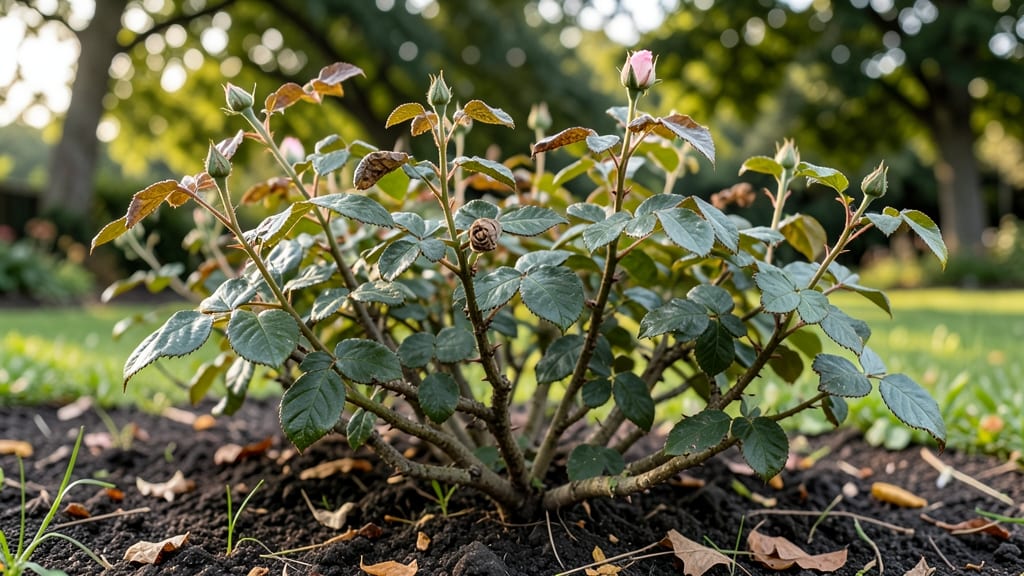
Your rose bush leaf curl turning leaves into tight, distorted shapes isn’t just ugly—it’s a fungal blight calling for action. 🌿 I’ve seen this disease turn beautiful blooms into sad, stunted bushes, but there’s a foolproof organic spray barrier that stops it in its tracks before it spreads.
The key is catching it early and treating it right.
First, confirm it’s fungal leaf curl (not rose rosette virus or spider mites) by checking for yellowing between veins and sticky honeydew on undersides. If it’s fungal, the damage is repairable—unlike viral infections, which require removing the whole plant.
My go-to spray mix of neem oil, baking soda, and a drop of dish soap creates a protective shield that smothers spores without harming bees or beneficial insects.
Within 7-10 days of consistent spraying, new growth emerges straight and healthy, and the plant regains its vigor. The real secret? Preventing recurrence by pruning infected leaves below the curl, sterilizing tools with rubbing alcohol, and spacing bushes for airflow.
This isn’t just a fix—it’s a long-term strategy to keep your roses thriving.
Works for all rose varieties, from hybrid teas to climbers, and even saves struggling bushes that looked hopeless. Let’s get those leaves unfurling again—naturally and effectively.
Root Causes Behind Leaf Distortion
When your rose bush leaves start curling, it’s often a sign of stress—but not always. Understanding the specific triggers behind this issue helps you take targeted action. Below, we break down the most common culprits, from microscopic invaders to environmental missteps, with the science behind each one.
Fungal pathogens like Marssonina rosae (black spot) or Diplocarpon rosae (rose rust) are the top offenders behind leaf curl. These fungi thrive in damp, shaded conditions and release spores that infect leaves through tiny openings called stomata.
- How it works: Once inside, the fungus disrupts cell function, causing leaves to pucker, thicken, and curl as the plant tries to limit damage.
- Key signs:
- Yellow or brown spots on curled leaves
- Black or rust-colored patches (depending on the fungus)
- Premature leaf drop in severe cases
- Why it spreads: Overhead watering, poor air circulation, and humid climates create the perfect breeding ground. Fungal spores can also hitch a ride on tools, wind, or even infected plant debris left in the soil.
💡 Pro Tip: Fungal leaf curl often starts at the edges of leaves before spreading inward. Catch it early by inspecting new growth regularly.
Sap-sucking insects like aphids, spider mites, or rose slugs (sawfly larvae) can trigger leaf curl by injecting toxins or feeding on plant juices, which disrupts normal cell development.
- How it works:
- Aphids excrete honeydew, a sticky residue that attracts sooty mold, further stressing the plant.
- Spider mites pierce cells, causing stippling (tiny white dots) and curling as the leaf wilts in response.
- Rose slugs chew leaf edges, leading to ragged, curled fronds.
- Key signs:
- Visible pests on leaf undersides or stems
- Sticky residue (honeydew) or webbing (mites)
- Curling often paired with stunted growth
- Why it spreads: Dry conditions (especially in mites) or crowded plants encourage outbreaks. Weakened roses—from poor nutrition or disease—are easier targets.
🔥 Quick Fix: Blast pests off with a strong stream of water (early morning) or use neem oil to disrupt their life cycle.
Extreme or sudden changes in temperature, humidity, or sunlight can cause leaves to curl as a defense mechanism. Unlike fungal or pest damage, this type of curl is usually temporary but can weaken the plant if ignored.
| Stressor | How It Causes Curl | Signs to Watch For |
|---|---|---|
| Heat Stress (Above 90°F/32°C) | High temperatures disrupt photosynthesis, causing leaves to curl upward to reduce water loss (a process called transpiration). |
|
| Cold Shock (Below 50°F/10°C) | Cold damages cell membranes, leading to stiff, downward curling as the plant conserves energy. |
|
| Wind or Salt Burn | Strong winds desiccate leaves, while salt (from soil or spray) disrupts nutrient uptake, both triggering curling. |
|
✨ Solution: Adjust watering (deep, infrequent soaks in heat), mulch heavily to protect roots, and shield plants from wind with burlap screens if needed.
Roses are heavy feeders, and when they lack key nutrients, leaves curl as a survival response. The most critical deficiencies linked to curling are:
- Nitrogen (N) Deficiency
- Role: Essential for leaf growth and chlorophyll production.
- Symptoms: Pale green or yellow leaves that curl downward, starting with older foliage.
- Fix: Apply blood meal or a balanced fertilizer (10-10-10).
- Magnesium (Mg) Deficiency
- Role: Helps activate enzymes for photosynthesis.
- Symptoms: Yellow patches between leaf veins (called interveinal chlorosis) with curling.
- Fix: Spray leaves with Epsom salt solution (1 tbsp/gallon) or amend soil with dolomitic lime.
- Potassium (K) Deficiency
- Role: Regulates water balance and disease resistance.
- Symptoms: Curling, cupping, or scorch-like edges on leaves, often paired with weak stems.
- Fix: Use a potassium-rich fertilizer like greensand or wood ash.
🌡️ Test Your Soil: A simple soil test kit ($10
Fixing Wrinkled Rose Leaves Naturally
Revitalizing your rose bushes after leaf curl requires a mix of targeted treatments and preventive care. Below, we break down practical, organic solutions tailored to the root causes—whether fungal, viral, or environmental—so you can bring your roses back to full, healthy bloom.
If your roses are battling Phragmidium or Diplocarpon fungi, act fast with these easy-to-make sprays:
🔥 Step 1: Prune Infected Growth
- 🔪 Remove curled, spotted, or yellowing leaves with clean, sharp pruners (sterilize with rubbing alcohol).
- 🗑️ Dispose of debris in the trash (not compost)—fungi can linger and reinfect.
- ⏰ Best time: Early morning when humidity is low to reduce spore spread.
🍳 Step 2: Apply a Homemade Fungicide Barrier
Mix one of these organic sprays and apply every 7–10 days until new growth appears:
| Recipe | How to Use |
|---|---|
| Baking Soda Spray | 1 tbsp baking soda + 1 tsp dish soap + 1 gallon water. Spray undersides of leaves. |
| Neem Oil Solution | 2 tbsp neem oil + 1 tsp horticultural oil + 1 tsp soap per gallon water. Shake well before use. |
| Copper Fungicide | 1 tbsp copper sulfate (organic) + 1 gallon water. Use at dusk to avoid leaf burn. |
| Garlic-Chili Spray | Blend 2 garlic bulbs + 1 chili pepper + 1 quart water. Strain and spray. |
💡 Pro Tip: Add 1 tsp of hydrogen peroxide (3%) to sprays for extra antifungal power. Test on a small leaf first to check for sensitivity.
🌡️ Step 3: Improve Airflow & Reduce Moisture
Fungi thrive in damp, stagnant conditions. Fix this with:
- 🌿 Thin out crowded canes to allow sunlight and air circulation.
- 💦 Water at the base (avoid overhead sprinkling) and water early in the day so leaves dry quickly.
- 🪴 Mulch with straw or pine needles (keep 2–3 inches away from stems to prevent rot).
If your roses have viral leaf curl (often from aphids or infected cuttings), prevention is key—there’s no cure, but you can limit damage:
👨🍳 Step 1: Remove & Destroy Infected Plants
- 🔪 Dig up and burn severely affected bushes (or bag and trash them).
- 🚫 Avoid composting—viruses can survive in soil.
🐛 Step 2: Control Aphid Vectors
Aphids spread viruses! Combat them with:
- 🌿 Ladybugs or lacewings (release beneficial insects).
- 🧼 Soap spray (1 tbsp castile soap + 1 quart water).
- 🍃 Kaolin clay (spray on leaves to repel pests).
🌱 Step 3: Strengthen Rose Health
Healthy roses resist viral takeovers better. Boost their defenses with:
- 💪 Balanced fertilizer (5-5-5 or organic compost) in early spring.
- 🍎 Fish emulsion or seaweed extract for immune support.
- ☀️ Full sun (6+ hours/day)—weak, shaded roses are more vulnerable.
Once your roses recover, keep them thriving with these long-term strategies:
✨ Seasonal Care Checklist
| Season | Action |
|---|---|
| Spring | Prune dead wood, apply neem oil spray, and mulch. |
| Summer | Monitor daily for new curls; water deeply but infrequently. |
| Fall | Rake up fallen leaves (fungal spores hibernate there!). |
| Winter | Mulch heavily (4–6 inches) to protect roots from temperature swings. |
🎯 Pro Tips for Resilient Roses
- 🌡️ Choose resistant varieties like ‘Knock Out’ or ‘Dr. Huey’ roses, bred to fight disease.
- 🚿 Drip irrigation keeps foliage dry and reduces fungal spores in the air.
- 🔄 Rotate organic sprays (e.g., alternate neem oil and baking soda) to prevent resistance.
💡 Final Reminder: Consistency is key! Check your roses weekly during growing seasons, and act at the first sign of curl. With these organic methods, your roses will bounce back—and stay blight-free for years. 🌹✨
Frequently asked questions
Why do rose leaves curl upward instead of downward?
Upward curling often signals fungal infection (like black spot) or heat stress. Fungi disrupt cell function, making leaves pucker upward to limit damage, while heat causes curling to reduce water loss. Check for yellow spots or sticky residue—if present, it’s likely fungal.
Can I save my rose bush if the leaf curl is viral?
Unfortunately, viral leaf curl (like rose rosette) has no cure. You must remove and destroy infected plants immediately to prevent spread. Healthy roses nearby may survive, but monitor them closely for new symptoms.
How often should I spray neem oil for leaf curl?
Apply neem oil every 7-10 days during active growth (spring-fall) until new leaves emerge straight. Mix 2 tbsp neem oil + 1 tsp soap per gallon of water and spray undersides thoroughly. Stop when temperatures exceed 90°F to avoid leaf burn.
Will pruning help if my rose leaves are already curled?
Yes, but only if you remove entire infected leaves (not just curled parts) and sterilize tools between cuts. Prune in early morning when humidity is low, and dispose of debris in the trash—not compost—to prevent reinfection.
Can I use baking soda spray on roses in full sun?
Yes, but apply it early morning or late afternoon to avoid leaf burn from sun exposure. The baking soda solution (1 tbsp baking soda + 1 tsp soap per gallon) is safe for roses and helps prevent fungal spores from settling. Reapply every 7 days during humid weather.