
Lawn
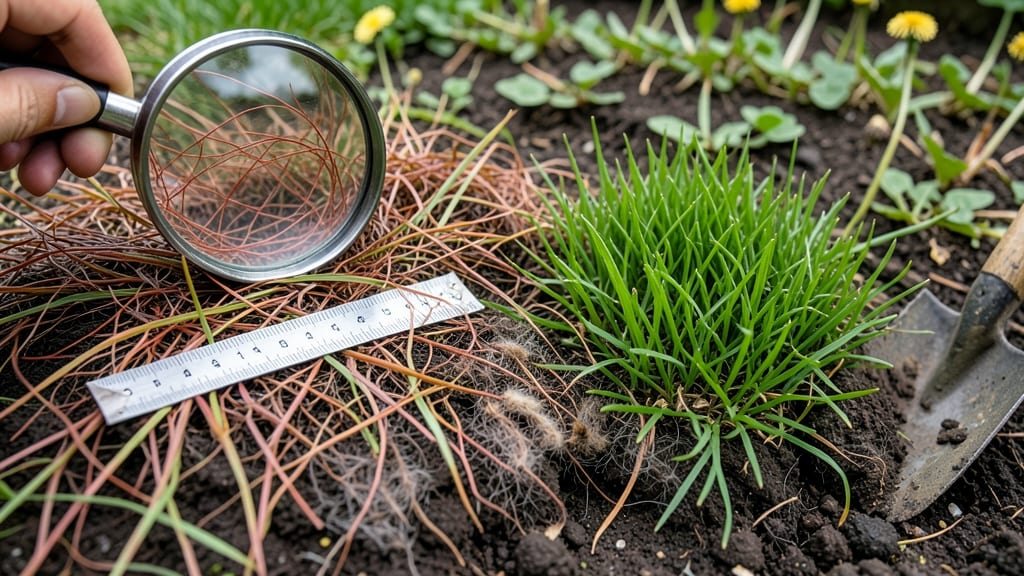
Red leaf weeds creeping into your lawn aren’t just an eyesore—they’re stealing nutrients from your grass. 🌱 I’ve battled clover and chickweed for years, and these three steps finally gave me back a thick, green carpet without harsh chemicals or dead patches.
The first secret? Timing. Pull weeds when the soil is moist but not soggy (early morning works best), and you’ll yank them out by the roots with minimal effort. A weed puller tool makes this easier—no more sore knees from digging in the dirt.
Once removed, fill the gaps with seed and topsoil within 48 hours. The right grass mix for your climate will outcompete weeds naturally, and you’ll see new growth in about 2 weeks if conditions are right.
For stubborn patches, a vinegar-water spray (1 gallon vinegar + 1 tablespoon dish soap) works as a natural herbicide—just spot-treat and water immediately after to protect your lawn.
Underlying Causes Of Red Leaf Weed
When you spot reddish-purple patches creeping into your lawn, it’s often a sign of red leaf weed (technically Trifolium pratense, or red clover). While it may seem like an unsightly nuisance, understanding why it thrives in your grass is the first step to eradicating it for good.
Below, we break down the science-backed reasons behind its persistence—and how they might be linked to your lawn’s health.
Red leaf weed loves nutrient-rich, compacted, or acidic soil—conditions that many lawns unintentionally create. Here’s why:
- High Nitrogen Imbalance:
While nitrogen is essential for grass, too much can weaken turfgrass roots, leaving gaps for weeds like red leaf weed to take hold. Over-fertilizing (especially with fast-release nitrogen) creates a temporary "green boost" for grass but starves it of deeper nutrients, making it vulnerable.
- Compacted Soil:
Foot traffic, heavy machinery, or clay-heavy soil compresses the soil, reducing oxygen and water flow. Red leaf weed’s shallow roots thrive in these conditions because they can outcompete stressed grass for limited resources.
- Acidic pH (Below 6.0):
Most grasses prefer a neutral to slightly alkaline pH (6.0–7.5). If your soil tests acidic, red leaf weed—naturally adapted to lower pH—will dominate. Acidic soil also locks out essential nutrients like phosphorus and potassium, further weakening your lawn.
💡 Pro Tip: Test your soil’s pH and nutrient levels with a DIY kit or lab test. Aim to adjust pH with lime (to raise) or sulfur (to lower) before treating weeds.
Red leaf weed is a pioneer species, meaning it colonizes quickly in disturbed or stressed areas. These conditions often arise from:
- Drought or Overwatering:
Grass needs consistent moisture—too little causes drought stress, while too much (like soggy soil) suffocates roots. Red leaf weed, however, is drought-tolerant and can sprout in both dry patches and overly saturated areas.
- Thin or Patchy Grass:
Bare spots from disease, pests, or poor seeding create open spaces where red leaf weed seeds germinate. Even a 10% bare area can lead to rapid weed spread, as its seeds disperse easily via wind and animals.
- Shade or Sun Exposure Mismatch:
Most lawn grasses need 5–6 hours of direct sunlight. If trees or buildings cast partial shade, grass may thin out, while red leaf weed—shade-tolerant—fills the gaps. Conversely, full sun without proper watering can also stress grass, inviting weeds.
🌡️ Actionable Fix: Mow high (3–4 inches) to shade soil and retain moisture, and water deeply 2–3 times per week (early morning) to encourage deep grass roots.
Even the healthiest lawns can fall victim to red leaf weed if routine care is neglected. Common oversights include:
- Skipping Overseeding:
Grass loses density naturally over time. Without annual overseeding (especially in fall), weak spots appear, and red leaf weed fills them. Cool-season grasses (like fescue) benefit most from this step.
- Improper Mowing Height:
Cutting grass too short (below 2 inches) exposes soil to sunlight, encouraging weed seeds to germinate. Red leaf weed, with its low-growing habit, blends in until it’s too late.
- Ignoring Thatched Buildup:
A thatch layer over ½ inch thick blocks water, air, and nutrients from reaching roots. Red leaf weed’s seeds linger in thatch, waiting for the right moment to sprout when grass is weakened.
- No Pre-Emergent Treatment:
Red leaf weed seeds germinate in spring and fall. Without a pre-emergent herbicide applied in early spring, your lawn gives weeds a 3-month head start.
✨ Expert Hack: Dethatch in early spring if your layer exceeds ½ inch, then aerate to relieve compaction. Follow with overseeding and a pre-emergent to block new weeds.
Addressing these root causes—not just the weeds themselves—will give your grass the competitive edge it needs. Next, we’ll cover targeted removal methods that protect your lawn while eliminating red leaf weed for good.
Quick Fixes for Red Leaf Weed
Now that you know why red leaf weed (or Trifolium pratense) pops up in your grass, let’s tackle it head-on with practical, lawn-friendly solutions. The key is targeting the root cause while keeping your grass healthy and vibrant.
Below, we’ve mapped out cause-specific fixes—plus prevention tips to stop it from coming back.
Best for: Small patches, early-stage infestations, or organic lawn care.
If your lawn is only lightly affected, pulling the weeds by hand is the simplest and most eco-friendly method. Here’s how:
- 🍳 Wait for the Right Time
- Pull weeds after rain or watering—soil will be soft, making roots easier to remove.
- Early morning or late afternoon works best to avoid heat stress on your lawn.
- 👨🍳 Grab the Right Tools
- Use a weed puller (like a dandelion digger) for deep roots.
- For larger areas, a hand weeding fork or gloves will save your hands.
- 🔪 Dig Deep for the Roots
- Grasp the weed at the base (avoid the flower heads—they spread seeds!).
- Twist gently to loosen the root before pulling upward.
- Pro Tip: 💡 Check for secondary roots—some weeds sprout from fragments left behind.
- 🗑️ Dispose Properly
- Bag the weeds (especially if they’re flowering) to prevent reseeding.
- Never compost red clover weeds—they’ll regrow!
✨ Prevention Tip:
- Mow high (3–4 inches) to shade out weeds and strengthen grass competition.
Best for: Preventing regrowth without chemicals.
If you’re avoiding herbicides, starve the weeds by promoting thick, healthy grass. Try these low-effort strategies:
- 💪 Overseed Bare Spots
- Fill thin areas with fast-growing grass seed (like ryegrass or fescue) to block sunlight for weeds.
- Best time: Early fall or spring when soil is moist.
- 🌡️ Adjust Watering Habits
- Water deeply but infrequently (1–1.5 inches per week) to encourage deep grass roots.
- Weeds like red leaf weed thrive in shallow, frequent watering—cut them off at the source!
- 🎯 Add Mulch or Compost
- Spread a thin layer of compost (¼ inch) over the lawn to suppress weeds naturally.
- Avoid thick mulch—it can smother grass too.
🔥 Pro Tip:
- Corn gluten meal (applied in early spring) is a natural pre-emergent that stops weed seeds from sprouting—but won’t kill existing weeds.
Best for: Large infestations or stubborn patches.
If red leaf weed has taken over, selective herbicides can help—but choose wisely to protect your grass.
| Herbicide Type | How It Works | Best For | Safety Notes |
|---|---|---|---|
| Selective 2,4-D | Kills broadleaf weeds (like clover) but spares grass | Established lawns (not new seed) | Apply on calm days, avoid wind drift |
| Iron-Based Herbicides | Organic option—burns weeds on contact | Eco-friendly yards, veggie gardens | Reapply after rain |
| Vinegar + Soap Spray | Natural burn (but kills grass too!) | Sidewalks, driveways, or small spots | Not for lawns—use sparingly |
⚠️ Critical Steps for Chemical Use:
- 📊 Test a small area first to check for grass sensitivity.
- ⏰ Apply in early morning (low wind, no rain forecast).
- 🚫 Avoid mowing for 2–3 days after treatment.
🌱 Post-Treatment Care:
- Reseed treated areas after 2 weeks if grass is damaged.
- Monitor for regrowth—spot-treat any survivors.
The best "removal" is prevention. Once your lawn is weed-free, lock it in with these habits:
- 🌿 Improve Soil Health
- Test soil pH (ideal: 6.0–7.0 for most grasses).
- Add compost or lime if needed to boost grass growth.
- 🌱 Choose the Right Grass
- Clover-resistant grasses like Kentucky bluegrass or perennial ryegrass outcompete weeds.
- Avoid thin grass—it’s an open invitation for red leaf weed!
- 🔄 Regular Maintenance
- Mow weekly (never cut more than ⅓ of the blade).
- Aerate annually to prevent compacted soil where weeds thrive.
💡 Bonus Tip:
- Plant clover intentionally in shady or high-traffic areas—it’s nitrogen-fixing and crowds out weeds naturally!
Final Note: Red leaf weed may be stubborn, but with the right mix of manual removal, natural suppression, and smart lawn care, you can eliminate it without harming your grass.
Start with the method that fits your lawn’s size and your comfort level—then stay consistent for a weed-free future! 🌱💪
Frequently asked questions about red leaf weeds in grass
What exactly is red leaf weed, and how do I know if that's what's in my lawn?
Red leaf weed is commonly red clover (Trifolium pratense) or similar broadleaf weeds with reddish-purple leaves. Look for small, trifoliate leaves (three leaflets per stem) and pinkish-white flower clusters. Unlike grass blades, these weeds grow low to the ground and often appear in patches where grass is thin.
Is red leaf weed harmful to my grass, or is it just unsightly?
While not toxic, red leaf weed competes with grass for water, nutrients, and sunlight. Its deep roots can also make soil more compacted over time. The bigger issue is that it spreads rapidly through seeds, filling bare spots and preventing your lawn from recovering.
Why does vinegar kill weeds but not grass? How strong should my vinegar solution be?
Vinegar's acetic acid burns plant tissue on contact, but grass has thicker cell walls that can tolerate 10-20% vinegar solutions better than weeds. For spot treatment, mix 1 gallon white vinegar + 1 tablespoon dish soap—this breaks surface tension for better absorption. Never use on your lawn (it'll kill grass too) or on windy days.
How often should I check for new red leaf weed growth after treatment?
Check your lawn every 2-3 weeks during growing seasons (spring-fall). New growth appears quickly—especially after rain—which gives weeds a competitive edge. The first sign is usually small red-tinged leaves appearing in thin grass areas.
Can I prevent red leaf weed by just mowing higher? What's the ideal height?
Mowing higher (3-4 inches) does help shade out weeds, but it's not enough alone. The ideal height depends on your grass type—cool-season grasses like fescue should stay at 3-4 inches, while warm-season grasses like Bermuda need 1-2 inches. Combine this with proper watering (deep but infrequent) for best results.