
Shrubs
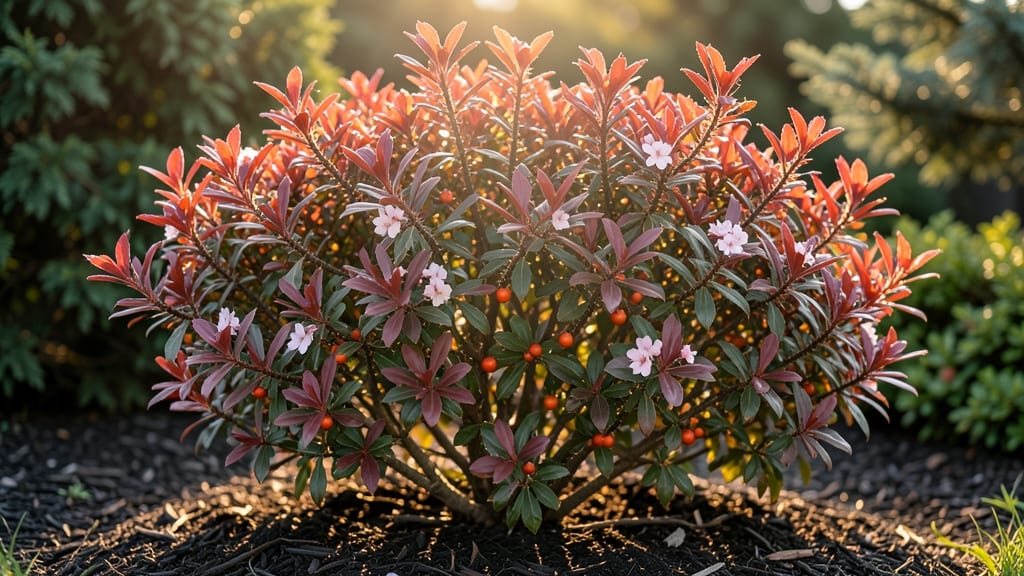
Mastering red leaf bush identification starts with noticing their shockingly vibrant foliage—whether it's deep crimson, fiery orange, or burgundy. 🌿 I've spent years sorting through these shrubs at plant sales, and the key is looking at leaf shape, edges, and how they change with seasons.
A sawtooth edge might mean Berberis, while smooth, oval leaves could point to Euonymus. These shrubs thrive in full sun to partial shade, with most handling poor soil surprisingly well. The hardiest varieties—like Cotoneaster—even survive light frosts, making them perfect for northern gardens.
But watch for leaf scorch if your summer heat tops 90°F without afternoon shade. You’ll recognize mature plants by their year-round color (though some fade in winter) and how they grow—some sprawl, others stay compact. Prune right after flowering to keep them tidy, and mulch to protect roots in winter.
The right one can turn a dull corner into a neighborhood showstopper. For your climate, check if the bush stays evergreen or drops leaves—deciduous types often have brighter fall colors before shedding. Start with these three standouts: Euonymus alatus (wings), Cotoneaster dammeri (low-growing), and Berberis thunbergii (thorny).
📚 In This Guide
- What you need
- Instructions
- Tips and common mistakes
- Wrapping up and next steps
What you need
- ● Hand lens or magnifying glass (3x–10x magnification) – For examining fine details like leaf texture, veins, and tiny hairs.
- ● Notebook or field journal – To jot down observations like leaf color, size, and arrangement.
- ● Pencil or pen – For sketching leaf shapes, flowers, or bark patterns.
- ● Ruler or measuring tape (6–12 inches) – To record leaf length, width, and spacing.
- ● Camera or smartphone – Capture high-resolution photos of leaves, flowers, and bark for later reference.
- ● Pruning shears or small knife – For safely collecting small leaf or stem samples (use sparingly!).
- ○ Gloves (optional but recommended) – Protect your hands from thorns, sap, or rough bark.
- ● Plant identification app (e.g., iNaturalist, PictureThis, or Google Lens) – For instant comparisons with known species.
- ● Field guidebook on local shrubs – A backup when apps aren’t handy.
- ● Small plastic bags – To preserve leaf samples if you plan to compare them later.
- ● Sunlight or grow light – If examining samples indoors for better visibility.
How to identify red leaf bushes using visual clues
Here's how to narrow down your mystery red-leafed shrub using simple visual cues—no botanist degree required.
🌿 Step 1: Examine Leaf Shape and Arrangement
Start by holding a leaf between your fingers and noting its basic outline. Needle-like leaves (less than ¼ inch wide) immediately point to junipers or arborvitae, while broader leaves suggest sumacs or barberries. Look at how leaves attach to the stem—alternating patterns often indicate maples or dogwoods, while opposite pairs suggest boxwoods or viburnums.
Run your thumb along the leaf edge. Serrated (toothed) edges are common in red-twig dogwoods, while smooth edges appear on burning bush varieties. I always check the leaf underside too—hairy or fuzzy surfaces often belong to oaks or hawthorns, while waxy leaves suggest rhododendrons.
☀️ Step 2: Assess Color Patterns and Seasonal Changes
Compare the leaf's color in all light conditions. True red foliage stays vibrant year-round (like firethorn), while other shrubs only develop red hues in fall (like sumac). Hold the leaf up to bright light—some varieties show striking red veins against green (common in Japanese maples), while others have uniform red coloring.
Check for seasonal color shifts. If the leaves turn bright red in fall but green in spring, it's likely a sumac or oak. I've seen many gardeners mistake these for ever-red varieties. Note whether the stems also change color—red twigs in winter are a dead giveaway for dogwoods or winterberry.
🌱 Step 3: Inspect Flower, Fruit, and Stem Characteristics
Look for any remaining flowers or fruit clusters. White flowers in spring suggest serviceberry or crabapple, while red berries point to holly or winterberry. I always check for thorns—barberries have obvious spines, while hawthorns have smaller, sharper ones.
Examine the stems closely. Smooth, gray bark suggests willows, while peeling bark indicates birches. Red stems in winter are classic for dogwoods, while hollow stems appear in elderberries. Run your fingers along the stem—rough textures often belong to oaks, while smooth stems suggest viburnums.
✂️ Step 4: Consider Growth Habit and Location Clues
Observe how the bush grows—does it spread wide (like sumac) or grow upright (like holly)? Measure the spacing between branches. Dense, layered growth suggests boxwoods, while open branching appears in maples. I've found that shrubs growing near water are often willows or elderberries.
Check the surrounding environment. Acidic soil (common in pine forests) favors rhododendrons and azaleas, while alkaline soil supports sumacs. Urban areas often have non-native varieties like burning bush, while native forests typically contain dogwoods or serviceberries.
🔍 Step 5: Cross-Reference with Known Characteristics
Compare your observations against known shrub profiles. Make a quick chart with your findings: leaf shape, color patterns, stem type, and growth habit. I keep a small notebook in my gardening bag for this purpose—it's saved me from countless misidentifications.
Use reliable resources like local plant databases or university extension guides. Include your location in searches—many shrubs have regional variations. If you're still unsure, take clear photos showing all key features and compare them against online galleries.
Tips & tricks for perfect red leaf bush identification
Confession: I've spent years misidentifying red-leafed shrubs until I learned these key tricks—now I can spot them instantly. Here's what nobody tells you about nailing those visual clues.
Leaf Edge Analysis: Pay extra attention to the leaf's edge texture in Step 1. Serrated edges aren't just about dogwoods—they can also indicate hawthorns, which often have smaller, sharper teeth. I've found that holding the leaf up to a bright window and tilting it reveals these details much better than daylight alone. For waxy leaves like rhododendrons, look for a slight sheen that repels water when you lightly mist them with a spray bottle.
Seasonal Color Shifts: The seasonal change check in Step 2 is where most mistakes happen. I learned this the hard way after planting what I thought was a firethorn (ever-red) that turned green in spring. Always check both the leaves AND stems—red twigs in winter are more reliable than leaf color alone. Pro tip: Take notes throughout the year if you're trying to identify a new shrub in your garden.
Thorn Identification: When inspecting flowers and stems in Step 3, don't just look for thorns—feel them. Barberry thorns are straight and sharp like needles, while hawthorn thorns are shorter but thicker with a curved base. I keep a small magnifying glass in my gardening toolkit just for this purpose—it's saved me from pricking my fingers repeatedly while trying to get a good look.
Growth Habit Shortcuts: For Step 4, here's a quick trick: Measure the distance between the lowest leaves and the soil. Shrubs with leaves starting very close to the ground (within 6 inches) are usually sumacs or elderberries. This "ground clearance" measurement has helped me distinguish between similar-looking shrubs more accurately than any other single factor.
Pro Tips for Red Leaf Bush Identification
- Confession: I've spent years misidentifying red-leafed shrubs until I learned these key tricks—now I can spot them in...
- Leaf Edge Analysis: Pay extra attention to the leaf's edge texture in Step 1. Serrated edges aren't just about dogwoo...
- Seasonal Color Shifts: The seasonal change check in Step 2 is where most mistakes happen. I learned this the hard way...
Frequently asked questions
Got questions about identifying that fiery red-leafed shrub in your yard? You’re not alone! Here are some of the most common queries—and answers—to help you nail down the exact plant you’re dealing with.
What are the most common shrubs with red leaves?
Red-leafed shrubs often include Cotoneaster (glossy, oval leaves), Pyracantha (spiny, dark red foliage), and Barberry (arching branches with vibrant red leaves). For a showstopper, Euonymus alatus (winged euonymus) or Skimmia japonica (evergreen with deep red new growth) are top picks.
When do red leaf bushes turn red, and how long does it last?
Timing varies by species! Many, like Cotoneaster, flash red in spring (new growth) or fall (seasonal color shift). Others, such as Pyracantha, hold red hues year-round or deepen in winter. Cold snaps can intensify colors—just don’t expect it to last forever unless it’s an evergreen.
How can I tell if my red leaf bush is healthy or diseased?
Healthy red-leaf shrubs have vibrant, firm leaves without yellowing or browning. Watch for pests like spider mites (tiny webs on undersides) or fungus (black spots or powdery mildew). Overwatering or poor drainage can cause leaf drop—adjust care if you spot wilting or mushy stems.
Are there non-toxic red leaf bushes for pets or kids?
If safety is a priority, opt for Skimmia japonica or Viburnum bodnantense (both non-toxic to pets). Avoid Euonymus alatus (mildly toxic) or Berberis thunbergii (can upset stomachs). Always double-check with your vet or the ASPCA for updates.
What can I plant near a red leaf bush for a striking combo?
Pair red-leaf shrubs with silver foliage (like Artemisia) for contrast or purple blooms (e.g., Heuchera) to pop the color. For height, try Holly or Boxwood—just ensure they share similar sunlight and water needs to avoid competition.
Still stumped? Snap a photo of your shrub (include leaves, stems, and flowers if present) and use apps like PictureThis or PlantNet for instant ID help!
Wrapping up and next steps
Identifying a red leaf bush just got easier! 🌿 Whether you’re admiring its fiery foliage or planning your next landscaping project, recognizing key traits like leaf shape, color intensity, and seasonal changes makes the process simple.
Now that you’ve mastered the visual clues, you’re ready to confidently spot—and even grow—these stunning shrubs.
Ready to take the next step? Visit your local nursery or explore online plant databases to find the perfect red leaf bush for your garden. Happy planting! 🌸