
Plants
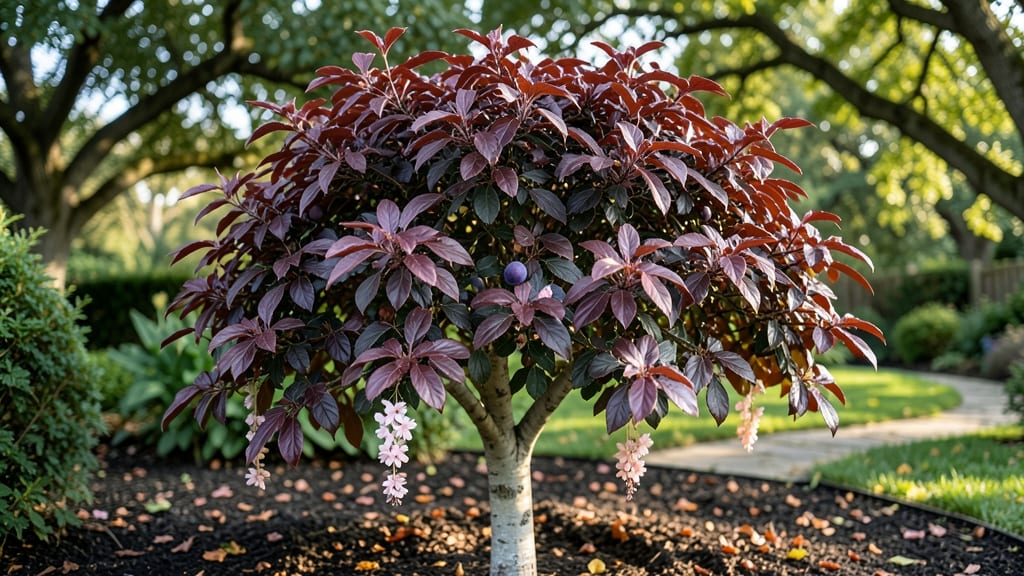
Your garden just got a bold new statement with purple leaf plants. 🌿 These showstoppers—think purple leaf plum, coleus, or smoke bush—bring drama to any space, whether you're framing a border, filling containers, or creating a focal point.
The rich hues shift with sunlight, turning morning shadows to deep magenta and afternoon glows to electric purple.
We've designed gardens where these plants steal the show, especially when paired with silvery foliage like lamb's ear or bright blooms like white hydrangeas. In containers, they add height and texture, while in borders, their year-round color keeps winter gardens from fading into gray.
The secret? Placing them where they get 4-6 hours of sun—just enough to make their leaves pop without scorching.
Imagine your front yard in spring with purple leaf plum's blossoms against its deep foliage, or a summer container bursting with coleus' rainbow shades. These plants thrive in USDA zones 5-9, making them perfect for most gardens.
The best part? They're low-maintenance once established—just prune to shape and watch them work their magic.
For extra drama, try layering heights: pair a 3-foot smoke bush behind a 2-foot coleus in a mixed container. Or use purple leaf plum as a small tree in a lawn island.
The possibilities are endless, and your neighbors will be asking for your design secrets. Ready to transform your space?
📚 In This Guide
- What you need
- Instructions
- Tips and common mistakes
- Wrapping up and next steps
What you need
- ● Purple leaf plant (e.g., Coleus, Purple Smoke Bush, or Purple Leaf Plum Tree) – Choose based on your climate and space (seeds, cuttings, or nursery-grown plants).
- ● Well-draining potting soil or garden soil – Aim for a mix with 50% compost for nutrients (e.g., Miracle-Gro Garden Soil or FoxFarm Ocean Forest).
- ● Containers or garden bed – For potted plants: 12–18" diameter pots with drainage holes (1–2 plants per container).
- ● For garden planting: Full sun to partial shade spot with at least 6 hours of light.
- ● Organic mulch (e.g., wood chips or straw) – 2–3 inches to retain moisture and suppress weeds.
- ○ Fertilizer (optional but recommended) – Balanced 10-10-10 fertilizer for general growth.
- ● Slow-release osmocote granules for long-term feeding.
- ● Garden gloves – Protect your hands from soil and thorns (e.g., Fiskars Leather Work Gloves).
- ● Trowel or hand shovel – For digging and transplanting.
- ● Pruning shears – Sharp, sterilized shears for trimming (e.g., Felco F2).
- ● Watering can or hose with nozzle – Gentle spray for seedlings.
- ● Spray bottle (for seedlings) – Mist lightly to prevent shock.
- ○ Sunlight meter (optional) – To check light conditions if unsure.
- ○ pH testing kit (optional) – Ideal soil pH for most purple leaf plants: 6.0–7.0.
How to grow and maintain stunning purple leaf plants
Purple leaf plants transform any space with their vibrant foliage—here's how to keep them thriving year-round.
🌱 Step 1: Choose the Right Purple Leaf Variety
Purple leaf plants come in many forms, from shrubs like lilacs and smoke trees to perennials like purple beebalm and ornamental grasses. For bold impact, I recommend starting with purple smoke bush (Cotinus) or purple leaf plum (Prunus cerasifera)—both offer dramatic color and adaptability. Check your hardiness zone to match the plant's needs, as some varieties handle cold better than others.
If you're new to purple foliage, begin with purple leaf sandcherry (Prunus x cistena)—it's low-maintenance and thrives in containers or garden beds. Avoid overwatering at this stage; purple leaf plants prefer well-draining soil and can tolerate drought once established. I always test soil drainage by digging a hole, filling it with water, and watching how quickly it drains—if it pools after an hour, amend with sand or gravel.
☀️ Step 2: Plant in Full Sun for Deepest Colors
Purple leaf plants develop their richest hues in full sun (6-8 hours daily), though some varieties tolerate partial shade. For the boldest foliage, plant in a location with morning sun and afternoon shade if you live in a hot climate—this prevents leaf scorch while maintaining color intensity. I dig a hole twice as wide as the root ball but only as deep to avoid burying the plant too far.
Amend the planting hole with compost or aged manure to enrich the soil without overwhelming the plant. Gently loosen the roots if they're circling in the pot, then place the plant so the top of the root ball sits level with the surrounding soil. Backfill with native soil, pressing lightly to remove air pockets. Water deeply right after planting to settle the soil and encourage root spread.
💧 Step 3: Water Deeply but Infrequently
Purple leaf plants are drought-tolerant once established, but young plants need consistent moisture for the first 2-3 months. Water deeply once a week during dry spells, ensuring the soil is moist 6 inches down. To check, stick your finger into the soil—if it feels dry at that depth, it's time to water. Overwatering causes root rot, so always let the top 2 inches of soil dry out between waterings.
Mulch around the base with 2-3 inches of organic mulch (like shredded bark or straw) to retain moisture and regulate soil temperature. Keep mulch 6 inches away from the trunk to prevent rot. I avoid synthetic mulches—they don’t break down and can suffocate roots over time. In containers, water when the top inch of soil feels dry, as potted plants dry out faster than in-ground plants.
✂️ Step 4: Prune for Shape and Health
Prune purple leaf plants in early spring before new growth begins to shape the plant and encourage dense foliage. Use clean, sharp pruners to make cuts at a 45-degree angle just above a bud or branch junction. Remove any dead, diseased, or crossing branches first—this improves airflow and prevents fungal issues. For shrubs, I prune back one-third of the oldest stems to rejuvenate growth and maintain a youthful appearance.
If your plant looks leggy or overgrown, prune in stages over 2-3 years to avoid shocking it. Never prune after mid-summer, as new growth won’t harden off before winter. After pruning, apply a balanced fertilizer (like 10-10-10) to support recovery. Purple leaf plants respond well to light pruning, so don’t be afraid to shape them—just avoid heavy cuts that expose old wood.
🌿 Step 5: Protect and Enjoy Year-Round
Purple leaf plants are generally low-maintenance, but they benefit from winter protection in colder zones. In late fall, apply a 2-3 inch layer of mulch around the base to insulate roots. For container-grown plants, move them to a sheltered location or wrap the pot in burlap to protect against freezing temperatures. Most varieties tolerate down to -15°F, but young plants may need extra care in harsh winters.
Watch for pests like aphids or spider mites, which can dull the foliage. Spray affected areas with neem oil or a soapy water solution for a natural remedy. Purple leaf plants are deer-resistant, so they’re a great choice for wildlife-friendly gardens. With proper care, they’ll reward you with year-round drama—whether it’s the deep purples of spring, the fiery hues of fall, or the silvery-blue tones of winter.
Tips & tricks for perfect purple leaf plant care
Here's what nobody tells you about keeping those vibrant purple hues vibrant all year—these are the little details that make the difference.
Soil Drainage is Non-Negotiable: Before planting, I can't stress enough how critical proper drainage is. Purple leaf plants hate soggy roots, so if your soil drains slower than molasses, amend with coarse sand or gravel. I've seen too many beautiful purple leaf plants turn into sad, yellowing messes because of poor drainage—don't let that be you. For containers, always use pots with drainage holes and a mix that includes perlite or pumice to keep roots happy.
Sunlight Strategy for Maximum Color: While full sun (6-8 hours daily) is ideal for those rich purple tones, I've learned the hard way that afternoon sun in hot climates can scorch delicate leaves. The morning sun and afternoon shade combo mentioned in Step 2 is actually my secret weapon for maintaining that vibrant color without leaf damage. If you notice leaves starting to crisp at the edges, it's time to adjust that shade situation—trust me, your plant will thank you.
Pruning Precision: When pruning in early spring, I focus on three key areas: dead wood, crossing branches, and one-third of the oldest stems. The 45-degree angle cut isn't just for show—it helps water run off properly and prevents disease entry points. For larger shrubs, I make my cuts just above an outward-facing bud to encourage that bushy, full shape we all love. And remember, those old stems you're removing? They're making room for fresh, vibrant new growth that will show off those stunning purple leaves.
Winter Protection That Actually Works: That 2-3 inch layer of mulch around the base in late fall isn't just decoration—it's insulation. I've seen plants survive down to -15°F with proper protection, but the key is timing. Apply that mulch after the ground freezes but before heavy snowfall. For container plants, I double up by moving them to a sheltered spot AND wrapping the pots in burlap. This two-step approach has saved more than a few of my winter-sensitive purple leaf varieties from frost damage.
Pro Tips for Purple Leaf Plant
- Here's what nobody tells you about keeping those vibrant purple hues vibrant all year—these are the little details th...
- Soil Drainage is Non-Negotiable: Before planting, I can't stress enough how critical proper drainage is. Purple leaf ...
- Sunlight Strategy for Maximum Color: While full sun (6-8 hours daily) is ideal for those rich purple tones, I've lear...
Frequently asked questions
Got questions about growing and caring for purple leaf plants? You’re not alone! Here are some of the most common queries—plus expert answers to keep your foliage thriving all year.
What’s the best way to prune purple leaf plants for maximum color?
Prune in late winter or early spring before new growth starts. Trim back about one-third of the plant to encourage bushier, brighter foliage. Avoid heavy pruning in fall—it can stress the plant before winter. Use clean, sharp shears to prevent disease.
Are purple leaf plants cold-hardy? How do I protect them in winter?
Most varieties (like Purple Smoke or Royal Purple bush) tolerate USDA Zones 5-9. In colder climates, mulch the base with 3–4 inches of shredded bark or leaves and wrap young plants in burlap. Avoid pruning late in the season—it reduces winter hardiness.
Why are my purple leaves turning brown or yellow?
Brown edges usually mean underwatering or salt buildup from tap water. Yellowing can signal overwatering or nutrient deficiency. Check soil moisture (top inch should dry between waterings) and flush the soil with rainwater or distilled water every few months to remove salts.
Can I grow purple leaf plants in containers? What’s the best soil mix?
Use a well-draining potting mix blended with perlite or sand (50/50 ratio). Containers need drainage holes—root rot is a common killer. Repot every 2–3 years and fertilize lightly in spring with a balanced 10-10-10 formula.
What are some great purple leaf plant alternatives for different climates?
| Climate | Purple Leaf Alternative | Why It Works |
|---|---|---|
| Hot/Dry (Zones 8–11) | Lantana ‘Miss Huff’ | Drought-tolerant, vibrant purple blooms, and thrives in full sun. |
| Cool/Wet (Zones 3–6) | Weigela ‘Wine & Roses’ | Hardy to -25°F, deep purple foliage, and fragrant flowers. |
| Shady Gardens | Heuchera ‘Palace Purple’ | Lavender-purple leaves that shine in partial shade (great for borders!). |
Wrapping up and next steps
Transforming your garden with purple leaf plants is easier than you think—and the results are stunning! 🌿 Whether you’re drawn to the deep hues of Purple Smoke Bush or the vibrant foliage of Purple Leaf Plum, these plants bring drama, texture, and year-round interest to any outdoor space.
With the right care and placement, you’ll enjoy a breathtaking landscape that turns heads and lifts spirits.
Ready to get started? Pick your favorite purple leaf variety, gather your supplies, and dive into planting—your garden’s bold new chapter awaits! 🌸