
Vegetables
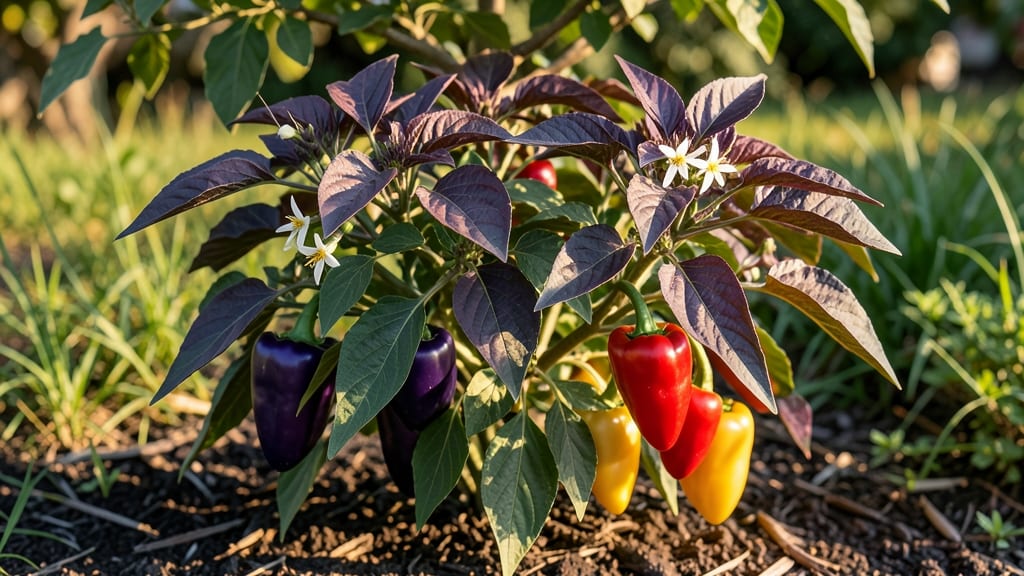
Growing purple leaf pepper plants turns your garden into a vibrant living tapestry that doubles as a spice cabinet. 🌿 The deep purple foliage alone makes it a showstopper, but the bonus is the mild, sweet peppers that keep producing from summer through fall—and sometimes even winter in warm climates.
I’ve grown these for three seasons now, and they’ve never failed to deliver both beauty and flavor.
The secret to that stunning purple color is bright, indirect light—too much direct sun can fade it—but they’re surprisingly low-maintenance once established. You’ll need well-draining soil (a mix of potting soil and perlite works great) and regular watering, though they’re drought-tolerant once rooted.
Fertilize lightly every 4-6 weeks with a balanced organic fertilizer, and watch those leaves stay rich and those peppers roll in.
By midsummer, you’ll be harvesting bright green peppers that turn red when ripe, perfect for stuffing, pickling, or fresh eating. The foliage stays striking even when peppers aren’t producing, making it ideal for containers, raised beds, or as a border plant.
Prune lightly to encourage bushier growth, and you’ll have a plant that’s as productive as it is pretty.
Whether you’re growing for color, harvest, or both, purple leaf peppers are a game-changer for small spaces or sunny patios. They thrive in pots, making them perfect for urban gardeners, and their mild heat means they’re great for beginners. Here’s how to keep yours thriving all season long.
📚 In This Guide
- What you need
- Instructions
- Tips and common mistakes
- Wrapping up and next steps
What you need
- ● Purple Leaf Pepper Seeds or Seedlings: 3–5 seeds (or 1–2 seedlings) for a small harvest or 10+ for a bountiful garden.
- ● Containers or Garden Bed: Containers: 5–10 gallon pots (with drainage holes) per plant, or a raised bed (at least 12" deep).
- ● Garden Bed: Well-draining soil in a sunny spot (6+ hours of sunlight daily).
- ● High-Quality Potting Mix: 1–2 bags of well-draining, organic soil mix (e.g., 60% potting soil + 40% perlite or vermiculite).
- ● Fertilizer: Balanced Fertilizer: 10-10-10 or 5-5-5 NPK ratio (follow package instructions).
- ● Organic Option: Composted manure or worm castings (mix 1 cup per 5 gallons of soil).
- ● Watering Can or Hose: With a gentle spray nozzle to avoid disturbing seedlings.
- ● Pruning Shears: Sharp, clean shears for harvesting and trimming (sterilize with rubbing alcohol).
- ● Trellis or Cage: For vertical growth (especially if growing in containers).
- ● Mulch: Straw or shredded leaves to retain moisture and suppress weeds.
- ● pH Test Kit: To ensure soil pH is between 6.0–7.0 (ideal for peppers).
- ● Grow Lights: If starting indoors or in low-light conditions (LED full-spectrum bulbs).
- ● Pest Control: Neem oil or insecticidal soap (for aphids or spider mites).
- ● Harvest Storage Bags: Breathable mesh bags to keep peppers fresh post-harvest.
Step-by-step guide to growing a thriving purple leaf pepper plant
Here's how I keep these stunning plants producing peppers while showcasing their gorgeous foliage all season long.
🪴 Step 1: Choose the Right Container and Soil Mix
Purple leaf peppers need room to spread, so select a container at least 12 inches wide and deep with drainage holes. I use terracotta pots because they breathe well and help prevent root rot. Fill the bottom third with gravel or perlite for drainage, then add a mix of 60% potting soil, 20% compost, and 20% coarse sand for excellent aeration.
This mix prevents compaction while providing the slightly acidic soil these peppers prefer. Tap the pot gently after filling to settle the soil without compacting it. The ideal soil should crumble easily when squeezed—if it holds together like clay, add more sand or perlite.
☀️ Step 2: Plant and Position for Maximum Light
Dig a hole twice as wide as the pepper plant's root ball but no deeper. Gently remove the plant from its nursery pot and place it in the hole, then fill around the roots with soil, pressing lightly to eliminate air pockets. Water immediately after planting to help settle the soil.
Purple leaf peppers crave full sun (6-8 hours daily), but they'll tolerate 4-6 hours if you rotate the pot every few days. Place them in the sunniest spot you have—south-facing windows or balconies work best. You'll notice the leaves deepen in color when they get enough light, which is your signal they're thriving.
💧 Step 3: Water and Feed for Continuous Production
Water when the top 2 inches of soil feel dry, but never let the soil stay soggy. I use the finger test: stick your index finger into the soil—if it feels dry up to your first knuckle, it's time to water. Use room-temperature water and water at the base to avoid wetting the leaves, which can cause disease.
Feed every 4-6 weeks with a balanced 10-10-10 fertilizer or a tomato/vegetable-specific formula. Purple leaf peppers are heavy producers, so they need consistent nutrients. You'll see new growth and more peppers forming within two weeks of fertilizing—this is your reward for keeping up with feeding.
✂️ Step 4: Prune for Bushier Growth and Better Airflow
Pinch off the first few flower buds when the plant is young to encourage bushier growth. Once established, prune any leggy stems or crowded branches to improve airflow. Use clean, sharp pruners to make cuts just above a leaf node. This prevents disease and helps the plant focus energy on producing more peppers.
Remove any yellow or diseased leaves immediately—they can spread problems to healthy parts of the plant. Pruning also gives you a chance to check for pests like spider mites, which love the undersides of pepper leaves. A quick wipe with a damp cloth can prevent infestations before they start.
⏰ Step 5: Overwinter for Year-Round Productivity
When temperatures drop below 50°F, move your pepper plant indoors near a sunny window or under grow lights. Reduce watering to every 7-10 days since growth slows in cooler conditions. Purple leaf peppers can produce year-round if given proper light and care.
In late winter, trim back any leggy growth and fertilize lightly to encourage new spring growth. You'll see fresh purple leaves emerging within a few weeks—this is your sign that the plant is waking up and ready for another productive season.
Tips & tricks for perfect purple leaf pepper plant care
These practical tips will help you keep your purple leaf peppers thriving with stunning foliage and continuous pepper production.
Container Selection: While terracotta pots are ideal, you can also use fabric grow bags or plastic containers with drainage holes. The key is ensuring the 12-inch depth requirement—shallower pots will restrict root growth and limit pepper production. I've found that containers with built-in saucers help prevent soil spills while maintaining proper drainage.
Light Optimization: For those with limited sunlight, supplement with a grow light for 4-6 hours daily to meet the plant's needs. Place the light 6-12 inches above the plant and adjust as growth occurs. You'll notice the vibrant purple color intensifies with proper light exposure—this is your visual cue that the plant is happy and healthy.
Fertilizer Timing: The 4-6 week feeding schedule works best when you fertilize right after watering. This prevents fertilizer burn while ensuring nutrients reach the roots efficiently. I like to use a water-soluble fertilizer for quick absorption, especially during the active growing season when you'll see new growth within two weeks.
Overwintering Strategy: When moving indoors below 50°F, place your pepper plant under a grow light for 12-14 hours daily to maintain productivity. The reduced 7-10 day watering schedule helps prevent root rot during the plant's dormancy period. You'll be amazed at how fresh purple leaves emerge in late winter when you provide this consistent light source.
Pro Tips for Purple Leaf Pepper Plant
- These practical tips will help you keep your purple leaf peppers thriving with stunning foliage and continuous pepper production.
- Container Selection: While terracotta pots are ideal, you can also use fabric grow bags or plastic containers with drainage holes.
- Light Optimization: For those with limited sunlight, supplement with a grow light for 4-6 hours daily to meet the plant's needs.
Frequently asked questions
Got questions about growing or using your purple leaf pepper plant? You’re not alone!
Here are some of the most common queries—plus quick answers to keep your garden thriving and your peppers productive.
How often should I water my purple leaf pepper plant?
Water your purple leaf pepper plant deeply but infrequently—about 1-1.5 inches per week, adjusting for heat or drought. Overwatering can cause root rot, while underwatering stresses the plant. Morning watering is ideal to reduce fungal risks. Check soil moisture before watering: stick your finger 1-2 inches deep—if it’s dry, it’s time!
When will my purple leaf pepper plant start producing peppers?
Purple leaf pepper plants typically bear fruit 60-90 days after transplanting, depending on variety and growing conditions. Patience is key! Young plants focus on foliage first, but once they’re established (with 5+ true leaves), expect blooms in 4-6 weeks under optimal care. Prune lower leaves to encourage energy toward fruit production.
Can purple leaf pepper plants survive winter outdoors?
Most purple leaf pepper plants are tender perennials and won’t survive freezing temps (<32°F/0°C). In cold climates, overwinter indoors in pots or dig up tubers (if growing from seed) and store in a cool, dark place. Pro tip: Use mulch heavily in mild winters to protect roots, but expect regrowth in spring.
Are purple leaf peppers spicier than regular bell peppers?
Not necessarily! The purple foliage is purely ornamental—it doesn’t affect heat levels. However, some varieties (like ‘Purple Beauty’) produce mildly sweet peppers (similar to bell peppers), while others (like ‘Purple Jalapeño’) pack a spicy kick. Always check seed packets for specific heat ratings!
What pests commonly attack purple leaf pepper plants?
Watch for aphids, spider mites, and hornworms—they love pepper plants too! Preventative care helps:
- Neem oil spray for soft-bodied pests (aphids, mites).
- Handpick hornworms (they’re camouflaged—look for black stripes!).
- Encourage beneficial insects like ladybugs and lacewings.
Wrapping up and next steps
The purple leaf pepper plant is a stunning and rewarding addition to any garden, blending beauty with productivity. With its vibrant foliage and continuous harvests, it’s perfect for both beginners and seasoned gardeners looking to add a pop of color and flavor to their space.
Whether you’re growing it for its striking leaves or its delicious peppers, this plant delivers year-round satisfaction!
Ready to get started? Grab your seeds, pick a sunny spot, and let your purple leaf pepper plant thrive! 🌱✨