
Companion Plants
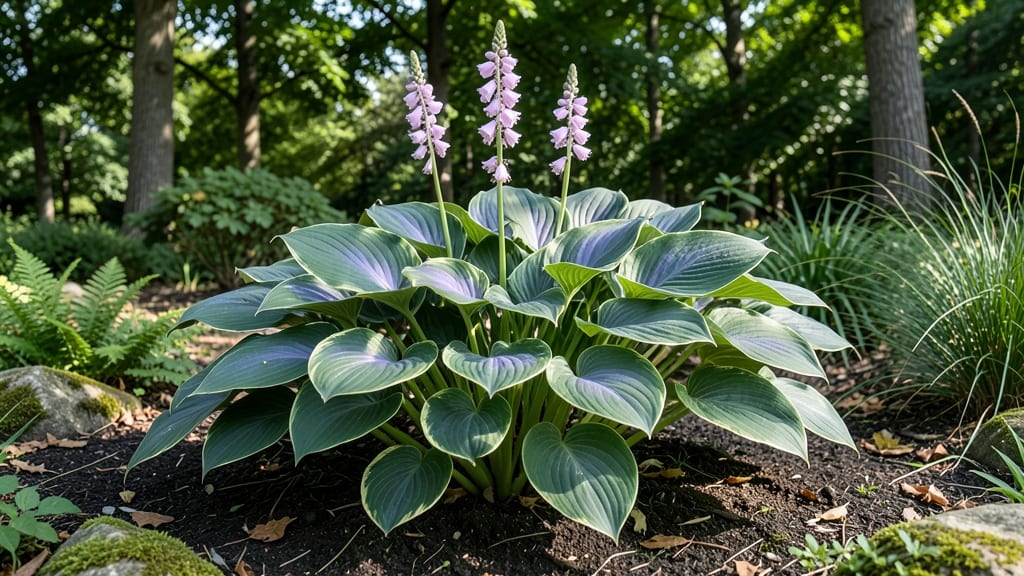
Pointed leaf plants bring architectural drama to any space—whether it’s the sharp spikes of a Haworthia or the feathery fronds of a Matteuccia fern. 🌿 I’ve filled my tiny balcony with these plants, and they thrive where others fail, proving you don’t need a jungle to grow something striking.
The key? Matching their leaf shape to their care needs, from bright light for succulents to humidity for ferns.
Start with the right setup: well-draining soil for succulents, moisture-retentive mix for ferns, and bright, indirect light for most varieties. Pointed leaves like Ixora or Philodendron need slightly more water than their spiky cousins, but all benefit from occasional pruning to keep their shapes sharp.
Propagation is where the magic happens—snip a leaf from an Echeveria, let it callus, and watch roots form in weeks.
By summer, your collection will be bursting with texture, from the waxy tips of Haworthia to the delicate lace of Matteuccia. These plants reward patience: a single Ixora bush can flower for months, while a Philodendron’s pointed leaves frame any corner like a living sculpture.
The best part? They adapt—succulents handle drought, ferns thrive in shade, and tropicals add lush contrast.
For small spaces, height matters: grow Matteuccia in containers to create vertical interest, or let Haworthia spill over shelves. Rotate plants seasonally to balance light exposure, and you’ll have year-round structure that’s as easy to maintain as it is stunning. Let’s get growing!
📚 In This Guide
- What you need
- Instructions
- Tips and common mistakes
- Wrapping up and next steps
What you need
- ● Pointed leaf plants: Choose from Sansevieria (snake plant), Dracaena, Yucca, or Agave (1–3 plants, depending on pot size).
- ● Containers: Pots with drainage holes (6–12 inches wide, 1–2 per plant).
- ● Well-draining soil: Cactus/succulent mix (1–2 bags, ~2–3 cubic feet total).
- ● Gravel or perlite: For soil amendment (1 small bag).
- ● Watering can: With a narrow spout (1).
- ○ Fertilizer (optional but helpful): Balanced liquid fertilizer (e.g., 10-10-10, 1 bottle).
- ● Gloves: Gardening gloves (1 pair, for handling spiky leaves).
- ● Trowel: Small hand trowel (1).
- ○ Spray bottle: For misting (1, optional for humidity-loving varieties).
- ● Bright, indirect light: South/west-facing window or grow lights (if indoors).
- ● Patience: These plants thrive with minimal care—perfect for busy schedules!
Step-by-Step guide to cultivating pointed leaf plants in tight quarters
Here's how to coax lush, architectural foliage into small spaces—no green thumb required.
🌱 Step 1: Select Containers and Soil for Optimal Drainage
Choose 6-8 inch diameter containers with drainage holes—pointed leaf plants like Dracoena marginata and Sansevieria despise soggy roots. I use terra cotta pots because they wick moisture away naturally, preventing root rot. Fill each with well-draining cactus/succulent mix (never garden soil—it compacts and suffocates roots).
Tap the pot gently after filling to settle the mix without compacting it. The goal is loose, aerated soil that mimics their native sandy environments. Pre-moisten the soil with lukewarm water until it feels damp to the touch but not dripping. This ensures roots establish quickly without shock.
☀️ Step 2: Position for Indirect Bright Light
Pointed leaf plants thrive in medium to bright indirect light—think 4-6 feet from a south-facing window. Direct sun scorches their delicate foliage, while dim light causes leaves to stretch and lose their striking patterns. Rotate pots quarter-turn weekly so all sides receive even exposure.
Watch for yellowing leaves—this signals too much sun. If leaves develop brown crispy edges, move the plant back 1-2 feet. In low-light spaces, supplement with a 12-hour LED grow light positioned 12-18 inches above the plants. You'll notice richer coloration within 2-3 weeks of proper lighting.
💧 Step 3: Master the Watering Schedule
Water only when the top 2 inches of soil feel completely dry—these plants store moisture in their leaves, so overwatering is their #1 killer. I use the "finger test" method: stick your index finger into the soil. If it's dry past your first knuckle, it's time to water. Use room-temperature water to avoid shocking the roots.
Water deeply until it drains from the bottom, then empty the saucer immediately. Stagnant water in saucers breeds fungus gnats and rots roots. During winter, reduce watering to every 3-4 weeks—growth slows dramatically in cooler months. You'll know you're nailing it when leaves stay plump and upright with no wilting.
✂️ Step 4: Prune and Propagate for Fullness
Prune only to remove yellowed or damaged leaves—never cut healthy foliage. Use sterilized scissors to snip at the base of the leaf where it meets the stem. For Dracoena marginata, you can propagate from 4-6 inch stem cuttings. Let the cut end callous over for 24 hours, then place it in sphagnum moss (keep it lightly moist).
New growth appears in 4-6 weeks—watch for tiny new shoots emerging from the base of the cutting. Once rooted, transplant into its own pot. This is how I've expanded my collection to 12 plants from just 3 originals. Pruning also encourages denser foliage and prevents leggy growth.
🪴 Step 5: Fertilize Sparingly for Year-Round Health
Feed only during active growth (spring and summer) with a balanced 10-10-10 fertilizer diluted to half-strength. I apply it every 6-8 weeks—never more frequently, as these plants are sensitive to salt buildup. Mix the fertilizer with water and apply it only to damp soil to prevent root burn.
Skip fertilizing in fall and winter—these plants enter a natural dormancy. You'll see shiny new leaves within 3-4 weeks of proper feeding. For organic options, use worm castings mixed into the soil at planting time. The key is less is more—over-fertilizing causes leaf burn and stunted growth.
Tips & tricks for perfect pointed leaf plant care
These simple yet game-changing strategies will help your architectural foliage thrive year-round—even in the tightest spaces.
Container Upgrade: While 6-8 inch pots work, consider using hanging macramé planters for vertical growth. These maximize small-space potential while keeping roots aerated. For Dracoena marginata, choose pots with 3-4 inches of depth to accommodate their longer roots—shallow pots can restrict growth. The terra cotta material is ideal, but if unavailable, use plastic pots with drainage holes and add a layer of pebbles at the bottom for extra drainage.
Light Positioning Hack: In Step 2, when placing your plants 4-6 feet from windows, pay attention to window orientation. East-facing windows provide gentle morning light perfect for Sansevieria, while west-facing windows offer brighter afternoon light better suited for Dracoena marginata. If using LED grow lights, position them 12-18 inches above but angle them slightly to avoid direct light on one side, which can cause uneven growth. You'll notice more vibrant variegation within 2-3 weeks of proper light exposure.
Watering Precision: The finger test in Step 3 is foolproof, but here's the secret: water in the morning so excess moisture evaporates during the day. For Sansevieria, you can stretch watering to every 4-5 weeks during winter dormancy—they're incredibly drought-tolerant. If you notice wrinkled leaves, it's a sign of underwatering, but yellowing leaves mean you're overdoing it. Always use room-temperature water to prevent temperature shock to the roots.
Propagation Pro Tip: When propagating Dracoena marginata cuttings in Step 4, place the moss-filled container in bright, indirect light and maintain 60-70% humidity by covering with a plastic bag (remove after roots form). For faster results, use rooting hormone on the cut end before planting. I've successfully propagated 15 new plants from a single mother plant using this method—just be patient, as new growth takes 4-6 weeks to appear.
Pro Tips for Pointed Leaf Plants
- These simple yet game-changing strategies will help your architectural foliage thrive year-round—even in the tightest spaces.
- Container Upgrade: While 6-8 inch pots work, consider using hanging macramé planters for vertical growth.
- Light Positioning Hack: In Step 2, when placing your plants 4-6 feet from windows, pay attention to window orientation.
Frequently asked questions
Got questions about nurturing pointed leaf plants? You’re not alone! Whether you’re a beginner or a seasoned green thumb, these common concerns can help you grow with confidence.
What are the best pointed leaf plants for small spaces?
Top picks include Sansevieria (snake plant), Dracaena marginata (dragon tree), and Haworthia attenuata (zebra haworthia). These thrive in tight spots, need minimal light, and offer striking foliage. Choose based on your light conditions—some tolerate low light, while others prefer bright, indirect rays.
How often should I water pointed leaf plants?
Watering depends on the plant, but a general rule is every 2–4 weeks for most varieties. Stick your finger 1–2 inches into the soil—if it’s dry, it’s time to water. Overwatering is the #1 killer, so always use pots with drainage holes and well-draining soil.
Why are my pointed leaf plant’s tips turning brown?
Brown tips usually signal underwatering or fluoride/chlorine in tap water. Try these fixes:
- Water only when the soil is fully dry.
- Use filtered, distilled, or rainwater.
- Trim dead tips with clean scissors.
Can I grow pointed leaf plants outdoors year-round?
Most thrive indoors year-round, but hardy types like Dracaena can handle outdoor growing in USDA Zones 10–12. In colder climates, bring them inside before temperatures drop below 50°F (10°C). Protect from harsh winds and direct sun, which can scorch delicate leaves.
What’s a low-maintenance alternative if pointed leaf plants seem tricky?
Try Pothos (Epipremnum aureum) or ZZ plants (Zamioculcas zamiifolia)—both are nearly indestructible! They tolerate neglect, low light, and irregular watering. For a similar aesthetic, Spider plants (Chlorophytum comosum) offer arching leaves with minimal fuss.
Wrapping up and next steps
Pointed leaf plants are a fantastic choice for adding texture, color, and life to your small-space garden—whether indoors or out! 🌿 With the right care, they thrive year-round, offering low-maintenance beauty and even companion benefits.
Whether you’re reviving a struggling plant or starting fresh, these versatile greens are your secret weapon for lush, vibrant spaces.
Ready to take the next step? Start small:
- Pick one pointed leaf plant to experiment with—like Hosta or Heuchera—and observe its needs.
- Expand your collection once you’ve mastered the basics, mixing heights and colors for a stunning display.
- Share your progress with fellow plant lovers—inspiration grows when we connect! 🌱