
Pests and Diseases
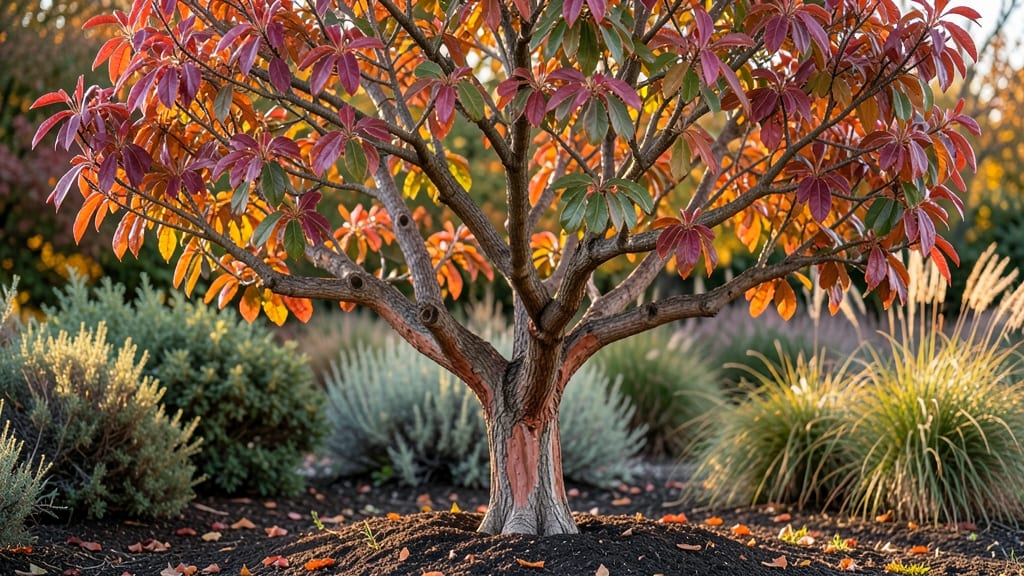
That stunning Persian ironwood leaf—with its velvety texture and fiery fall colors—is the secret weapon of ornamental gardens. 🌿 I’ve grown mine for five years, and its year-round interest (even in winter) makes it worth every bit of care.
The key isn’t just sunlight or water—it’s understanding how its unique foliage responds to seasons and pruning.
This tree thrives in USDA zones 5-8, where it handles both summer heat and winter chill without fuss. Plant it in well-draining soil with partial shade to protect its delicate leaves from harsh afternoon sun.
The real magic happens when you mimic its natural habitat—moist but not soggy soil, and a spot where it gets dappled light. Mulch helps retain moisture, and a light pruning in late winter keeps the shape tidy while encouraging new growth.
What you’ll love most is how the leaves transform: spring’s deep green, summer’s subtle bronze edges, and autumn’s fiery reds. Even in winter, the exfoliating bark adds texture. With the right care, your Persian ironwood will become the standout centerpiece of your garden, drawing compliments from neighbors and pollinators alike.
For best results, avoid heavy pruning—this tree responds better to gentle shaping. If you’re in a hotter zone, provide afternoon shade to prevent leaf scorch. And don’t worry if it takes a year or two to fill out; patience pays off with decades of drama in your landscape.
📚 In This Guide
- What you need
- Instructions
- Tips and common mistakes
- Wrapping up and next steps
What you need
- ● Persian Ironwood Leaf Cuttings or Sapling: Healthy, disease-free cuttings (4-6 inches long) or a 1-3 gallon container sapling from a nursery.
- ● Well-Draining Potting Mix: 50% high-quality potting soil (e.g., Miracle-Gro Potting Mix)
- ● 30% perlite or pumice (for aeration)
- ● 20% compost or worm castings (for nutrients)
- ● Pot or Garden Bed: For containers: 12-15" diameter pot with drainage holes (1 gallon per year of plant age).
- ● For outdoor planting: Full sun to partial shade location with well-draining soil (pH 5.0-6.5).
- ● Pruning Shears: Sharp, sterilized shears (for trimming dead leaves or shaping).
- ● Watering Can or Hose: With a gentle spray nozzle for hydration.
- ● Fertilizer: Balanced, slow-release fertilizer (10-10-10 or fish emulsion) applied spring and fall.
- ● Mulch: Organic mulch (e.g., shredded bark) to retain moisture and regulate soil temp.
- ● Soil moisture meter (to avoid over/under-watering).
- ● Fungicide (e.g., copper fungicide) for preventive care against powdery mildew.
- ● Insecticidal soap (for aphid or spider mite outbreaks).
- ● Garden gloves (to protect hands while handling soil or pruning).
- ● Grow lights (if indoors, to supplement 6+ hours of light/day).
Step-by-Step instructions for growing Persian ironwood leaf
Let’s get your Persian ironwood thriving with these simple, science-backed steps.
🌱 Step 1: Select the Right Planting Location
Persian ironwood (Parrotia persica) loves full sun to partial shade, ideally 6+ hours of direct light daily. I always plant mine where they’ll get morning sun and afternoon shade—this prevents leaf scorch while keeping foliage vibrant. In hotter climates, afternoon shade is a must.
Choose a spot with well-draining soil—this tree hates soggy roots. If your soil is heavy clay, amend it with 2-3 inches of compost mixed into the top 12 inches of soil. The roots will thank you later with fewer struggles.
🪴 Step 2: Plant With Proper Spacing and Depth
Dig a hole twice as wide as the root ball but no deeper—this encourages roots to spread naturally. Place the tree so the top of the root ball sits flush with ground level (never bury the trunk). Persian ironwoods grow 20-30 feet tall, so space them 20 feet apart for mature size.
Backfill with native soil mixed with compost to improve drainage. Water deeply to settle the soil, then add a 2-3 inch layer of mulch (keeping it 6 inches away from the trunk) to retain moisture and suppress weeds. This mulch layer is non-negotiable—it protects roots from temperature swings.
☀️ Step 3: Water Deeply and Establish a Routine
Water deeply once a week for the first year (or more often in extreme heat), ensuring moisture reaches 12 inches down. You’ll know it’s enough when the soil feels damp but not soggy. Overwatering is the fastest way to kill this drought-tolerant tree once established.
After the first year, Persian ironwoods are drought-resistant—reduce watering to every 2-3 weeks unless your area has prolonged dry spells. Check soil moisture by sticking your finger 2 inches deep; if it’s dry, water again.
✂️ Step 4: Prune for Shape and Health
Prune in late winter or early spring before new growth starts. Remove dead, diseased, or crossing branches first—this keeps airflow strong and prevents fungal issues. Persian ironwoods have stunning exfoliating bark, so avoid heavy pruning that disrupts their natural form.
Shape the tree lightly by trimming overgrown branches to maintain your desired height and width. Never cut more than 25% of the foliage in one season—this stress-sensitive tree needs time to recover. A little pruning now means fewer surprises later.
🌿 Step 5: Fertilize Sparingly for Long-Term Health
Persian ironwoods are low-maintenance and rarely need fertilizer. If your soil is poor, apply a balanced, slow-release fertilizer (like 10-10-10) once in early spring—just sprinkle it around the drip line (the edge of the tree’s canopy) and water it in. Over-fertilizing leads to weak growth and attracts pests.
Monitor the leaves for yellowing or excessive new growth—these are signs of too much fertilizer. If you see them, flush the soil with extra water to leach out excess nutrients. A little goes a long way with this hardy tree.
Tips & tricks for perfect Persian ironwood care
These simple but game-changing tips will help your Persian ironwood thrive from day one—no green thumb required.
Soil Preparation Insight: When amending clay soil with compost in Step 1, go beyond the top 12 inches if possible. The roots will spread deeper over time, and breaking up compacted soil at 18-24 inches down gives them room to grow. Think of it like building a foundation—stronger support means less stress later.
Planting Depth Secret: In Step 2, if your root ball has visible roots circling the bottom, gently loosen them before planting. This prevents "girdling" where roots strangle the trunk as they grow. I always do this with container-grown Persian ironwoods—they often develop these tight circles.
Watering Wisdom: The "damp but not soggy" rule in Step 3 is key, but here's how to test it: Press your finger 2 inches deep—if moisture sticks to your finger, you're good. If it feels dry, water again. Overwatering is the silent killer of these drought-tolerant trees, so when in doubt, wait a day before watering.
Pruning Precision: When shaping in Step 4, always cut just above a leaf bud or branch collar (the swollen area where a branch meets the trunk). This ensures faster healing and prevents unsightly stubs. I use clean, sharp pruners and make cuts at a 45-degree angle to let water run off, not pool at the cut.
Pro Tips for Persian Ironwood Leaf
- These simple but game-changing tips will help your Persian ironwood thrive from day one—no green thumb required.
- Soil Preparation Insight: When amending clay soil with compost in Step 1, go beyond the top 12 inches if possible.
- Planting Depth Secret: In Step 2, if your root ball has visible roots circling the bottom, gently loosen them before planting.
Frequently asked questions
Why are my Persian Ironwood leaves turning yellow?
Yellowing leaves (chlorosis) usually signal iron deficiency or overwatering. Check soil pH—this plant prefers 6.0–7.5. If compacted, amend with organic matter (like compost) and ensure well-draining soil. Yellow edges? Underwatering may be the culprit—water deeply but let soil dry slightly between sessions.
Are Persian Ironwood leaves prone to pests?
While resilient, they can attract aphids or scale insects, especially in dry conditions. Prevent pests by misting leaves weekly and using neem oil as a spray. For infestations, wipe leaves with soapy water or introduce ladybugs. Spider mites? Increase humidity (aim for 40–60%) to deter them.
How often should I prune Persian Ironwood for bushier growth?
Prune lightly in spring (after new growth appears) to shape the plant and encourage density. Trim 1/3 of leggy stems just above a leaf node. Avoid heavy pruning—this plant grows slowly! Pro tip: Use sterilized shears to prevent disease, and never prune in winter when the plant is dormant.
Can Persian Ironwood survive indoors year-round?
Yes! Place it near bright, indirect light (e.g., east or north-facing windows). Rotate the pot monthly for even growth. If leaves drop, it’s likely too cold (<50°F) or drafty. Use a grow light in winter if natural light is insufficient. Humidity hack: Group with other plants or use a pebble tray!
What’s a good alternative if Persian Ironwood is hard to find?
Try these low-maintenance, glossy-leaved alternatives:
- Ficus elastica (Rubber Plant) – Thrives in low light, similar care.
- Dracaena marginata (Dragon Tree) – Drought-tolerant and architectural.
- Schefflera arboricola (Umbrella Plant) – Hardy and pet-friendly.
Wrapping up and next steps
Caring for your Persian Ironwood leaf (Parrotia persica) is all about patience and consistency—just like nurturing any prized plant! 🌿 With the right soil, sunlight, and pest prevention, you’ll enjoy its stunning foliage and resilience year-round. Remember, early intervention is key to keeping diseases and pests at bay.
Ready to take the next step? Monitor your tree regularly, adjust care as seasons change, and don’t hesitate to consult local botanists or nurseries for tailored advice. Your lush, healthy Persian Ironwood leaf is just a few steps away!