
Leaf Blower
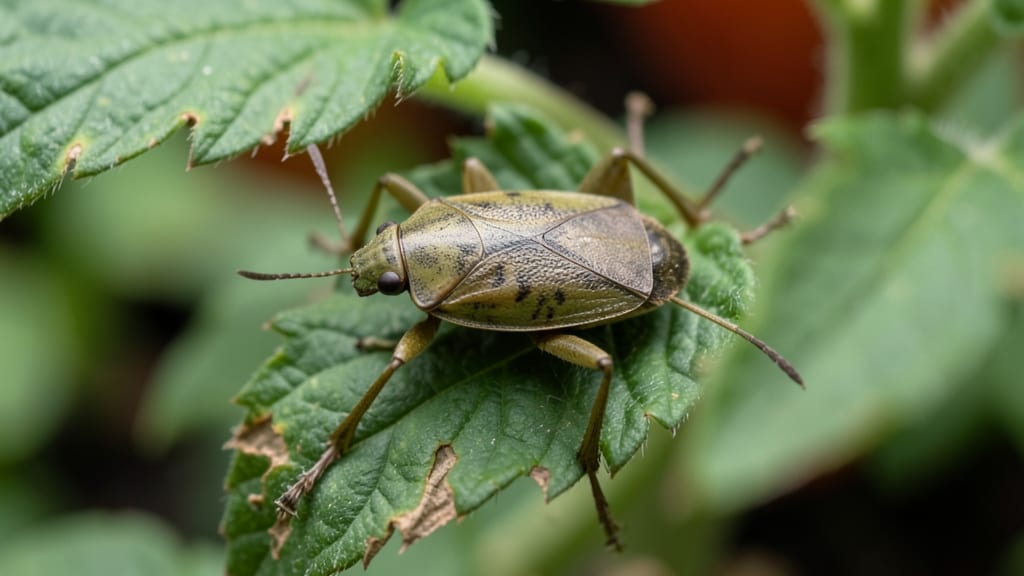
Yes, leaf-footed bugs are harmful to plants as they pierce foliage and stems to feed, causing wilting, yellowing, and stunted growth. Their saliva can also transmit plant diseases, making them a serious garden pest for vegetables, fruits, and ornamental plants.
Leaf-footed bugs cause damage through their feeding habits, where they insert their needle-like mouthparts to suck plant juices. 🌱 This process creates small, irregular holes in leaves and stems, which can lead to brown or blackened spots and weakened plant structures.
Their saliva contains toxins that disrupt plant cell function, often resulting in deformed growth or even plant death over time. Common targets include tomatoes, peppers, citrus trees, and other tender garden plants, making these pests particularly troublesome for home gardeners and farmers alike.
Beyond physical damage, these insects can spread bacterial and fungal diseases through their feeding, further compromising plant health. 🌿 Recognizing their damage early—often as tiny, brownish bugs with distinctive leaf-like expansions on their hind legs—can help gardeners take swift action before infestations spiral out of control.
💡 In This Article
- How Leaf-Footed Bugs Damage Plants and Spread Disease
- Natural and Chemical Control Methods for Leaf-Footed Bugs
How leaf-footed bugs damage plants and spread disease
Leaf-footed bugs use their specialized mouthparts called stylets to pierce plant tissues, creating microscopic wounds that disrupt the plant's vascular system. These insects inject digestive enzymes into the plant cells to liquefy the contents, then suck out the nutrients through their straw-like proboscis.
The process is similar to how aphids feed, but leaf-footed bugs cause more localized damage due to their larger size (1/3 to 1/2 inch) and stronger piercing force.
The real damage comes from their saliva, which contains toxic compounds that trigger necrotic spots—brown, dead patches on leaves—and can disrupt the plant's natural defenses.
For example, on tomato plants, you'll often see small, irregular holes with yellow halos around them, while citrus trees may develop scab-like lesions where the bugs feed. Their feeding also weakens stems, making plants more susceptible to wind damage or disease.
What makes these pests particularly dangerous is their ability to transmit plant pathogens. Studies show leaf-footed bugs can carry Xylella fastidiosa, the bacterium responsible for citrus variegated chlorosis, and other fungal spores.
When they feed on multiple plants, they act like tiny syringes, spreading infections that can devastate entire crops. Tomatoes and peppers are especially vulnerable because their tender leaves provide easy access for the bugs.
You can identify their damage by looking for tiny, blackish fecal spots on leaves and the distinctive leaf-like expansions on their hind legs, which give them their name.
Unlike other sap-sucking insects, leaf-footed bugs often feed on stems and fruit, causing deformities like blossom drop in citrus trees or misshapen tomatoes. The damage typically appears in clusters where the bugs congregate, often during warm, dry weather when they're most active.
For gardeners, the key is early detection—check the undersides of leaves and along stems where these bugs hide. Their feeding patterns leave behind a silvering effect on leaves as the plant's cells collapse, which is a clear sign they've been feeding.
Without intervention, infestations can grow rapidly, especially in greenhouses or protected garden areas where natural predators are limited.
Understanding their feeding habits helps explain why they're such persistent pests. Unlike chewing insects that eat large chunks of leaves, leaf-footed bugs create hundreds of tiny wounds per plant, each one a potential entry point for disease.
This makes their control particularly challenging, as even a few bugs can cause significant damage over time.