
Trees
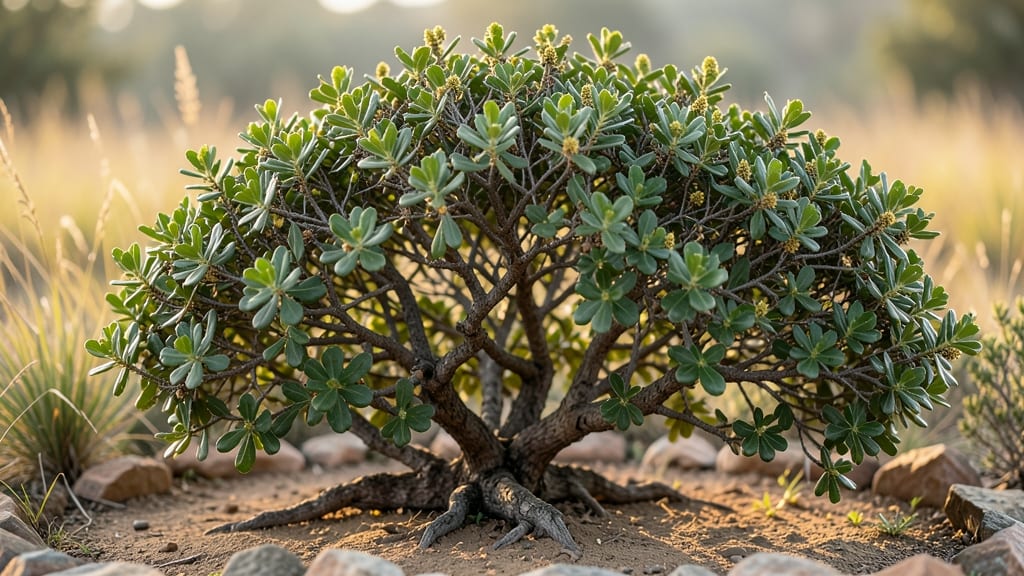
Oak leaf shrubs bring that shockingly lush green all year—no matter how harsh your winters get. 🌿 I planted mine last spring after struggling with seasonal browning in other shrubs, and now it’s the star of my landscape with its leathery, oak-like leaves that refuse to yellow.
You’ll need full sun to partial shade, well-draining soil, and 3-6 feet of space between plants (depending on the variety). Holm oak and pyracantha are the most popular choices—both handle drought once established and thrive in zones 6-9.
The key is planting in early spring or fall when roots can settle before extreme weather. Water deeply once a week for the first month, then taper to every 2-3 weeks once established.
Prune in late winter to shape and remove dead growth, but avoid heavy cuts—these shrubs reward patience with dense, neighborhood-jealousy foliage. A light fertilizer in spring keeps them vibrant without overfeeding.
For pest control, just watch for scale insects (wipe off with soapy water) and spider mites (spray with water). With minimal effort, your oak leaf shrub will outlast any seasonal drama and stay stunningly green from January to December.
📚 In This Guide
- What you need
- Instructions
- Tips and common mistakes
- Wrapping up and next steps
What you need
- ● Oak Leaf Shrub: Choose a Quercus variety like Quercus ilex (Holly Oak) or Quercus virginiana (Southern Live Oak). Buy a 1-3 gallon container for young plants or a 5+ gallon for mature shrubs.
- ● High-Quality Soil: 10-15 bags of well-draining potting mix (e.g., 50% native soil, 30% compost, 20% perlite/sand).
- ○ Optional: 1 bag of oak tree-specific fertilizer (low nitrogen, high phosphorus/potassium).
- ● Mulch: 2-3 cubic yards of organic mulch (pine straw, shredded bark, or wood chips) to retain moisture and suppress weeds.
- ● Basic Gardening Tools: Hand trowel or digging spade (for planting).
- ● Pruning shears (bypass or anvil type, sharp and sterilized).
- ● Garden gloves (heavy-duty for thorny varieties like Holly Oak).
- ● Watering can or hose with adjustable nozzle.
- ○ Optional (but Helpful): Soil pH tester (ideal range: 5.0–7.0 for oaks).
- ● Post-hole digger (if staking young shrubs).
- ● Tree stake (1-2 per plant, 3-4 feet tall).
- ● Drip irrigation kit (for low-maintenance watering).
- ● Location: Full sun to partial shade (minimum 6 hours of sunlight/day). Avoid low-lying areas where water pools.
- ● Climate: Hardy in USDA Zones 5–10. Check your local frost dates for planting timing!
- ● Space: Mature shrubs need 15–25 feet of space (varies by variety).
- ● Time: 1–2 hours for planting, 30–60 minutes/year for pruning.
How to plant and maintain oak leaf shrubs for year-round beauty
Here's my go-to method for growing lush, healthy oak leaf shrubs that stay vibrant through all seasons.
🌱 Step 1: Choose the Perfect Planting Spot
Oak leaf shrubs thrive in full sun to partial shade, ideally with at least 6 hours of direct sunlight daily. I always look for a location with morning sun and afternoon shade—this prevents leaf scorch while keeping the foliage dense. Avoid spots where water pools after rain, as soggy soil will rot the roots.
Test your site by observing how sunlight moves across the area throughout the day. You'll see the brightest, most consistent light in the center of open spaces. If your yard has heavy shade, pick a spot where the shrub will get at least 4 hours of filtered light—just know the leaves may be slightly less vibrant.
🪴 Step 2: Prepare the Soil for Healthy Growth
Oak leaf shrubs love well-draining soil with a slightly acidic to neutral pH. Before planting, loosen the soil to a depth of 12-18 inches with a shovel or garden fork. Amend heavy clay soil with 2-3 inches of compost to improve drainage and fertility. I mix in a handful of organic matter like leaf mold or peat moss if my soil is particularly sandy.
Dig a hole twice as wide as the root ball but only as deep. This encourages roots to spread outward rather than settling too low. Gently remove the shrub from its container and tease the roots if they're circling tightly. Place the plant in the hole so the top of the root ball sits 1 inch above ground level—this prevents water from pooling around the stem.
💧 Step 3: Plant and Water Thoroughly
Backfill the hole with native soil, pressing lightly to remove air pockets. Water deeply right after planting to settle the soil and encourage root contact. You'll know it's enough when water drains freely from the bottom of the hole. Mulch the base with 2-3 inches of organic mulch, keeping it 3 inches away from the stem to prevent rot.
Water every 2-3 days for the first 2 weeks until the soil feels moist 2 inches down. Overwatering now causes more problems than underwatering. After establishment, oak leaf shrubs are quite drought-tolerant once mature, but young plants need consistent moisture to develop strong roots.
☀️ Step 4: Prune for Shape and Health
Prune in late winter or early spring before new growth begins. Remove any dead, damaged, or crossing branches first—these compete for energy and can spread disease. I always start by thinning out the center to improve airflow, then shape the outer edges with clean cuts just above a leaf node.
Never prune more than one-third of the shrub at a time. You'll see fresh, bright green growth within 2-3 weeks if pruning was done correctly. For a more natural look, let some branches grow longer while trimming others to create layers. Avoid heavy pruning in fall, as new growth won't harden off before winter.
✂️ Step 5: Maintain Year-Round Care
Fertilize in early spring with a balanced, slow-release fertilizer (10-10-10 ratio). Spread it evenly over the root zone and water deeply to activate the nutrients. I skip fertilizer in fall and winter—these shrubs store enough energy in their roots to sustain themselves through colder months.
Watch for pests like spider mites or scale insects, which love the dense foliage. Spray with a strong stream of water to dislodge them, or treat with neem oil if infestations persist. In late fall, clean up fallen leaves around the base to reduce disease risk. With proper care, your oak leaf shrub will stay lush and full for years to come.
Tips & tricks for perfect oak leaf shrub care
These simple strategies will help you keep your oak leaf shrubs thriving through every season.
Sunlight Strategy: In Step 1, when choosing your planting spot, remember that oak leaf shrubs need at least 6 hours of sunlight daily for optimal growth. If your yard has afternoon shade, that's perfect—morning sun helps prevent leaf scorch while keeping the foliage dense. I've seen shrubs in full sun develop slightly more vibrant leaves, but they handle partial shade beautifully too, especially in hotter climates.
Soil Prep Secret: For Step 2, don't skip the soil preparation! Loosening the soil to 12-18 inches helps roots establish quickly. I always add 2-3 inches of compost to improve drainage and fertility. If your soil is particularly heavy clay, mixing in leaf mold or peat moss creates tiny air pockets that roots love. This step makes all the difference in preventing waterlogged roots that can lead to rot.
Watering Wisdom: In Step 3, the key is consistency during those first 2 weeks. Water every 2-3 days until the soil feels moist 2 inches down—this encourages strong root development. I've found that using a moisture meter helps avoid overwatering, which is the #1 killer of young shrubs. After establishment, these shrubs become surprisingly drought-tolerant once mature.
Pruning Pro Tip: When pruning in Step 4, always use clean, sharp tools to make precise cuts just above a leaf node. This prevents disease from entering the plant through jagged cuts. I start by thinning out the center first—this improves airflow and reduces pest problems. Remember, never prune more than one-third at a time, and always do it in late winter or early spring before new growth begins.
Pro Tips for Oak Leaf Shrub
- These simple strategies will help you keep your oak leaf shrubs thriving through every season.
- Sunlight Strategy: In Step 1, when choosing your planting spot, remember that oak leaf shrubs need at least 6 hours of sunlight daily for optimal growth.
- Soil Prep Secret: For Step 2, don't skip the soil preparation!
Frequently asked questions
Got questions about keeping your oak leaf shrub thriving? You’re not alone! Here are answers to the most common queries—from planting to pruning and beyond.
When is the best time to plant an oak leaf shrub?
The ideal time to plant an oak leaf shrub is in early spring or fall, when temperatures are mild and the soil is workable. This gives roots time to establish before extreme heat or cold. Avoid planting during summer droughts or freezing winters—root stress can stunt growth. If you must plant in summer, water deeply and mulch to retain moisture.
How often should I water an oak leaf shrub?
Water deeply but infrequently—about 1-2 times per week for the first year, depending on rainfall. Once established (after 1-2 years), they’re drought-tolerant but benefit from 1 inch of water weekly during dry spells. Overwatering is worse than underwatering; let the top 2 inches of soil dry out between waterings.
Can I prune my oak leaf shrub anytime, or is there a best time?
Prune in late winter or early spring (before new growth starts) to shape your shrub and remove dead wood. Avoid heavy pruning in fall—it can stimulate tender growth that won’t survive winter. Light trimming to tidy up can happen anytime, but skip pruning in extreme heat or cold. Always sterilize tools with rubbing alcohol to prevent disease!
What pests or diseases should I watch for in oak leaf shrubs?
Common issues include aphids, spider mites, and scale insects (look for sticky residue or yellowing leaves). Fungal diseases like powdery mildew may appear in humid conditions. Treat pests with neem oil or insecticidal soap, and improve airflow by pruning. For mildew, apply fungicide and avoid overhead watering. Healthy soil and proper spacing prevent most problems!
Are there any low-maintenance alternatives to oak leaf shrubs?
If you want year-round greenery with minimal fuss, consider:
- Boxwood – Dense, evergreen, and drought-tolerant (but prone to boxwood blight).
- Holly – Glossy leaves and berries, but needs acidic soil.
- Abelia – Fast-growing, disease-resistant, and blooms in summer.
- Dwarf Yaupon Holly – Native, low-water, and thrives in heat.
Wrapping up and next steps
Transforming your landscape with an oak leaf shrub is a game-changer—it brings year-round beauty, resilience, and effortless charm to any garden! 🌿 Whether you’re drawn to its glossy leaves, low-maintenance nature, or wildlife-friendly appeal, this shrub is a standout choice for both beginners and green thumbs.
Now that you’re armed with the how-tos, tips, and answers to common questions, it’s time to roll up your sleeves and plant your own.
Start small—pick a sunny spot, grab your tools, and let nature do the rest. Before you know it, your yard will be the envy of the neighborhood! 🌟 Ready to grow? Grab your gloves and get planting!