
Light Requirements
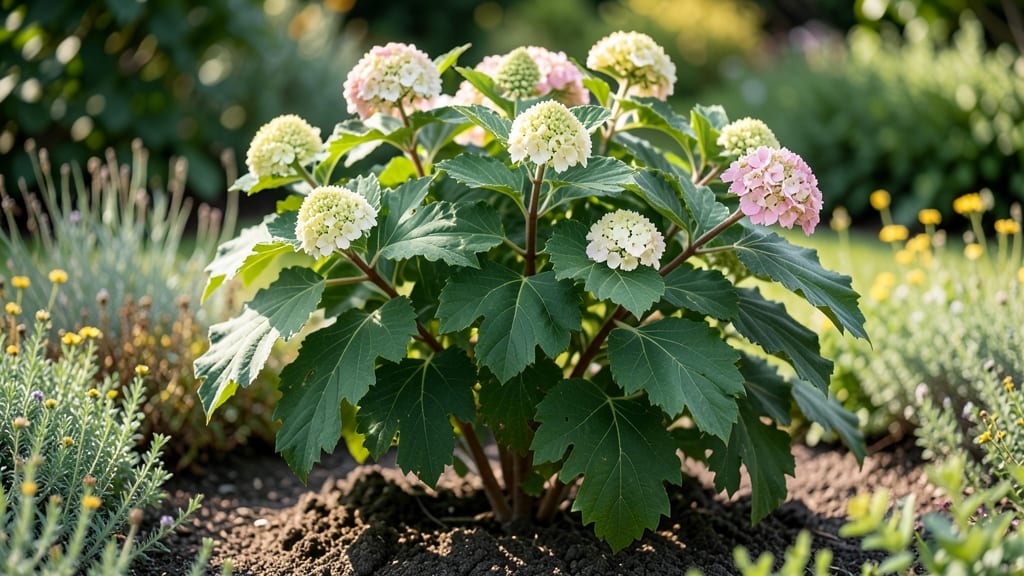
Oak Leaf Hydrangea light requirements are all about balance—4 to 6 hours of sunlight daily keeps those lush leaves and blooms thriving 🌿.
Struggling to keep your Oak Leaf Hydrangea blooming like a pro? The secret lies in mastering its light needs—too much sun scorches leaves, while too little dims those stunning blooms. Here’s your science-backed sunlight guide to transform your hydrangea into a year-round showstopper.
Most gardeners assume "partial shade" means any old spot, but Oak Leaf Hydrangeas crave morning sun paired with afternoon shade. In hot climates, even 3 hours of direct light can stress the plant, while cooler zones may handle up to 6 hours without issues.
Below, I’ll break down how to read your plant’s light signals, adjust for your microclimate, and keep those blooms vibrant—no guesswork required.
 Best Window Placement
Oak leaf hydrangea sunlight needs: the ideal light balance for healthy growth
The oak leaf hydrangea thrives on partial shade, but getting the balance right can make or break those showstopping blooms. Too much direct afternoon sun causes leaf scorch, while too little light weakens stems and reduces flower production.
Understanding seasonal light shifts is key—your plant’s needs change from spring’s gentle rays to summer’s intense heat.
In spring, your hydrangea loves morning sun exposure (4-6 hours) paired with afternoon shade. This gradual light introduction prevents stress while encouraging robust foliage. By summer, afternoon shade becomes critical—think dappled sunlight under trees or a 30% shade cloth to protect delicate leaves from UV damage.
Fall offers a reprieve as sunlight softens, allowing your hydrangea to bask in 3-4 hours of gentle light daily. This prepares it for winter dormancy. Even in winter, a south-facing window or reflective surfaces can provide indirect light, preventing leggy growth when indoor-planted.
| Season | Ideal Sunlight | Key Adjustments | Bloom Impact |
|---|---|---|---|
| Spring | 4-6 hrs (morning sun) | Prune leggy stems; mulch base | Maximizes bud formation |
| Summer | 3-4 hrs (dappled light) | Use shade cloth; water deeply | Prevents leaf scorch |
| Fall | 3-4 hrs (gentle light) | Reduce fertilizer; monitor pests | Enhances foliage color |
| Winter | Indirect light (south window) | Prune dead branches; mulch heavily | Preps for spring blooms |
If your hydrangea shows yellowing leaves in summer, it’s likely getting too much direct afternoon sun. Move it to a spot with filtered light or add a lightweight shade cloth (30-40% blockage).
Conversely, pale green leaves signal insufficient light—try relocating to a sunnier east-facing spot or supplementing with a grow light for container plants.
For container-grown hydrangeas, rotate pots every 2-3 weeks to ensure even light exposure. This prevents lopsided growth and maximizes bloom production. In urban gardens, use reflective surfaces like white walls or mirrors to bounce light onto shaded areas, giving your plant a light boost without direct exposure.
Pro tip: Monitor your hydrangea’s leaf color weekly. Healthy oak leaf hydrangeas have deep green foliage with rich burgundy or lime tones in fall. Any deviation—like bronzing or wilting—is a cry for light adjustment. Act fast, and your plant will reward you with vibrant blooms from spring to frost.
Remember, morning sun is your friend—it’s cooler and less intense than afternoon rays. Pair it with afternoon shade, and you’ll create the perfect light balance for a hydrangea that blooms like a garden superstar year after year.
🌿
How to adjust light conditions for oak leaf hydrangeas in different climates
Oak leaf hydrangeas thrive in partial shade, but their ideal light conditions vary dramatically depending on your climate. In hot climates, intense afternoon sun can scorch leaves, while cool regions may benefit from more morning sunlight to kickstart growth.
Even urban gardens with limited space require smart adjustments to prevent leggy growth or sparse blooms. Let’s break down how to fine-tune light exposure for your specific environment.
Start by assessing your garden’s natural light patterns. Use a light meter app or observe shadows throughout the day—morning sun (6 AM–12 PM) is gentler than afternoon sun (1 PM–6 PM).
Oak leaf hydrangeas tolerate 3–6 hours of morning sun but need afternoon shade, especially in zones 7–10. For containers, rotate pots weekly to ensure even light distribution and prevent one-sided growth.
🌿 Numbered Highlights: Adjusting Light for Oak Leaf Hydrangeas
- 1. Use shade cloth (30–50% coverage) in hot climates to filter harsh afternoon rays while allowing morning light.
- 2. Plant near reflective surfaces (light-colored walls or gravel) in shady urban gardens to bounce indirect light onto leaves.
- 3. Prune nearby trees strategically to create dappled shade—aim for 50% shade coverage by midday.
- 4. Elevate containers on stands or raised beds in cool regions to capture more sunlight without overheating roots.
- 5. Group with taller plants (e.g., evergreens) to naturally filter light in full-sun areas.
For urban gardens, maximize vertical space by training hydrangeas near east- or west-facing walls. Install adjustable trellises or sheer curtains to diffuse light during peak heat. In containers, choose light-colored pots to reflect heat away from roots and avoid black plastic, which absorbs sunlight.
If your hydrangea shows signs of leaf scorch (brown edges), move it to a shadier spot immediately.
Cool climates (zones 3–6) can often handle more sunlight, but avoid full sun exposure—even in cooler areas, direct afternoon sun can stress the plant. Instead, position your hydrangea where it gets morning sun and afternoon dappled shade.
Mulch heavily with organic matter (e.g., wood chips) to regulate soil temperature and retain moisture, which helps mitigate light stress.
Monitor your hydrangea’s response to light adjustments by checking leaf color and bloom production every 2–3 weeks. Healthy leaves should be deep green, while pale or yellowing leaves signal insufficient light.
Conversely, crispy brown edges mean too much sun. Fine-tune placement gradually—small changes (e.g., moving 1–2 feet closer to shade) yield the best results without shocking the plant.
Pro tip: Use reflective mulch (like white gravel) around the base of potted hydrangeas to amplify indirect light in shady spots. This trick works wonders in north-facing gardens or under dense tree canopies.
With these climate-specific tweaks, your oak leaf hydrangea will reward you with lush foliage and abundant blooms year after year.