
Blooming
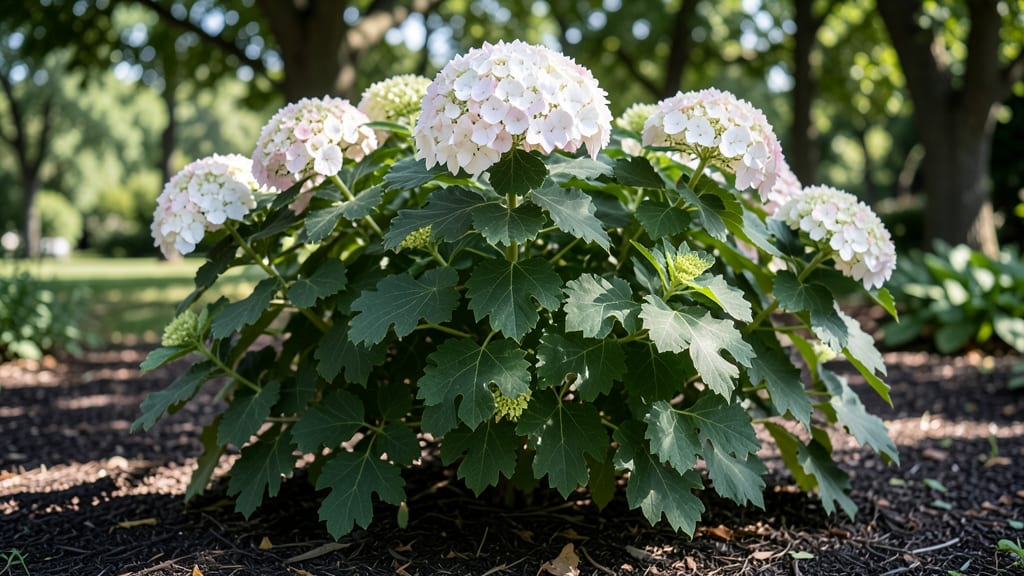
Your Oak Leaf Hydrangea blooms 🌸 depend on one simple but often overlooked secret: pruning at the right time—not just when the flowers fade, but before they even appear.
Picture this: You’ve waited all spring for those stunning white or pinkish blooms, only to watch them dwindle into a sparse show. That’s not just bad luck—it’s usually a pruning mistake.
Oak Leaf Hydrangeas (Hydrangea quercifolia) are different from their showy cousins, blooming on both old and new wood, which means timing matters more than you think.
In this guide, I’ll break down the exact pruning calendar to keep your shrub bursting with color year after year.
From late winter cuts that spark new growth to summer shaping that protects next season’s blooms, you’ll learn how to avoid the most common errors that leave your hydrangea looking half-hearted.
Ready to transform your garden into a nonstop display? Let’s dive into the step-by-step schedule that turns lackluster stems into a showstopper—no guesswork, just results.
Best pruning times for Oak Leaf Hydrangea blooms (seasonal breakdown)
The Oak Leaf Hydrangea (Hydrangea quercifolia) thrives when pruned at the right times—not just once, but throughout the year. Unlike other hydrangeas, it blooms on both old and new wood, making timing critical.
Late winter cuts rejuvenate growth, summer shaping maintains shape, and fall cleanup prevents disease. Let’s break down the month-by-month schedule to maximize those stunning white-to-pink blooms and oak-like foliage.
Your Oak Leaf Hydrangea’s blooms appear in late spring to summer, but the foundation is set during dormancy. Pruning in late winter (February-March) removes dead wood and encourages fresh growth. Summer pruning (June-July) keeps the plant tidy and directs energy to new flowers.
Fall (October-November) is for cleanup, while winter (December-January) is a rest period. Each season plays a role in your plant’s year-round beauty.
| Season | Pruning Goal | Key Actions | Visual Cues |
|---|---|---|---|
| Late Winter (Feb-Mar) | Rejuvenate growth | Remove dead/diseased wood; cut 1/3 of oldest stems to ground | Dormant plant with no leaves; look for brown, brittle branches |
| Spring (Apr-May) | Encourage new blooms | Shape lightly; trim overlapping branches to improve airflow | Fresh green buds forming; new shoots emerging |
| Summer (Jun-Jul) | Maintain shape | Deadhead spent blooms; trim 1/4 of new growth for bushiness | Wilted flowers or leggy growth |
| Fall (Oct-Nov) | Prevent disease | Remove all dead leaves; sterilize tools between cuts | Yellowing leaves; no new growth |
| Winter (Dec-Jan) | Rest period | No pruning; protect from freezing winds | Bare branches with no buds |
Start your Oak Leaf Hydrangea’s year with late winter pruning (February-March), when the plant is fully dormant. This is the time to remove dead, diseased, or crossing branches and cut back 1/3 of the oldest stems to the ground.
Look for branches that are brown, brittle, or hollow—these won’t produce blooms and may harbor pests. Use clean, sharp pruners to make cuts at a 45-degree angle, just above a bud or lateral branch.
As spring arrives (April-May), focus on light shaping rather than heavy pruning. Trim overlapping or rubbing branches to improve airflow and reduce disease risk. Avoid cutting back into old wood—this is where next year’s blooms form.
Instead, shape the plant to maintain its natural oak-like silhouette. This is also the time to fertilize lightly to support new growth.
Summer (June-July) is all about maintenance pruning. Deadhead spent blooms to encourage more flowers and trim 1/4 of the new growth to promote bushiness. Prune just above a set of healthy leaves to stimulate branching.
Avoid heavy pruning in summer, as it can stress the plant and reduce next year’s blooms. Water deeply after pruning to help the plant recover.
Fall (October-November) is for cleanup and disease prevention. Remove all dead leaves and debris from around the base of the plant to reduce overwintering pests. Sterilize your pruners with rubbing alcohol between cuts to prevent the spread of fungal diseases.
Avoid heavy pruning in fall, as the plant needs to harden off for winter. Mulch around the base with 2-3 inches of organic mulch to protect roots from freezing temperatures.
Winter (December-January) is a rest period for your Oak Leaf Hydrangea. No pruning should be done during this time, as the plant is dormant and vulnerable to damage. Focus on protecting the plant from freezing winds and heavy snow.
If you live in a cold climate (Zone 5 or below), consider wrapping the plant in burlap or frost cloth for extra protection.
To maximize blooms, always prune with clean tools and make cuts at the right angle. Use sterilized pruners to avoid spreading disease, and never prune when the plant is stressed by heat or drought.
With the right timing and technique, your Oak Leaf Hydrangea will reward you with vibrant blooms and lush foliage for years to come.
Remember, Oak Leaf Hydrangeas are forgiving plants, but consistency is key. Stick to this seasonal pruning schedule, and you’ll enjoy stunning blooms from spring to fall—plus those beautiful oak-shaped leaves year-round.
How to prune Oak Leaf Hydrangeas for biggest blooms (step-by-step)
Pruning your Oak Leaf Hydrangea (Hydrangea quercifolia) might seem intimidating, but it’s the secret to those show-stopping blooms and lush foliage. Unlike other hydrangeas, this variety blooms on both old and new wood, so timing and technique matter.
I’ll walk you through the exact steps to revive old wood, encourage new growth, and avoid the mistakes that leave your plant bare of flowers.
Start by understanding your plant’s growth cycle. Oak Leaf Hydrangeas produce buds on last year’s wood (old wood) and new flowers on current year’s growth. Pruning too late or too aggressively can sacrifice next year’s blooms.
The key is to prune at the right time and use the right cuts to balance bloom production and plant health.
If you cut back spent blooms too late (after July), you risk removing next year’s old wood buds. Always deadhead only the flowers, leaving the seed heads intact until after they’ve set buds for next season.
For rejuvenation cuts, wait until late winter when the plant is fully dormant.
First, tackle deadheading in early summer. After your Oak Leaf Hydrangea finishes blooming (usually June or July), snip off the spent flower heads just above the first set of healthy leaves.
This encourages the plant to focus energy on new growth rather than seed production. Use clean, sharp pruners to avoid tearing the stems, which can invite disease.
Next, perform a light shaping prune in late summer or early fall. Remove any weak or crossing branches to improve airflow and sunlight penetration. Aim to open up the center of the plant, which reduces humidity and fungal risks.
Avoid heavy cuts—this isn’t the time for drastic pruning. Think of it as a haircut for your hydrangea: tidy, not drastic.
For rejuvenation pruning, the best time is late winter (just before new growth starts). If your Oak Leaf Hydrangea has become overgrown or leggy, cut back up to one-third of the oldest stems to the ground.
This stimulates fresh growth and revitalizes the plant. Pair this with a balanced fertilizer in early spring to give new shoots a nutrient boost for bigger blooms next season.
Finally, avoid these common mistakes: Never prune in fall after buds form, as this removes next year’s flowers. Skip heavy pruning in spring—wait until the plant is dormant. And always sterilize your pruners with rubbing alcohol between cuts to prevent spreading disease.
With these steps, your Oak Leaf Hydrangea will reward you with vibrant blooms and lush foliage for years to come.