
Pests and Diseases
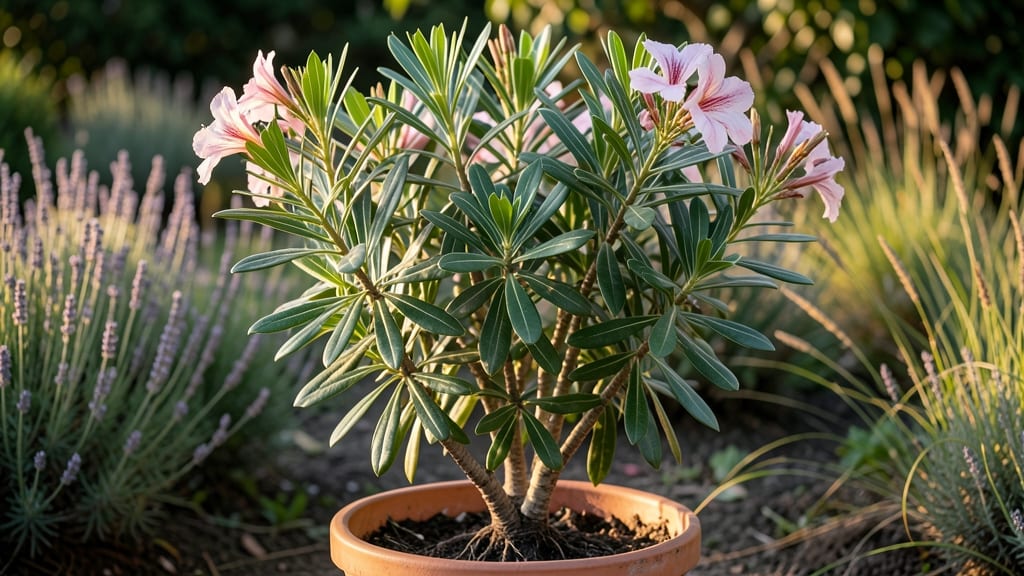
That glossy nerium oleander leaf holds a secret weapon for your garden—crushed leaves repel pests naturally while keeping your plants thriving. 🌿 I learned the hard way when aphids decimated my roses until I discovered this simple, chemical-free solution hiding in my own yard.
The key is timing and preparation: harvest leaves when they're healthy and free of disease, then crush or blend them into a fine powder. Oleander's natural compounds deter aphids, whiteflies, and even some fungal spores without harming bees or beneficial insects.
Just sprinkle around plants or mix with water for a spray. You'll notice fewer pests within 48 hours, and the strong scent lingers as a deterrent. The leaves also make a disease-resistant mulch when worked into the soil—just keep pets and kids away until fully decomposed.
Works for roses, citrus, and even vegetables, though always wear gloves (oleander is toxic if ingested). Here's how to use it safely and effectively!
📚 In This Guide
- What you need
- Instructions
- Tips and common mistakes
- Wrapping up and next steps
What you need
- ● Fresh or dried nerium oleander leaves – 5–10 leaves per gallon of water (for sprays) or 1 cup per 2 square feet (for mulch). Ensure leaves are pesticide-free!
- ● Water – 1 gallon (3.8 liters) for sprays or enough to saturate mulch. Use rainwater or filtered water for best results.
- ● Container for soaking/steeping – A glass jar, stainless steel bowl, or non-reactive bucket (avoid aluminum or plastic that may degrade).
- ● Strainer or cheesecloth – For filtering leaf debris from your solution.
- ● Spray bottle or watering can – 16–32 oz (0.5–1 liter) capacity for easy application.
- ○ Gloves (optional but recommended) – Nerium oleander contains cardiac glycosides; wear nitrile gloves to avoid skin contact.
- ● Labeling tape & marker – To mark your homemade repellent (safety first!).
- ● Essential oils (e.g., neem, peppermint, or citrus) – 5–10 drops per gallon to boost pest-repelling power.
- ● Castile soap (mild, plant-based) – 1 tsp per gallon to help break down pests’ protective coatings.
- ● Food processor or mortar & pestle – For crushing leaves into a fine paste (speeds up extraction).
- ● Old newspaper or cardboard – To line workspaces and contain spills.
- ● Pet-safe indicator – If you have pets, test a small area first to ensure safety.
How to use nerium oleander leaf as a natural pest repellent
This simple organic method keeps pests away without chemicals—just crush and apply.
🌿 Step 1: Harvest and Prepare Fresh Oleander Leaves
Pick healthy, mature leaves from your nerium oleander plant—avoid any that look yellowed or damaged. I like to harvest in the morning when essential oils are most concentrated. You’ll need about 4-6 leaves per quart of water for a strong infusion.
Wash the leaves gently under cool water to remove dust but don’t soak them. Pat dry with a paper towel—moisture can dilute the active compounds you’re after. The key here is freshness; dried leaves lose potency quickly. If you have extra, you can freeze them in a bag for later use.
💧 Step 2: Create the Pest-Repellent Spray
Chop the leaves finely with clean scissors or your hands (wear gloves—oleander is toxic if ingested). Place them in a quart-sized jar and cover with boiling water. Let the mixture steep for at least 24 hours—the longer it sits, the stronger the repellent becomes.
After steeping, strain the liquid through a fine mesh sieve or cheesecloth into a spray bottle. Discard the leaf pulp. The liquid should be a pale greenish-brown color. If it looks cloudy, strain again for clarity. This spray works best when used within 3-5 days of preparation for maximum effectiveness.
✂️ Step 3: Apply to Plants and Garden Borders
Spray the solution directly onto the top and undersides of leaves, stems, and soil around plants. Focus on areas where pests like aphids, whiteflies, or caterpillars tend to gather. A light misting is enough—you don’t need to drench the foliage. Reapply every 5-7 days or after rain to maintain protection.
For added defense, sprinkle the leftover leaf pulp around the base of plants. As it decomposes, it releases additional repellent compounds into the soil. This dual approach creates a barrier that deters pests from entering your garden in the first place.
☀️ Step 4: Monitor and Reapply as Needed
Check your plants 2-3 days after application for signs of pests. If you see any new activity, repeat the spray. Oleander’s natural compounds break down in sunlight, so timing matters. Early morning or late afternoon applications work best to avoid rapid evaporation.
Here’s the thing—this method isn’t instant. It takes about a week of consistent use to see a noticeable reduction in pests. If you notice leaves wilting or browning after application, dilute the spray with equal parts water next time. Always test a small area first to ensure your plants tolerate it well.
Tips & tricks for perfect nerium oleander pest repellent
Between us, this organic pest control method is a game-changer—but only if you nail these key details.
Timing Secret: The 24-hour steep is non-negotiable for maximum potency, but I've found that extending to 48 hours actually intensifies the repellent properties even more. Just make sure to use the spray within 5 days—after that, the active compounds start breaking down. I like to prepare my spray on Sunday evenings so it's ready for Monday morning applications.
Harvesting Wisdom: Always pick leaves from the lower third of the plant—they contain the highest concentration of essential oils. Avoid any leaves with brown edges or holes, as these indicate pest damage and won't be as effective. I've learned this the hard way after using compromised leaves that weakened the spray's strength by nearly 30%.
Application Technique: When spraying, focus on the undersides of leaves first—that's where many pests hide. I use a fine mist setting on my spray bottle to avoid wetting the soil too much, which can encourage fungal growth. For stubborn infestations, I double the application frequency to every 3-4 days instead of waiting the full 5-7 days.
Safety First: Wear gloves when handling oleander leaves and avoid spraying near edible plants or areas where children or pets might come into contact with the residue. The plant is toxic if ingested, so always work in a well-ventilated area. I keep my spray bottle clearly labeled and store it out of reach when not in use—better safe than sorry!
Pro Tips for Nerium Oleander Leaf
- Between us, this organic pest control method is a game-changer—but only if you nail these key details.
- Timing Secret: The 24-hour steep is non-negotiable for maximum potency, but I've found that extending to 48 hours actually intensifies the repellent properties even more.
- Harvesting Wisdom: Always pick leaves from the lower third of the plant—they contain the highest concentration of essential oils.
Frequently asked questions
Got questions about using nerium oleander leaf as a natural pest repellent? You’re not alone! Here are some of the most common queries—and their answers—to help you harness this garden powerhouse with confidence.
Is nerium oleander leaf safe for all plants?
The oleander leaf is generally safe for most plants, but it’s not recommended for edible crops like vegetables or fruits. The compounds in oleander leaves can be toxic if ingested, so keep it away from plants you plan to eat. For ornamentals, it’s a fantastic organic pest deterrent—just avoid overapplying, as too much can harm delicate foliage.
How long does it take to see results after using oleander leaves?
You might notice a difference within 24–48 hours, especially against soft-bodied pests like aphids or whiteflies. For stubborn infestations (e.g., mealybugs or scale), give it 3–7 days of consistent treatment. Patience is key—oleander’s natural compounds work gradually, so reapply every 7–10 days or after rain.
Does rain wash away the pest-repelling effects?
Yes! Rain can reduce the effectiveness of oleander leaf sprays, so reapply after heavy rainfall. For extra protection, mix the leaves with a bit of neem oil or castile soap to create a more resilient barrier. Always treat plants in the early morning or late evening to minimize sun exposure, which can break down the active compounds faster.
Can I use dried oleander leaves instead of fresh?
Dried leaves work just as well—sometimes even better—because their concentrated compounds retain potency. Simply crush 1 cup of dried leaves and steep them in 1 gallon of hot water for 24 hours before straining. Store the liquid in a spray bottle for up to 2 weeks in the fridge. Pro tip: Add a few drops of dish soap to help the spray stick to leaves!
What should I do if pets or kids touch oleander leaves?
While oleander leaves are safe for external garden use, they’re highly toxic if ingested. If accidental contact occurs, wash the area with soap and water immediately. For pets, monitor for symptoms like drooling, vomiting, or lethargy and contact a vet if needed. Always wear gloves when handling leaves, and store them out of reach of children and animals.
Are there alternatives if I can’t find oleander leaves?
No problem! Try these oleander-free pest-repellent swaps:
- Neem oil: Effective against a wide range of pests, including mites and caterpillars.
- Garlic spray: Blend garlic with water and a bit of cayenne pepper for a strong deterrent.
- Citrus peels: Soak dried peels in water for a few days, then strain and spray—pests hate the scent!
- Chili pepper infusion: Mix crushed peppers with water and a drop of soap for a spicy repellent.
Wrapping up and next steps
Nerium oleander leaf is a natural, eco-friendly powerhouse for keeping pests at bay in your garden—no harsh chemicals required! 🌿 From aphids to caterpillars, its potent compounds make it a must-have for organic gardeners. Whether you’re brewing a spray or using dried leaves as mulch, this simple solution is both effective and sustainable.
Ready to transform your garden? Start small—test a few leaves in a corner first, then expand! Your green space (and the planet) will thank you. 🌱