
Diseases
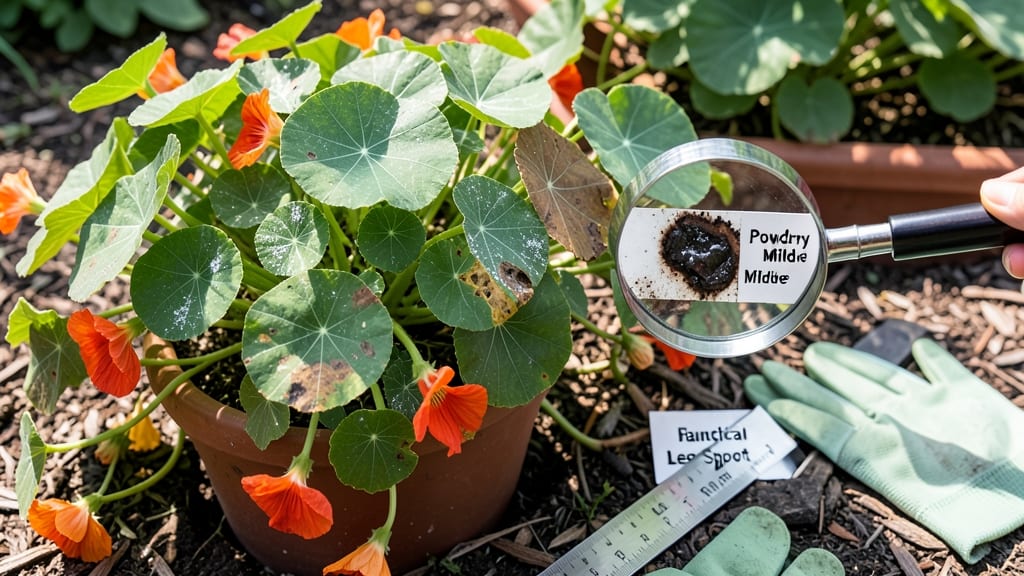
Nasturtium leaf diseases can turn your vibrant garden into a sad, spotted mess—unless you catch them early. 🌿 I’ve seen bacterial blight, downy mildew, and powdery mildew ruin entire patches, but with the right organic fixes, you can save your plants and keep them thriving.
The key? Spotting symptoms fast and acting before the disease spreads.
Yellowing leaves, dark spots, or fuzzy white growth aren’t just cosmetic—they’re warning signs. Bacterial blight shows up as water-soaked patches, while downy mildew leaves a grayish film on undersides. Fungal infections often start with powdery white residue.
The good news? Most nasturtium diseases respond well to organic sprays like neem oil, baking soda mixtures, or copper fungicides—no harsh chemicals needed.
With a little prevention—like proper spacing, good airflow, and regular inspections—your nasturtiums stay healthy all season. I’ve revived plants that looked doomed in just a few days by cutting off infected leaves and treating the roots. The results? Bushy, disease-free plants that keep blooming until frost.
Even experienced gardeners miss early signs, so I’ll walk you through the exact steps to diagnose, treat, and prevent nasturtium diseases—no guesswork. Let’s get your plants back to their best before the problem gets worse.
Why it happens
When your vibrant nasturtium plants start showing signs of distress—spotted leaves, wilting, or strange discoloration—it’s often a cry for help from the plant itself. Understanding why these issues arise is the first step to saving your garden.
Nasturtium leaf diseases rarely appear out of nowhere; they’re usually triggered by a mix of environmental stress, microbial invaders, or poor growing conditions. Let’s break down the most common culprits and the science behind their attacks.
🌡️ Fungal Infections: The Silent Invaders
Fungi thrive in moist, warm, and stagnant conditions, making them the #1 cause of nasturtium leaf diseases. When humidity lingers—especially after rain or overhead watering—fungal spores land on leaves and germinate. Common nasturtium fungal foes include:
- Downy Mildew (Peronospora spp.): This pathogen creates a white, fuzzy mold on the undersides of leaves, blocking sunlight and stunting growth. It spreads via wind and water splashes, especially in cool (60–75°F) but damp conditions.
- Powdery Mildew (Erysiphe spp.): Unlike downy mildew, this fungus coats leaves in a white, powdery layer, thriving in warm (75–85°F) and dry conditions with poor air circulation. It weakens leaves by clogging stomata (pores) and reducing photosynthesis.
- Alternaria Leaf Spot (Alternaria brassicae): Brown, target-like spots with yellow halos appear when spores land on wet leaves. This fungus loves overcrowded plants and nitrogen-rich soil, which makes leaves more susceptible.
Pro Tip: 💡 Fungi can’t survive in dry conditions. Space plants for airflow (12–18 inches apart) and water at the base (not leaves) to prevent fungal feasts.
🦠 Bacterial Blights: The Fast-Spreading Menace
Bacteria move quickly, often hitching rides on tools, insects, or even your hands. Once established, they clog plant vessels, causing wilting, oozing lesions, or yellowing. Nasturtiums commonly fall victim to:
- Bacterial Leaf Spot (Xanthomonas spp.): Tiny, water-soaked spots turn brown and crispy as bacteria multiply. They thrive in wet foliage and spread via splashing water or contaminated pruners.
- Soft Rot (Erwinia spp.): A smelly, mushy decay starts in stems or leaves, especially after physical damage (e.g., hail, pests). Warm, humid nights (77–86°F) accelerate bacterial growth.
Warning: ⚠️ Bacteria can’t be cured—only contained. Remove infected leaves immediately and sterilize tools with 70% isopropyl alcohol to stop the spread.
🌱 Environmental Stress: When Conditions Go Wrong
Diseases often piggyback on weakened plants. Nasturtiums stressed by poor growing conditions become easy targets. Key triggers include:
| Stressor | How It Weakens Leaves | Disease Risk |
|---|---|---|
| Overwatering | Leads to root rot, starving leaves of nutrients and oxygen. | Fungal infections (e.g., Phytophthora root rot). |
| Poor Drainage | Waterlogged soil suffocates roots, causing yellowing and wilting. | Bacterial soft rot, downy mildew. |
| Nutrient Imbalance | Too much nitrogen = soft, sappy growth (fungi love this!). Too little = weakened defenses. | Powdery mildew, leaf spots. |
| Pest Damage | Aphids or flea beetles chew leaves, creating entry points for bacteria. | Bacterial blights, secondary fungal infections. |
Fix It: 🌱 Amend soil with compost for drainage, use mulch to retain moisture without soggy roots, and rotate crops to break disease cycles.
🐛 Pests as Disease Carriers
Some pests don’t just damage leaves—they spread pathogens. For example:
- Aphids excrete honeydew, a sticky sugar that attracts sooty mold fungi.
- Flea beetles create tiny holes in leaves, giving bacteria a foothold.
- Slugs/snails leave slime trails that harbor fungal spores.
Action Step: 🔥 Knock pests off with a blast of water or introduce beneficial insects (ladybugs, lacewings) to keep populations in check.
Fix Nasturtium Leaf Issues Organically
Now that you’ve identified the culprit behind your nasturtium’s leaf troubles, it’s time to take action! Whether it’s fungal infections, bacterial blights, or pest-related damage, these practical, organic solutions will help your plants bounce back—without harsh chemicals.
Below, we’ve mapped out cause-specific fixes, along with prevention tips to keep future problems at bay.
Fungal diseases like downy mildew, powdery mildew, or leaf spot thrive in damp, warm conditions. Here’s how to tackle them:
🔥 Remove Infected Leaves Immediately
- Why? Fungi spread through spores, and leaving infected foliage can reinfect healthy plants.
- How? Snip off yellowed, spotted, or moldy leaves with sterilized scissors (wipe with rubbing alcohol between cuts).
- Pro Tip: 💡 Don’t compost infected leaves—toss them in the trash to prevent reinfection.
🍳 Homemade Fungicide Spray (Safe & Effective)
Mix 1 quart of water + 1 tbsp baking soda + 1 tbsp vegetable oil + a drop of dish soap in a spray bottle.
Shake well and apply to both sides of leaves in the early morning. Reapply every 5–7 days until symptoms fade.
🌡️ Improve Airflow & Reduce Moisture
- Space plants at least 12–18 inches apart to allow airflow.
- Water at the base (not overhead) to keep leaves dry.
- Avoid late watering—wet foliage overnight invites fungi.
🎯 Preventative Soil Boost
- Add compost or worm castings to strengthen plant immunity.
- Sprinkle cinnamon or copper fungicide around the base (follow label instructions).
Bacterial infections (like bacterial leaf spot) cause dark, water-soaked patches. Since bacteria spread via water and tools, sanitation is key:
👨🍳 Prune & Sterilize Tools
- Cut out all infected leaves and sterilize pruners with 70% isopropyl alcohol between cuts.
- Avoid working on plants when they’re wet—bacteria spread faster in moisture.
🥘 Hydrogen Peroxide Spray (Natural Disinfectant)
Mix 1 tbsp 3% hydrogen peroxide + 1 quart water in a spray bottle. Apply to leaves every 3–4 days until symptoms disappear. (Test on a small area first!)
🔪 Remove & Destroy Severely Infected Plants
If a plant is more than 50% diseased, pull it up and dispose of it (don’t compost). Bacterial infections can persist in soil.
⏰ Rotate Crops & Solarize Soil (For Stubborn Cases)
- Don’t replant nasturtiums in the same spot for at least 2 years.
- Solarize the soil (cover with clear plastic for 4–6 weeks in hot sun) to kill bacteria.
Pests like aphids, spider mites, or flea beetles weaken leaves, making plants vulnerable to disease. Here’s how to evict them:
🔥 Blast Off Pests with Water
- Spider mites & aphids hate water! Use a strong hose spray to knock them off leaves.
- Repeat every 2–3 days until pests vanish.
🍳 Neem Oil Spray (Multi-Purpose Pest Killer)
Mix 1 tbsp neem oil + 1 tsp mild soap + 1 quart water. Spray evenly on all leaf surfaces, focusing on undersides where pests hide. Reapply every 5–7 days.
🌡️ Introduce Beneficial Insects
- Ladybugs devour aphids.
- Lacewings eat spider mites.
- Purchase or attract these predators for long-term control.
🎯 Physical Barriers for Flea Beetles
- Fleece row covers (lightweight fabric) prevent beetles from reaching leaves.
- Sticky traps (yellow cards coated in petroleum jelly) catch adult beetles.
The best cure? A strong, disease-resistant plant! Follow these habits to minimize future issues:
- 💡 Choose disease-resistant varieties (e.g., ‘Alaska’ or ‘Jewel Mix’ nasturtiums). - 🌱 Plant in full sun (6+ hours daily) to reduce humidity around leaves. - 🥗 Feed with compost tea or fish emulsion every 4–6 weeks for robust growth. - 🔄 Practice crop rotation—don’t grow nasturtiums (or other brassicas) in the same spot yearly. - 🌡️ Monitor soil pH (aim for 6.0–7.0—test with a kit).
Adjust with lime (to raise pH) or sulfur (to lower it).
Remember: Consistency is key! Check plants weekly for early signs of trouble, and act fast—most nasturtium leaf issues are 100% reversible with organic care. 🌿✨
Frequently asked questions
What are the first signs of nasturtium leaf diseases?
Watch for yellowing leaves, dark spots, or white fuzzy patches on undersides. Bacterial blight shows as water-soaked spots that turn brown, while fungal infections like powdery mildew create a chalky white coating. Downy mildew appears as grayish mold in humid conditions. Check leaves weekly to catch issues early.
Can I use store-bought fungicides on nasturtiums?
Yes, but opt for organic options like copper fungicide or neem oil to avoid chemical buildup. Avoid synthetic fungicides if you plan to eat the leaves—some can leave residues. Always follow label instructions and reapply after rain. For severe cases, a baking soda spray (1 tbsp baking soda + 1 quart water) works well too.
Why do my nasturtiums get diseases even with good care?
Diseases often spread through contaminated tools, windborne spores, or pests like aphids. Even healthy plants can get infected if nearby plants are sick. Improve airflow by spacing plants 12–18 inches apart and avoid overhead watering. Sterilize pruners with rubbing alcohol between cuts to prevent cross-contamination.
How do I know if my nasturtium has a fungal or bacterial infection?
Fungal infections (like powdery mildew) create white or gray coatings on leaves, while bacterial spots are dark, watery, and crispy. Fungi thrive in damp conditions, while bacteria spread faster in warm, wet weather. Check leaf undersides—fungi often appear there first. If unsure, snap a photo and compare with online plant disease databases.
Can I save a nasturtium plant that’s already heavily diseased?
For fungal issues, prune off all infected leaves and treat with neem oil or copper fungicide. If bacteria are the culprit, remove more than 50% diseased plants immediately to prevent spread. For stubborn cases, solarize the soil (cover with plastic for 4–6 weeks) to kill pathogens before replanting.