
Pests and Diseases
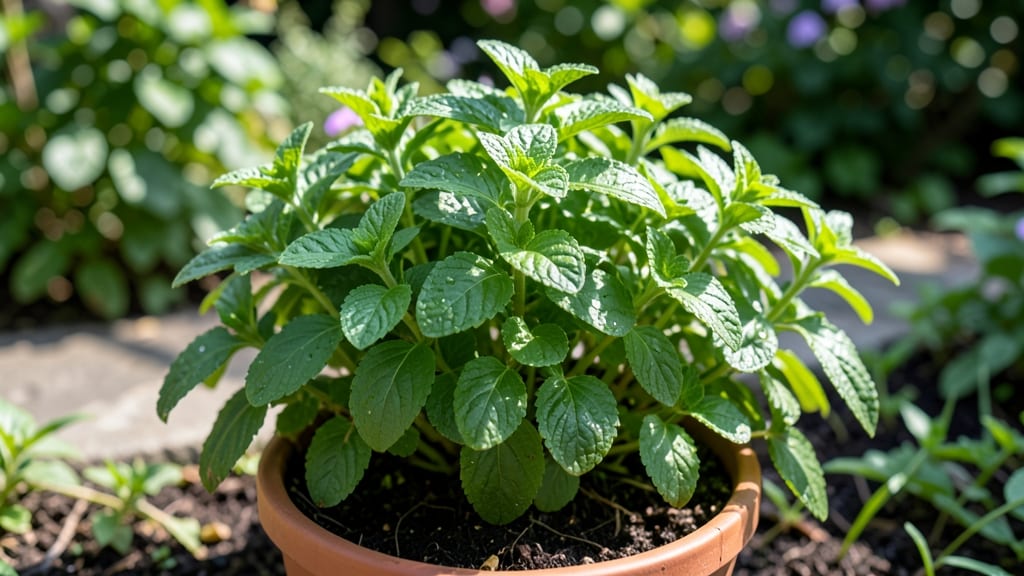
Mint leaf and scent leaf plants differ significantly: mint leaves deliver that classic sharp, peppery aroma we all know, while scent leaves (such as lemon balm or basil) offer bright citrus or floral notes. Though they both thrive in moist, well-drained soil with partial shade, their distinct chemical profiles affect everything from pest resistance to culinary pairings.
These differences go beyond just smell—they impact how you grow and maintain them. 🌿 Mint's aggressive spreaders require containment or you'll have a garden takeover, while many scent leaves grow more compactly.
The key is understanding their natural tendencies: mint's volatile oils repel some pests but attract others (like aphids), while basil's strong aroma deters flies and mosquitoes naturally.
For pest control, I always rotate my planting strategy based on which plants I'm growing—mint needs more vigilance against invasive spread, while basil often handles itself with minimal intervention.
Another critical factor is their culinary versatility. Mint's bold flavor works best in drinks, desserts, and as a finishing herb, while basil shines in Italian sauces or Thai curries. The wrong pairing can ruin a dish, so knowing which leaf you're working with makes all the difference.
For example, substituting basil for mint in mojitos? Disaster. But using both together in a pesto? Pure magic.
💡 In This Article
- Botanical and Sensory Differences Between Mint and Scent Leaves
- Growing and Managing Mint vs Scent Leaf Plants in Gardens
Botanical and sensory differences between mint and scent leaves
The core difference between mint leaves and scent leaves lies in their chemical composition, particularly the volatile oils that create their signature aromas. Mint contains high levels of menthol (up to 40% in peppermint varieties) and menthone, which give it that sharp, cooling peppery scent.
These compounds aren't just about smell—they also make mint leaves feel cool and slightly numbing when crushed, thanks to their ability to stimulate cold receptors in your skin. 🌿 In contrast, scent leaves like basil produce eugenol (responsible for its spicy-clove note) and linalool (which gives it floral undertones), creating a completely different sensory experience.
Visually, these differences extend to plant structure. Mint grows aggressively through underground runners, creating dense mats that can spread 3-5 feet per year if unchecked. This horizontal growth pattern contrasts sharply with basil's upright, bushy habit that typically reaches 12-24 inches tall with minimal spreading.
The leaf shapes also differ: mint leaves are serrated with pointed tips, while basil leaves are broader with smooth edges. These structural differences directly impact how you'd manage them in your garden—mint needs containment barriers while basil thrives with regular pruning to encourage branching.
The chemical profiles explain why these plants interact differently with pests. Mint's volatile oils repel some insects (like cabbage moths) but attract others (like aphids that love the sweet sap). Basil's strong aroma, however, acts as a natural deterrent for flies and mosquitoes, making it an excellent companion plant.
The key insight here is that these aromatic compounds aren't just for human enjoyment—they're the plants' built-in defense systems. 🔥 Understanding these mechanisms helps you strategize pest control: mint might need neem oil sprays, while basil often handles pests through its natural chemistry alone.
Culinary applications reveal another layer of difference. Mint's high menthol content makes it ideal for refreshing beverages (think mojitos) or as a palate cleanser in savory dishes. Its flavor holds up well to freezing, maintaining potency for months.
Scent leaves like basil, however, lose their delicate aromas when frozen—they're best used fresh in dishes where their complex notes can shine, like pesto or caprese salads.
This difference affects how you store and prepare them: mint can be prepped in bulk, while basil should be used within days of harvest for peak flavor.
Medicinally, these chemical distinctions matter too. Mint's menthol has been shown to relieve digestive issues and headaches, while basil's eugenol has antimicrobial properties. The concentration of these compounds varies significantly—peppermint contains about 4-10% menthol, while sweet basil might have only 0.1-0.2% eugenol.
This means you'd need far more basil to achieve similar medicinal effects as mint, illustrating why proper identification matters when using these plants for health purposes.
One fascinating aspect is how these plants respond to environmental stress. Mint's volatile oils actually increase when the plant is damaged (like when you crush leaves), creating that instant aromatic burst. Basil, however, produces more eugenol when exposed to heat—this is why sun-dried basil has such an intense flavor.
These stress responses explain why timing matters when harvesting: mint is best picked in the morning for maximum oil concentration, while basil often tastes better after a hot afternoon. 💫