
Trees
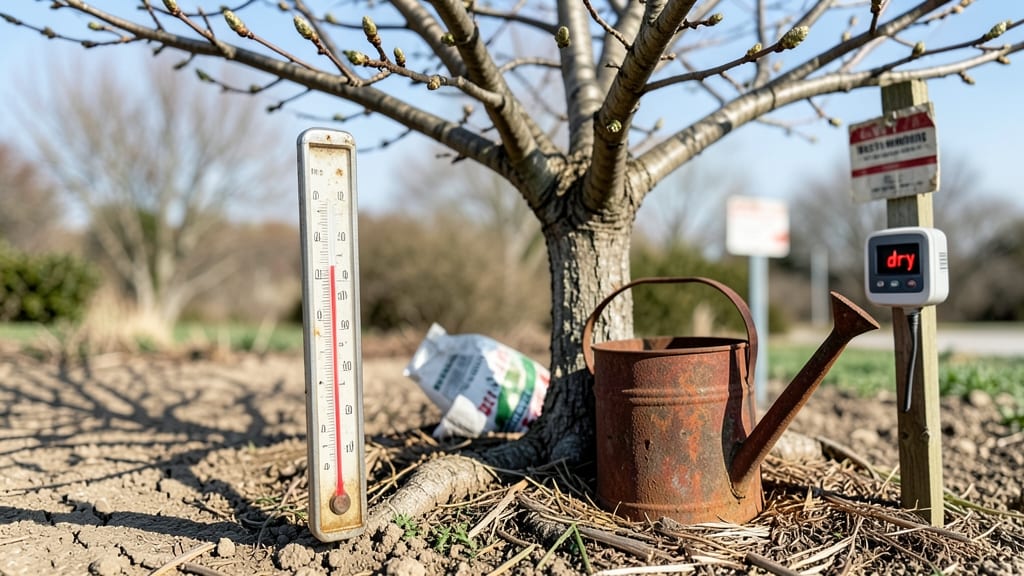
Maple trees not leafing out can feel like a slow-motion heartbreak—especially when you’ve waited all winter for those signature spring colors. 🌿 I’ve seen this happen after harsh winters, and the good news?
Most cases aren’t permanent. The key is acting fast to rule out frost damage, nutrient issues, or hidden pests before they become bigger problems.
First, check the buds. Healthy buds should swell slightly by late winter, even if leaves haven’t emerged yet. If they’re shriveled or mushy, frost damage is likely. Next, dig into the soil moisture—maples hate soggy roots but also need consistent water during dry spells.
A simple finger test tells you everything you need to know.
With the right care, you’ll see fresh green leaves within 2-4 weeks of intervention. Think of it like jump-starting a car battery—sometimes all it takes is a little attention to get things running again. The worst-case scenario? A delayed but still vibrant spring.
This works for sugar maples, red maples, and silver maples alike. Whether your tree is young or mature, the same principles apply. Let’s get those branches back in action!
Root Causes Behind Bare Branches
When your maple trees refuse to leaf out, it’s often a sign that something fundamental is disrupting their growth cycle. Understanding the why behind this issue is the first step toward revival. Below, we break down the most common culprits—from environmental stressors to biological setbacks—with clear explanations and actionable insights.
Maple trees are temperature-sensitive and rely on consistent warmth to break dormancy. If spring arrives with unpredictable cold snaps (like late frosts or fluctuating temps), the tree’s metabolic processes stall. Here’s how it works:
- Chilling Requirements: Most maple species (like acer rubrum or acer saccharum) need a period of winter chill hours (below 45°F/7°C) to signal dormancy release. Too few or too many hours can confuse the tree.
- Heat Shock Delay: Sudden warmth after prolonged cold (e.g., a 60°F/15°C spike followed by a 32°F/0°C dip) can damage buds before they open. This is especially critical for sugar maples, which are prone to bud freeze.
- Solution:
- Monitor local USDA Plant Hardiness Zone forecasts and protect young trees with burlap wraps during late frosts.
- Apply anti-desiccant sprays (like Wilt-Pruf) to buds in early spring to reduce moisture loss during temperature swings.
Even if the tree looks healthy, hidden bud damage from disease, insects, or physical trauma can prevent leafing. Common offenders include:
| Cause | Signs | Action Steps |
|---|---|---|
| Anthracnose Fungus (Elsinoe veneta) |
|
|
| Scale Insects or Spider Mites |
|
|
| Physical Injury (e.g., lawnmower, frost crack) |
|
|
Maples are mesophytes—they thrive in moderately moist soil. Extreme drought or waterlogging can starve roots of the nutrients needed to push new growth. Key triggers:
- Drought Stress: Roots shrink in dry soil, reducing xylem pressure needed to transport water to buds. This is common in sandy or clay-heavy soils.
- Compacted Soil: Poor aeration asphyxiates roots, limiting nutrient uptake. Test soil with a screwdriver—if it resists past 2", drainage is likely poor.
- Solution:
- Water deeply 2–3 times/week during bud swell (aim for 1–1.5 inches/week). Use drip irrigation to avoid wetting foliage.
- Amend soil with compost or gypsum (for clay) or peat moss (for sand). Aim for a 6.0–7.0 pH.
- Mulch with 3–4 inches of wood chips to retain moisture and regulate soil temp.
Exposure to salt, herbicides, or air pollution can chemically disrupt a tree’s hormonal balance, preventing leaf-out. Common sources:
- Road Salt: Sodium chloride burns root tips and alters soil osmosis, making it harder for trees near driveways to absorb water.
- Herbicide Drift: Glyphosate (e.g., Roundup) can systemically poison maples if sprayed on adjacent weeds. Even residual soil herbicides from last year can linger.
- Air Pollution: Ozone or sulfur dioxide (from factories/traffic) clogs stomata, reducing photosynthesis and bud viability.
- Solution:
- Flush salt-affected soil with water + chelated iron (follow package rates).
- Test soil for herbicide residues (kit from LaMotte) and replant with barley straw mulch to break down chemicals.
- Install a tree guard to shield from pollution sources.
Maples are heavy feeders and require specific nutrients to produce leaves. Deficiencies often go unnoticed until it’s too late. Watch for these red flags:
| Nutrient | Deficiency Signs | Fix It |
|---|---|---|
| Nitrogen (N) | Yellowing older leaves (but buds still form). | Apply slow-release fertilizer (e.g., 10-10-10) in early spring. |
| Potassium (K) | Weak, scorched leaf edges; buds fail
Revive Your Maple Tree NowWhen your maple tree refuses to leaf out, the good news is that many causes have quick, practical fixes—especially if you act early. Below, we’ve mapped the most common culprits to step-by-step solutions, plus pro tips to keep your tree thriving long-term. No green thumb required! If your tree looks dormant but buds are still firm (not mushy), it’s likely just waiting for warmer temps. How to Help It Wake Up Faster✅ 🔥 Warm Up the Soil – Cover the root zone with black plastic mulch or a thick layer of straw to absorb sunlight and raise soil temps by 5–10°F. Remove it once leaves emerge to avoid overheating. ✅ 💦 Hydrate Gently – Water deeply (1–2 inches) once a week if the ground is dry. Cold soil struggles to absorb moisture, so slow-release irrigation (like soaker hoses) works best. ✅ 🌡️ Protect Buds from Late Frost – If frost is forecasted, drape frost cloth or old bedsheets over the tree at dusk. Secure with stakes to avoid wind damage. 💡 Pro Tip: If your tree is in a low-lying area, consider mounding soil around the base (6–12 inches high) to improve drainage and warmth. If the soil feels soggy or roots are in standing water, your tree may be suffocating. How to Drain & Revive✅ 🔧 Check Drainage – Dig a small hole (6 inches deep) near the tree. If water pools after 30 minutes, your tree needs better drainage. ✅ 🏗️ Amend the Soil – Mix in compost or sand (50/50 ratio) to loosen compacted soil. For clay-heavy areas, gypsum (follow package rates) can help. ✅ 🚰 Redirect Water – If your yard slopes toward the tree, create a swale (a shallow trench) to divert water away from the roots. ⚠️ Warning: Overwatering in cold weather can drown roots. Let the top 2 inches of soil dry out between waterings. If you spot holes, sawdust-like frass, or oozing sap, pests or disease may be blocking growth. How to Treat & Prevent✅ 🔍 Identify the Problem – Common culprits:
✅ 🛡️ Apply Targeted Solutions
✅ 🌿 Strengthen Defenses – Apply a balanced fertilizer (10-10-10) in early spring to boost immunity. Avoid high-nitrogen fertilizers—they encourage soft growth that pests love. 💡 Pro Tip: Prune in late winter (before buds swell) to remove dead wood and improve airflow, reducing fungal risks. If your tree is in deep shade or a windy spot, it may struggle to leaf out. How to Optimize Its Environment✅ 🌿 Thin Nearby Trees/Shrubs – Remove competing plants within 15–20 feet of your maple to ensure it gets at least 6 hours of sunlight daily. ✅ 🏡 Adjust Plantings – If possible, transplant the tree to a sunnier spot (best done in early spring or fall). ✅ 💨 Shield from Wind – Plant a windbreak (like evergreens or a fence) on the north or west side to reduce stress. 🎯 Long-Term Tip: Maple trees thrive in full sun to partial shade. If relocation isn’t an option, mulch heavily (3–4 inches) to retain warmth. If the bark is cracked, roots are exposed, or the tree leans unnaturally, structural damage may be blocking nutrient flow. How to Stabilize & Heal✅ 🔨 Repair Physical Damage –
✅ 🌱 Support Weak Structures – If the tree is leaning, stake it temporarily (use soft ties and wide boards to avoid girdling). ✅ 🛠️ Call a Pro – For deep splits or rot, consult an arborist to assess if the tree is salvageable. ✨ Prevention: Avoid soil compaction near the trunk—walk around the tree instead of near it. Even after revival, consistent care ensures your maple stays healthy:
🎉 Ready to See Leaves? Most maples recover within 2–4 weeks with the right care. If your tree still refuses to bud after 6 weeks of warm weather, it may need a deeper evaluation—don’t hesitate to consult a local arborist for a second opinion. Your tree’s comeback is closer than you think! 🌿🍁 Frequently asked questions
1
Why are my maple buds swollen but not opening?Swollen buds that refuse to open usually indicate late frost damage or bud freeze. Sugar maples are especially sensitive to rapid temperature swings—when buds swell with warmth but hit 28°F (-2°C) or lower, they can't complete the opening process. Check for brown or mushy buds (sign of frost damage) or sticky residue (possible insect activity).
2
How long should I wait before worrying about my bare maple?Give your maple 4-6 weeks after consistent 50°F (10°C)+ temperatures before getting concerned. Young trees or those in Zone 5 or colder may need longer. If buds show no signs of swelling after this period, check for root suffocation (waterlogged soil) or nutrient deficiencies (yellowing leaves).
3
Can I force my maple to leaf out with fertilizer?Not directly—fertilizer won't replace proper dormancy conditions. However, a balanced 10-10-10 fertilizer in early spring can help boost root health once buds show signs of life. Avoid high-nitrogen fertilizers (30-0-0) which can burn tender new growth. Focus first on soil moisture and temperature stabilization.
4
What's the difference between bud freeze and anthracnose?Bud freeze causes brown, shriveled buds that crumble when touched, while anthracnose creates black, sunken lesions on buds/twigs that may ooze sap. Check for premature bud drop (anthracnose) vs. buds that never swell (freeze). Anthracnose often appears in wet springs, while freeze damage follows unpredictable temperature swings.
5
Will my maple ever recover if it's been bare for 2 years?It's possible but unlikely without intervention. Chronic issues like root rot or severe pest infestations may have killed vital tissue. Start by pruning dead branches (cut 6 inches below damage) and testing soil for pH/nutrients. If the tree shows any green growth after treatment, it may recover—otherwise, consult an arborist about replacement options. |