
Pests and Diseases
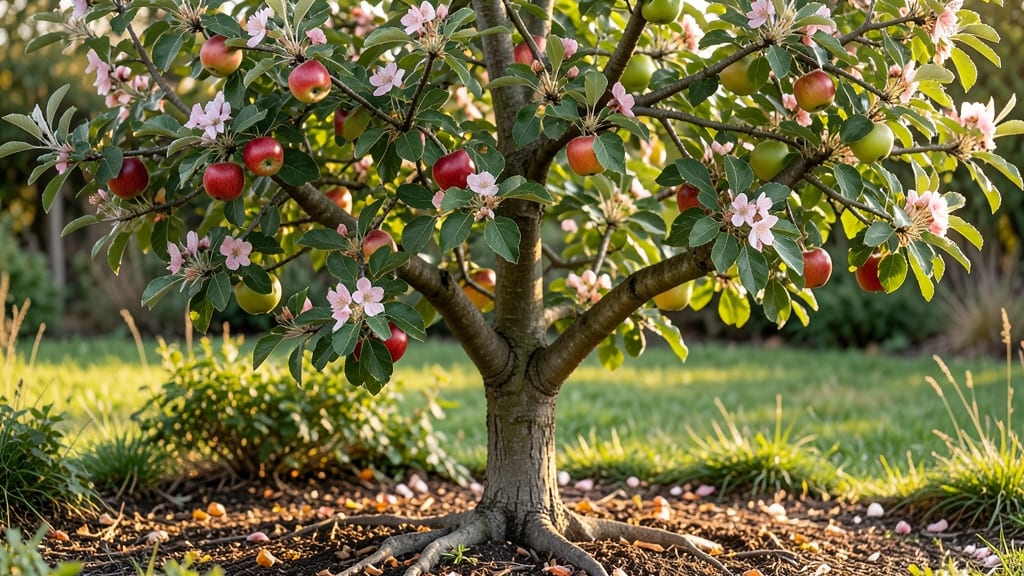
When your Malus domestica leaf starts showing those unsightly spots or wilting edges, it’s time for a game-changer. 🌿 I’ve saved my apple trees from aphid invasions and fungal nightmares using a simple, all-natural spray made from kitchen scraps and garden staples—no harsh chemicals needed.
The secret lies in a blend of garlic, neem oil, and a dash of mild soap that pests can’t stand. Unlike store-bought sprays, this mix targets the problem without harming bees or your soil.
One spray session can stop aphids in their tracks and prevent apple scab from taking hold before it ruins your harvest. What you’ll end up with is lush, healthy foliage that stays vibrant all season. The trees fruit better, the leaves stay disease-free, and you avoid the dreaded chemical residue.
Best of all, it’s a 5-minute solution that works for years. Perfect for organic gardeners, small-scale orchards, or anyone tired of chemical sprays. Let’s get those leaves looking their best again!
📚 In This Guide
- What you need
- Instructions
- Tips and common mistakes
- Wrapping up and next steps
What you need
- ● Fresh or dried Malus domestica leaves: 1–2 cups (fresh) or ½ cup (dried) per quart of water
- ● Note: Avoid leaves treated with pesticides—organic is key!
- ● Distilled or boiled water: 1 gallon (for large batches) or 1 quart (small batches)
- ● Large pot or saucepan: Stainless steel or enamel (avoid aluminum)
- ● Fine-mesh strainer or cheesecloth: For filtering leaf debris
- ● Spray bottle or garden sprayer: 1–2 quart capacity (for small gardens)
- ● 5–10 gallon capacity (for larger areas)
- ○ Optional preservative (for shelf life): 1 tsp vodka or rubbing alcohol (70%+) per quart (extends spray life to ~2 weeks)
- ○ Gloves (optional): Protect hands if leaves are prickly or you have sensitive skin.
- ● Eye protection: Wear goggles when handling large batches to avoid splashes.
- ● Test spray: Always test on a small plant area first to check for sensitivity.
- ● Storage: Keep in a cool, dark place (or fridge) to preserve potency.
Step-by-step instructions for making Malus domestica leaf spray
Here's how to create a powerful organic pest repellent using apple leaves—nature's own bug deterrent!
🌿 Step 1: Harvest and Prepare Fresh Leaves
Collect 1 cup fresh, organic apple leaves from disease-free trees in late spring or early summer when their natural pest-repelling compounds are strongest. Avoid leaves with holes or spots—those won't work as well. Rinse them gently under cool water to remove dirt, then pat completely dry with a clean towel. The drier the leaves, the better they'll infuse into your spray.
Here's the thing—you want leaves that smell fresh and crisp, not wilted or moldy. If they feel soft or discolored, skip them. The active compounds that deter pests are most concentrated in healthy, vibrant foliage. I like to harvest on a sunny morning when the leaves are fully hydrated after dew evaporation.
💧 Step 2: Create the Leaf Infusion
Place the dry leaves in a clean 1-quart mason jar and pour in 2 cups boiling water over them. Cover immediately with a lid or cloth to trap the steam and heat. Let the mixture steep for 24 hours at room temperature—this is where the magic happens as the pest-repelling compounds leach into the water.
Don't skip the full 24 hours. I know it's tempting to use it sooner, but the longer infusion period extracts more of those beneficial compounds. You'll notice the water turns a pale golden color—this is your visual cue that the infusion is working. If you're short on time, a minimum of 12 hours will still work, but effectiveness will be slightly reduced.
✂️ Step 3: Strain and Dilute for Application
After steeping, strain the liquid through a fine-mesh sieve or cheesecloth into a clean spray bottle. Press the leaves gently to extract every last drop—you should get about 1½ cups of liquid. Discard the used leaves. For best results, dilute the concentrated infusion by mixing 1 part infusion with 1 part water in your spray bottle.
This dilution ensures you get even coverage without over-saturating plant foliage. You'll want to use this spray within 3-5 days for maximum effectiveness. The diluted spray should have a mild apple scent—if it smells strong or medicinal, you may have used too much concentrated infusion. Store any unused spray in the refrigerator to extend its shelf life.
🌱 Step 4: Apply to Plants and Monitor
Spray the diluted solution directly onto affected plants, focusing on the undersides of leaves where many pests hide. Apply in the early morning or late afternoon to avoid burning leaves in direct sunlight. Reapply every 7-10 days or after rain. You'll notice pests like aphids, mites, and caterpillars start avoiding treated plants within 24-48 hours.
Don't expect instant results—this is a natural remedy, not chemical warfare. The key is consistency. I've found that combining this spray with neem oil creates a powerhouse pest control duo. Always do a spot test on a small area first to ensure your plants tolerate the spray without any adverse reactions. If you see any yellowing or wilting, dilute the spray further with more water.
☀️ Step 5: Maintain and Refresh Your Spray
To keep your spray effective, make a fresh batch every 2 weeks or whenever you notice pest activity returning. Store your spray in a cool, dark place between uses. The freshness of the leaves is crucial—older leaves lose their potency. I like to keep a small batch in the fridge and make fresh batches weekly to ensure maximum effectiveness.
Real talk: this spray works best as a preventive measure rather than a cure-all. The compounds in apple leaves repel pests before they become a major problem. You'll know it's working when you see fewer pests and healthier-looking plants. For stubborn infestations, combine this spray with other organic methods like companion planting or introducing beneficial insects to your garden ecosystem.
Tips & tricks for perfect Malus domestica leaf spray
Here's what nobody tells you about maximizing this garden game-changer!
Leaf Selection is Everything: Focus on young, vibrant leaves from the lower branches of your apple tree—they contain the highest concentration of pest-repelling compounds. Avoid leaves with any yellowing or damage, as these won't be as effective. I've found that leaves from organic trees (never treated with pesticides) work best, as chemical residues can interfere with the natural compounds. Harvest on a dry morning after dew has evaporated for maximum potency.
Infusion Time Matters: The full 24-hour infusion time is crucial for extracting all beneficial compounds, but here's the secret: place your mason jar in a warm spot (like near a sunny window) to speed up the process slightly without sacrificing effectiveness. You'll know it's working when the water turns that beautiful pale golden color. If you're really short on time, the minimum 12-hour infusion will still work, though you might need to apply it more frequently.
Storage Hack: For maximum freshness, store your diluted spray in a clean glass spray bottle in the refrigerator. The cool temperature helps preserve the active compounds longer. I like to keep a small batch in the fridge at all times and make fresh batches weekly to ensure peak effectiveness. If you notice any cloudiness or strong odors developing, it's time to make a fresh batch—this indicates the compounds are breaking down.
Combine for Super Results: While the apple leaf spray works beautifully on its own, I've found that combining it with neem oil creates a powerhouse pest control duo. Mix equal parts of both solutions for enhanced effectiveness against tough pests. Always do a spot test first, though—some plants can be sensitive to both ingredients together. This combo works particularly well against aphids, mites, and early-stage caterpillar infestations.
Pro Tips for Malus Domestica Leaf
- Here's what nobody tells you about maximizing this garden game-changer!
- Leaf Selection is Everything: Focus on young, vibrant leaves from the lower branches of your apple tree—they contain the highest concentration of pest-repelling compounds.
- You'll know it's working when the water turns that beautiful pale golden color.
Frequently asked questions
Got questions about using Malus domestica (apple tree) leaves for pest control? Here are some common ones—and their answers!
Can I use apple leaves from any apple tree?
Yes, but avoid leaves from trees treated with pesticides or fungicides. Organic, untreated leaves work best. If you’re unsure, source them from a trusted organic orchard or grow your own!
How long do apple leaf sprays last?
Homemade sprays typically last 1–2 weeks when refrigerated. For longer shelf life, add a few drops of vodka or lemon juice (natural preservatives). Reapply after rain or every 7–10 days for best results.
Will this spray harm beneficial insects like bees?
Apple leaf sprays are generally bee-safe when applied evening or early morning (when bees are less active). Avoid spraying flowers directly, and always test a small area first to confirm safety.
What if my apple leaves are yellow or diseased?
Never use yellowed, spotted, or moldy leaves—they can spread pathogens. Stick to healthy, green leaves only. If your tree has issues, treat it first with organic remedies before harvesting leaves.
Are there alternatives if I don’t have apple leaves?
Try neem oil, garlic spray, or soap spray (1 tsp mild soap + 1 quart water). Other pest-repelling plants like tansy, wormwood, or mint also work well in homemade sprays.
Still unsure? Drop your question below—we’re happy to help!
Wrapping up and next steps
Discovering the power of Malus domestica (apple tree) leaves as a natural pest repellent is a game-changer for organic gardeners! 🌿 These leaves offer a non-toxic, eco-friendly alternative to harsh chemicals, keeping your garden thriving without harming beneficial insects or the environment.
Whether you're dealing with aphids, mites, or other common pests, this simple spray is your go-to solution.
Ready to give it a try? Start by harvesting those apple leaves and transforming them into a potent, homemade remedy. Your garden—and the planet—will thank you! 🌱✨